
Plants
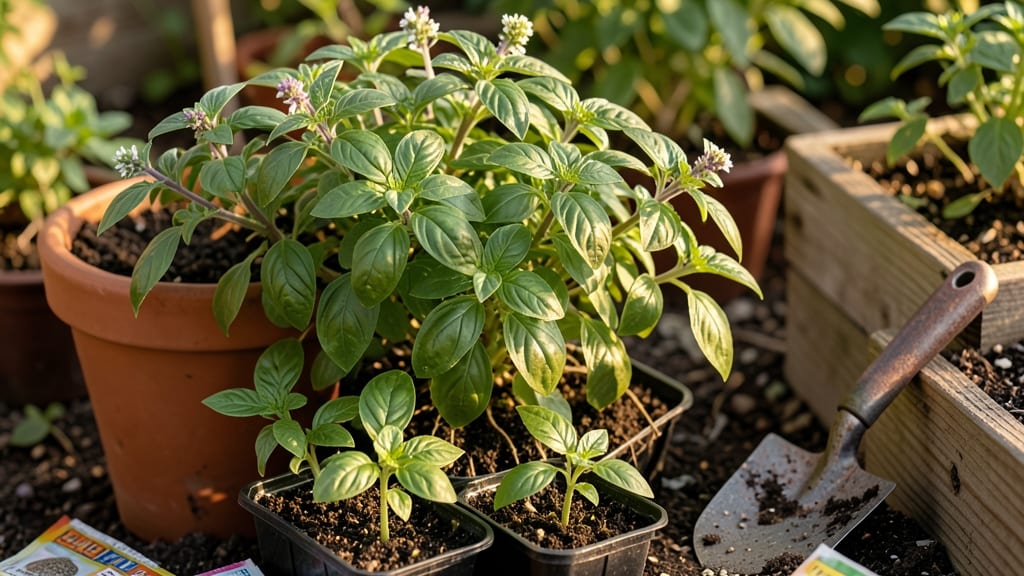
Seattle’s frost-free deadline for planting basil: exact dates & microclimate adjustments
Seattle’s USDA Zone 8a climate means your basil planting window hinges on the last frost date, typically around April 15. However, microclimates—like urban heat islands or sheltered garden spots—can shift this by 1-2 weeks. Always check your local frost-free date for precision.
For indoor seed starting, begin 6-8 weeks before your last frost date (early March). This gives seedlings a head start, ensuring they’re 4-6 inches tall and ready for transplanting by late April. Outdoor planting should wait until soil warms to at least 50°F.
Seattle’s rainy springs can delay soil warming, so monitor temperatures closely. A soil thermometer is your best tool—basil roots struggle in cold, wet soil. If frost threatens after planting, cover seedlings with frost cloth or a row cover.
Here’s how Seattle’s microclimates affect planting:
| Microclimate | Last Frost Date | Planting Window | Notes |
|---|---|---|---|
| Urban Heat Islands | April 5-10 | Late March-Early April | Warmer microclimates near buildings |
| Open Fields | April 15-20 | Mid-April | Standard frost-free dates |
| Sheltered Gardens | April 20-25 | Late April | Frost pockets delay planting |
If you miss the spring window, don’t despair—basil thrives in containers, letting you plant as late as June 1 for a fall harvest. Just ensure your pots have drainage holes and use a lightweight potting mix to prevent root rot in Seattle’s damp air.
For transplanting seedlings, choose a cloudy day to reduce stress. Harden off seedlings by gradually exposing them to outdoor conditions over 7-10 days. This toughens them up for Seattle’s variable spring weather, including sudden cold snaps.
Pro tip: Plant basil near tomatoes to deter pests and improve flavor. The tomato-basil duo is a classic combo, but avoid planting basil near rue or fennel, which stunt its growth. Companion planting can also shield basil from Seattle’s wind, which can stress young plants.
After transplanting, mulch with straw or shredded leaves to retain moisture and regulate soil temperature. This is especially critical in Seattle’s cool, wet springs, where basil can suffer from root rot if soil stays too damp.
Monitor your basil’s progress by checking for 4-6 pairs of leaves—this signals readiness for harvesting. In Seattle, you’ll likely harvest from June through September, with peak flavor in July and August when days are longest.
🌱
Best heat-tolerant basil varieties for Seattle’s humid summers: Genovese vs. Thai vs. purple basil
Seattle’s humid summers can turn basil into a finicky plant, but the right variety makes all the difference. Heat-tolerant types like Genovese and Thai basil thrive in our damp climate, while purple basil adds visual flair while staying resilient.
Each variety has unique care needs to prevent bolting and ensure flavorful harvests.
I’ve grown all three in my Seattle garden, and Genovese remains my top pick for its classic flavor and adaptability. However, Thai basil packs a spicy kick that pairs perfectly with summer dishes, while purple basil adds a striking contrast to salads.
Let’s break down which works best for your space and goals.
🌿 Basil Variety Comparison
| Variety | Heat Tolerance | Flavor Profile | Best For | Care Tips |
|---|---|---|---|---|
| Genovese | High | Sweet, peppery | Pesto, salads | Prune regularly to prevent bolting |
| Thai Basil | Very High | Anise, spicy | Asian dishes, soups | Needs excellent drainage |
| Purple Basil | Moderate | Mild, slightly sweet | Garnishes, decorative | More drought-tolerant than green types |
For Genovese basil, I always pinch off the top sets of leaves to encourage bushier growth and delay flowering.
This variety handles Seattle’s humidity well but can bolt quickly if stressed. Thai basil, on the other hand, loves the heat and even thrives in partial shade during our hottest afternoons. Its licorice-like flavor makes it perfect for Thai-inspired dishes.
If you’re growing purple basil, you’ll love how it adds color to your garden while being slightly more drought-resistant. It’s ideal for container gardening and pairs beautifully with tomatoes. However, it’s less flavorful than Genovese, so I recommend using it more for aesthetics than cooking.
To prevent bolting—when basil flowers prematurely—keep plants well-watered and in partial afternoon shade during July and August. A light mulch also helps maintain even soil moisture, which is critical in Seattle’s inconsistent summer rains.
For maximum flavor, harvest leaves in the morning after the dew has dried. Avoid cutting more than one-third of the plant at once, or you’ll shock the basil and trigger early flowering.
With the right variety and care, you’ll enjoy fresh basil from June through September—or even later with a few protective hacks.