
Plants
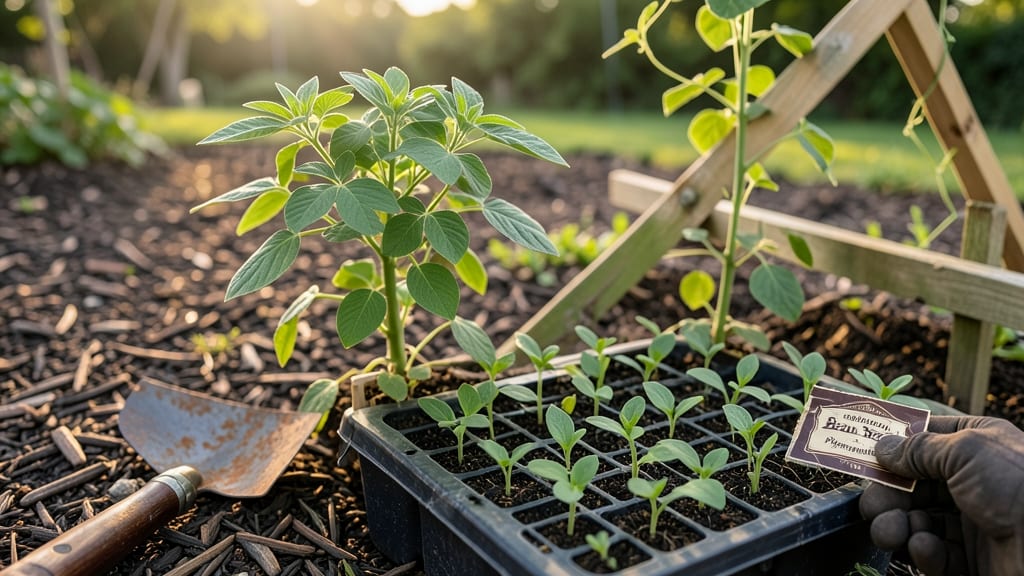
Timing your bean planting in Seattle isn’t just about the calendar—it’s about beating the unpredictable Puget Sound weather that can turn your garden dreams into soggy disappointment.
With USDA Zone 8a conditions and microclimates ranging from cool coastal areas to warmer urban heat islands, knowing the exact window for pole beans, bush beans, and cold-hardy varieties makes all the difference.
Most gardeners in Seattle wait until after the last frost date (March 15), but that’s just the starting line. The real secret lies in soil temperatures—beans need 60°F+ to germinate—and adjusting for your neighborhood’s unique conditions.
Whether you’re in West Seattle’s damp shadows or the Eastside’s sunbaked patches, planting too early risks rot, while waiting too long cuts your harvest short.
Here’s what you need to know: April 15–May 31 is your prime window for direct sowing, but with succession planting, you can stretch fresh pods from July through September.
I’ll break down the microclimate-specific schedules, cold-tolerant varieties, and protective tricks to turn Seattle’s short growing season into a bean bonanza.
Ready to grow beans that thrive despite the rain? Let’s dive into the localized planting strategies that’ll have you picking crisp, homegrown pods all summer long—no guesswork required.
Seattle’s bean planting calendar by microclimate: coastal vs. inland timelines
Seattle’s diverse microclimates mean your bean planting schedule should change depending on whether you’re in West Seattle’s coastal fog belt, the Eastside’s warmer inland zones, or an urban heat island.
The average last frost date hovers around March 15, but coastal areas can stay chilly weeks longer. For reliable harvests, time your plantings to align with soil temperatures above 60°F—critical for germination.
Pole beans like 'Contender' and bush beans like 'Blue Lake' thrive in Seattle, but their planting windows differ. West Seattle gardeners should wait until late April to early May due to slower soil warming, while Eastside growers can start as early as mid-April.
Urban areas with pavement heat may even see 1–2 weeks earlier planting success. Always check your local USDA Zone 8a adjustments for precision.
Here’s how to match your location to the ideal planting window:
For pole beans, which need trellises, plan to install supports at planting time—they grow 6–8 feet tall and require sturdy stakes or netting. Bush beans, like 'Blue Lake', stay compact (2–3 feet) and don’t need trellising, making them ideal for containers or small spaces.
Always direct-sow seeds in Seattle; beans hate transplanting and bolt quickly when stressed.
Pro tip: Use a soil thermometer to confirm readiness. Coastal areas often need 2–3 weeks longer than inland zones to reach the 60°F threshold. If your soil is still cold by mid-May, opt for cold-tolerant varieties like 'Tendergreen' or use black plastic mulch to warm the soil faster.
Seattle’s short growing season (about 180 frost-free days) demands efficiency. Stagger plantings every 2–3 weeks from April through June to ensure a continuous harvest until early fall. This works especially well for bush beans, which mature in 50–60 days.
Pole beans take slightly longer (60–75 days), so plant them 3–4 weeks earlier for a head start.
Watch for false springs—those warm spells in March that trick you into planting early. A late frost can wipe out seedlings overnight. Use row covers or plant near heat-retaining structures (like south-facing fences) to buffer against chilly nights.
In West Seattle’s foggy mornings, even a 40°F night can stunt growth.
For fall plantings, aim for late July to early August to harvest before the first frost (November 15). Choose cold-hardy varieties like 'Tendergreen' or 'Wax Pole', which can tolerate light frosts if pods are harvested before damage occurs.
Succession planting in containers is a great way to extend your season—just ensure pots have drainage holes to prevent root rot.
Remember: Seattle’s humidity and rainy springs create ideal conditions for fungal diseases like rust. Space plants 18–24 inches apart for airflow, and avoid overhead watering. A mulch layer (straw or shredded leaves) helps keep soil moist and suppresses weeds—critical in Seattle’s acidic, clay-heavy soil.
How to extend your bean season in Seattle: succession planting and cold-tolerant varieties
Seattle’s short growing season (just 180 frost-free days) makes every week count for bean lovers. The key to 3+ harvests per year? Succession planting—staggering your plantings every 2–3 weeks to keep fresh pods on the table from July through September.
This works especially well for bush beans like 'Blue Lake' and pole beans like 'Contender', which mature quickly (50–75 days).
Start your first planting right after your last frost date (typically mid-April for most of Seattle). Then, repeat plantings every 2 weeks until late June.
For a fall harvest, try cold-tolerant varieties like 'Tendergreen' or 'Wax Bean'—these can handle light frosts (down to 28°F) and even thrive in cooler September temps. Just plant them 8–10 weeks before your first frost (around early August).
🌱Pro Tip: Use row covers or cold frames to protect early or late plantings. Even a lightweight frost blanket can extend your season by 2–3 weeks in both spring and fall. This is especially useful in West Seattle, where cooler coastal air lingers longer.
- Succession Planting: Sow seeds every 2 weeks from April–June for continuous harvests.
- Cold-Tolerant Varieties: Choose 'Tendergreen' or 'Wax Bean' for fall plantings (August).
- Protective Gear: Use row covers to shield plants from late frosts or chilly nights.
Don’t overlook raised beds—they warm up faster in spring and stay warmer in fall, giving you a 10–14 day head start on planting. Fill them with well-draining soil mixed with compost to ensure your beans thrive.
If you’re in the Eastside (like Bellevue or Kirkland), where summers are warmer, you can even squeeze in a late-summer planting of heat-tolerant varieties like 'Romano' or 'Kentucky Wonder' in early July.
For urban gardeners with limited space, consider container growing. Pole beans like 'Blue Lake' can climb a 5-foot trellis in a large pot, while bush beans like 'Provider' stay compact. Just ensure your containers have drainage holes and are placed in full sun.
Water consistently—containers dry out faster—and fertilize lightly with a balanced 10-10-10 mix when flowers appear to boost pod production.
💡Remember: Always monitor your local soil temperature—beans need it to stay above 60°F to germinate. Use a soil thermometer if you’re unsure. If temps drop below 50°F, delay planting until conditions improve.
With these strategies, you’ll turn Seattle’s unpredictable climate into an advantage and enjoy fresh beans for months instead of weeks!