
Plants
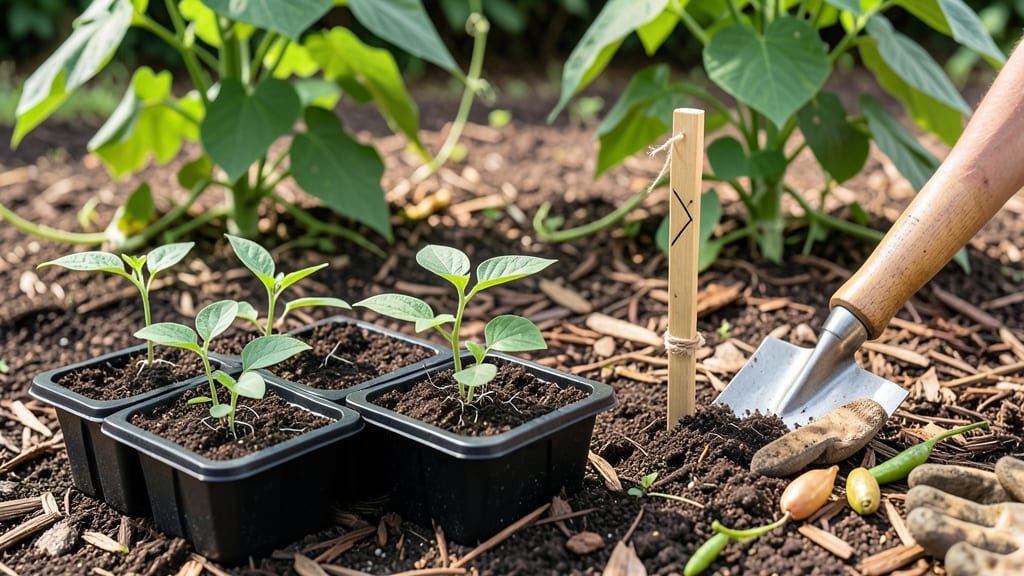
Timing your Beans planting in Zone 5 could mean the difference between a garden full of fast-growing pods and a season of disappointment. The key isn't just waiting for spring—it's knowing exactly when soil warmth and frost-free days align for those first eager sprouts.
Most gardeners in Zone 5 rush to plant as soon as the calendar hits May, but that's often too early. Your 🌱 beans need soil temperatures above 50°F to germinate properly, and a late frost can still sneak in before mid-May.
The sweet spot? Aim for 2-3 weeks after your area's average last frost date—typically late April to early June.
Why does this matter? Because beans are sensitive little things—they won't tolerate cold soil, and planting too soon just wastes seeds. But get it right, and you'll enjoy fresh, tender pods from July through September.
I'll show you how to calculate your exact planting window and avoid the most common mistakes that leave gardeners scratching their heads.
Ready to turn your garden into a bean bonanza? Let's dive into the precise timing, soil prep, and care tips that'll have your plants thriving—and your table stocked with homegrown goodness all summer long.
Exact weeks before last frost for planting beans in Zone 5
Timing is everything when planting beans in Zone 5, where last frost dates can vary by 1-2 weeks between northern and southern regions.
For most of Zone 5, aim to plant 2-3 weeks after your average last frost date—typically late April to early June—to ensure soil temperatures stay above 60°F (15°C) for fast germination.
Beans are warm-season crops that won’t tolerate cold soil, so rushing the process can leave you with slow or failed sprouts.
In northern Zone 5 (e.g., Chicago, Detroit), wait until mid-May, while southern areas (e.g., St. Louis, Cincinnati) can start as early as late April. Always check your local frost dates for precision.
Here’s the key: Soil temperature matters more than air temperature. Use a soil thermometer to confirm 60°F (15°C) at 2-inch depth.
If it’s cooler, your seeds may rot in the ground instead of sprouting. Pole beans and bush beans both thrive in these conditions, but pole beans need a longer growing season (90+ days), so plant them 1-2 weeks earlier than bush varieties.
| Stage | Action | Notes |
|---|---|---|
| Soil Prep | Test pH (6.0-7.0), add compost | Beans fix nitrogen—no need for heavy fertilizer |
| Planting Window | 2-3 weeks after last frost | Late April (south) to early June (north) |
| Seed Depth | 1 inch deep, 2-3 inches apart | Thin seedlings to 4-6 inches apart |
| Germination | 5-10 days at 60°F+ soil | Keep soil moist but not soggy |
| First Harvest | 50-60 days after planting | Pick pods when 4-6 inches long |
If you’re eager to start earlier, consider container gardening or using black plastic mulch to warm the soil faster. Place containers in full sun and use warm water to soak seeds before planting—this can shave off 2-3 days of germination time.
Just avoid planting before May 1 unless you’re using a greenhouse or row covers.
For succession planting, sow a second batch every 2 weeks through mid-July to extend your harvest. This works especially well for bush beans, which mature faster (50-55 days) than pole beans (60-70 days).
Mark your calendar for July 15 as the last ideal planting date—any later, and fall frosts may cut your season short.
Pro tip: Plant a test row 1 week before your target date to gauge soil warmth. If sprouts emerge within 7 days, the rest of your garden is ready. If not, wait another week. This simple trick saves hours of guesswork and ensures uniform germination across your entire planting.
Remember, Zone 5’s short growing season demands efficiency. By aligning your planting with soil temperature and frost dates, you’ll turn your garden into a bean-producing powerhouse from July to September.
The key is patience—wait for the right moment, and your beans will reward you with plump, flavorful pods all season long.
🌱
Exact weeks before last frost for planting beans in Zone 5
In Zone 5, timing your bean planting is critical—beans hate cold soil and won’t germinate well below 50°F (10°C). The ideal window is 2-4 weeks after your last frost date, which typically falls between late April and early June in most Zone 5 regions.
For faster germination, aim for soil temperatures of at least 60°F (15°C).
Your last frost date is the key reference point. In Zone 5, this usually lands around mid-May, but check your local USDA frost map for precision.
Planting too early risks seed rot from cold, damp soil, while waiting too long may shorten your harvest window before fall frosts arrive in mid-October.
🌱 Bean Planting Timeline for Zone 5
| Stage | Action | Notes |
|---|---|---|
| 2-4 Weeks Before Last Frost | Prepare soil with compost | Add aged manure or balanced fertilizer |
| After Last Frost (Mid-May) | Plant seeds 1" deep, 2-3" apart | Soil temp must be ≥60°F (15°C) |
| 60-75 Days After Planting | Harvest snap beans | Pick pods when 4-6" long |
| Mid-October (First Frost) | Harvest remaining pods | Dry beans for winter storage |
For pole beans, which take longer to mature, plant your first batch 2 weeks after last frost to ensure enough time for vines to climb and produce. Bush beans, which mature faster (50-60 days), can handle a slightly later planting—up to early June—while still yielding before fall frosts.
Pro tip: Use a soil thermometer to confirm temperatures. If your soil stays below 50°F (10°C) for more than a week, wait to plant. Cold soil delays germination and invites fungal diseases like damping-off, which can wipe out seedlings before they sprout.
If you’re eager to start earlier, consider container gardening with heat mats or a cold frame. These tools can raise soil temperatures by 10-15°F (5-8°C), allowing you to plant 3-4 weeks before the traditional window. Just be prepared to move containers indoors if frost threatens.
For a continuous harvest, stagger plantings every 2 weeks from late May through early July. This ensures fresh pods throughout the summer, even as early varieties finish producing. Just remember: beans won’t tolerate frost, so time your last planting to finish harvesting by early September.