
Plants
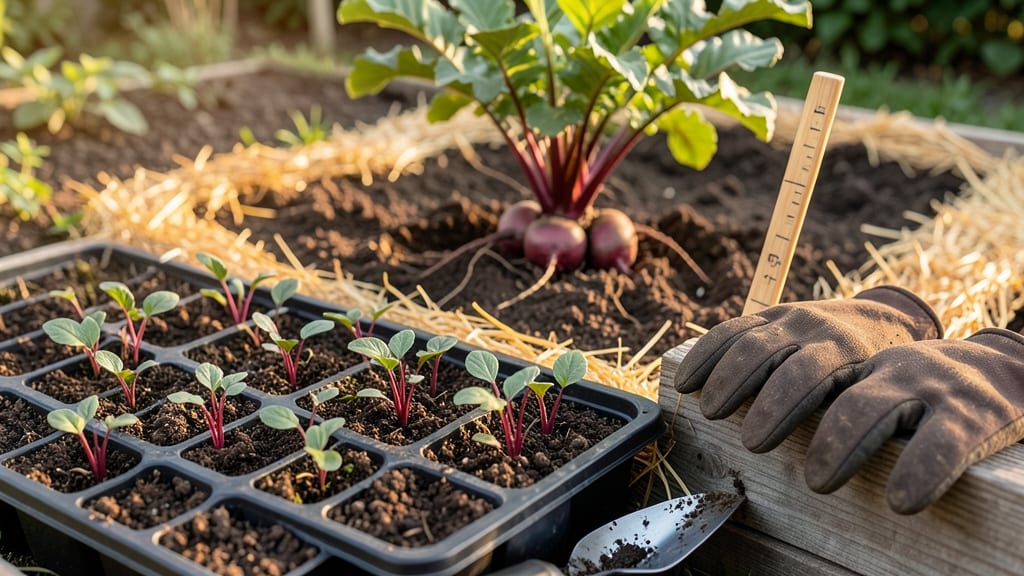
When to plant beets in Arkansas is the key to unlocking sweet, tender harvests before the heat sets in—because timing here isn’t just about luck, it’s about strategy. The 🍠 thrives in cooler weather, but Arkansas’s unpredictable spring and scorching summers demand precision: plant too early, and you’ll face bolting; too late, and you’ll miss your window entirely.
Here’s the secret: Arkansas gardeners in zones 7a-8b have two prime opportunities—early spring (March-April) and late summer (July-August)—to grow beets that actually taste good. Skip the guesswork and learn the exact months to plant for maximum yield, plus how to pick heat-tolerant varieties that won’t wilt under Arkansas’s humidity.
But there’s more to it than just dates. We’ll cover soil prep, spacing tricks to avoid overcrowding, and companion plants that keep pests away—because even the best timing won’t save you from leaf miners or aphids. Let’s get your Arkansas beet patch off to the right start.
Whether you’re a first-time gardener or a seasoned green thumb, these tips will help you grow beets that are crisp, flavorful, and ready to harvest—just in time for your favorite summer dishes. Ready to dig in?
Best planting months for beets in Arkansas (with heat-tolerant variety recommendations)
Arkansas’s USDA zones 7a-8b create a unique challenge for beet growers—hot summers and humid springs demand precise timing. Plant too early, and your beets bolt; too late, and you lose your harvest to scorching heat.
The sweet spot? Early spring and late summer, with the right varieties to handle Arkansas’s climate.
For spring plantings, aim for March to early April when soil temperatures reach 50-55°F. This gives you a 60-day head start before summer heat sets in. Fall plantings should happen in late July to early August for a cool-season harvest before the first frost in November.
Soil temperature is your best friend—use a soil thermometer to confirm it’s at least 50°F before planting. Arkansas’s clay-heavy soils can retain too much moisture, so amend with compost or sand to improve drainage. Well-draining soil prevents rot and encourages sweet, tender roots.
Not all beets handle Arkansas’s heat equally. Heat-tolerant varieties like 'Boltardy', 'Detroit Dark Red', and 'Chioggia' thrive in warmer conditions and resist bolting. These varieties are your best bet for summer plantings or extended spring harvests.
Here’s a month-by-month breakdown of Arkansas’s beet planting windows, including frost risk and ideal varieties for each season:
For spring plantings, start seeds indoors 4-6 weeks before your last frost date (March 15 in most of Arkansas). Transplant seedlings outdoors once soil warms to 50°F and nighttime temperatures stay above 40°F. Fall plantings should be direct-sown in late July for a harvest before frost.
Arkansas’s clay soils can be tricky—amend with compost or aged manure to improve fertility and drainage. Mulch with straw or leaves to retain moisture and suppress weeds. Consistent watering is key, especially during dry spells in spring and summer.
Pro tip: Shade cloth (30-50%) can help protect summer plantings from bolting. Use it during peak afternoon heat (12 PM - 4 PM) to keep soil temperatures cooler. This extends your harvest window by 2-3 weeks in Arkansas’s heat.
Finally, succession planting every 2 weeks ensures a continuous harvest. In Arkansas, this means spring plantings in March and fall plantings in July-August. With the right timing and varieties, you’ll enjoy crisp, sweet beets from May through November!
Best planting months for beets in Arkansas (with heat-tolerant variety recommendations)
Arkansas’s USDA zones 7a-8b mean beets thrive in cool springs and mild falls, but timing is critical. Plant too early, and unpredictable late frosts can damage seedlings; too late, and summer heat causes bolting.
My secret? Stick to March-April for spring and late July-August for fall plantings to align with soil temperatures and Arkansas’s 210 frost-free days.
Soil temperature is your best friend here. Beets germinate best in 50-75°F soil. In Arkansas, this typically means waiting until mid-March for northern regions (like Fayetteville) and early March for southern areas (like Little Rock). Use a soil thermometer to confirm—if it’s below 50°F, wait a week or two.
For Arkansas gardeners, heat-tolerant varieties are a game-changer. Traditional beets struggle in the 90°F+ summers common here. Instead, opt for varieties like 'Boltardy' (resistant to bolting), 'Detroit Dark Red' (sweet and reliable), or 'Chioggia' (stunning striped roots). These varieties can handle short heat spikes better than standard types.
| Planting Window | Soil Temp Requirement | Heat-Tolerant Variety | Frost Risk |
|---|---|---|---|
| Early Spring (March-April) | 50-75°F | Detroit Dark Red | Low (after March 15) |
| Late Summer (July-August) | 60-75°F (cool evenings) | Boltardy | None (harvest before frost) |
| Fall (September-October) | 55-70°F | Chioggia | Moderate (first frost Nov 15) |
Arkansas’s humidity and clay-heavy soils can also impact beet growth. To mitigate these challenges, I always raise beds or amend soil with compost and sand to improve drainage. This prevents root rot and ensures even germination. For container gardening, use well-draining pots with holes to avoid waterlogging.
Pro tip: Sow seeds in succession every 2-3 weeks during your chosen planting window. This staggered approach ensures a continuous harvest and reduces the risk of bolting from heat stress.
For example, if you plant March 1, March 15, and April 1, you’ll have beets ready to harvest from May through July.
Finally, watch for late spring frosts, which can still occur in Arkansas until mid-April. Use frost cloth or row covers for early plantings to protect tender seedlings.
With these strategies, you’ll avoid the common Arkansas beet-growing pitfalls and enjoy a bounty of sweet, crisp roots all season long. 🌱