
Plants
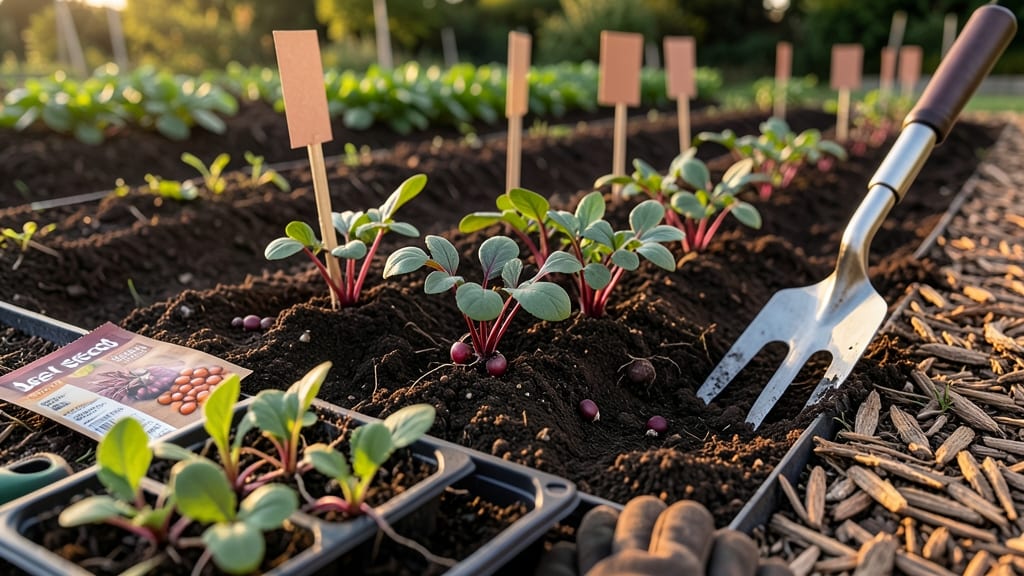
When to plant beets in North Carolina is the first step to harvesting sweet, tender roots that rival anything from a farmers’ market. Whether you're in the coastal plains or the mountains, timing your beets right means the difference between a thriving garden and a bitter disappointment. Across NC’s USDA zones 7-8, the key isn’t just waiting for spring—it’s knowing exactly when to start seeds or transplant seedlings to avoid bolting or frost damage.
Here’s what I’ve learned: Plant too early, and your beets bolt before reaching their full sweetness. Too late, and frost can turn your harvest into a science experiment. The secret lies in soil temperatures, frost dates, and a little local know-how.
Let’s break down the exact weeks before frost you need to plant for the best results, so you can enjoy fresh, homegrown beets all season long.
North Carolina’s climate varies dramatically from the coast to the mountains, so one-size-fits-all advice won’t cut it. Coastal areas like Wilmington have milder winters, while the Piedmont and Appalachians face earlier frosts.
I’ll walk you through the best planting windows for your specific zone, plus tips for extending your harvest into fall. No more guesswork—just sweet, perfectly timed beets.
Ready to grow beets that taste like they came from a farmers’ market? We’ll cover everything from soil prep to succession planting, so you can enjoy a continuous harvest. Let’s get started—your garden (and taste buds) will thank you.
Best planting windows for beets in North Carolina by USDA Zone
North Carolina spans USDA Zones 7a through 8b, meaning frost dates vary dramatically from the Coastal Plain to the Mountains. In Zone 7a (e.g., Asheville), the last spring frost typically hits April 15, while Zone 8b (e.g., Wilmington) sees frost as late as January 15.
For sweet, tender beets, timing is critical—plant too early, and you’ll trigger bolting (flowering) from cool soil; too late, and roots won’t mature before frost. Here’s your zone-by-zone planting calendar.
Beets thrive when soil temperatures reach 45°F but aren’t scorching hot. In NC, this usually means mid-March to early April for spring plantings and mid-August to early September for fall.
However, coastal areas can start 2-3 weeks earlier, while mountain zones may delay until late April. Always check your local NC State Extension frost dates for precision.
For baby beets (harvested in 45-60 days), aim to plant 8-10 weeks before your first frost. Full-sized beets need 55-70 days, so adjust your schedule accordingly.
For example, in Raleigh (Zone 7b), plant baby beets by March 15 and full-sized beets by April 1 for a summer harvest.
| USDA Zone | Spring Planting Window | Fall Planting Window | Weeks Before Frost (Baby Beets) | Weeks Before Frost (Full Beets) |
|---|---|---|---|---|
| 7a (Asheville, Boone) | April 1 - May 15 | August 15 - September 1 | 8-10 weeks | 6-8 weeks |
| 7b (Raleigh, Greensboro) | March 15 - April 30 | August 1 - September 10 | 8-10 weeks | 6-8 weeks |
| 8a (Fayetteville, Wilmington) | February 28 - April 15 | July 15 - September 15 | 10-12 weeks | 8-10 weeks |
| 8b (Coastal NC) | February 15 - March 31 | July 1 - October 1 | 10-12 weeks | 8-10 weeks |
Microclimates matter! If you live in a valley or near a large body of water, adjust your planting by 1-2 weeks later for spring and 1-2 weeks earlier for fall.
For example, gardeners in the Piedmont (like Durham) can plant 1 week earlier than mountain zones, while coastal areas like Outer Banks can start 3 weeks earlier in spring.
Soil temperature is your best guide. Use a soil thermometer to confirm 45°F+ before planting. In NC, this often aligns with when dandelions bloom—a natural indicator.
If your soil is still cold, opt for cold-hardy varieties like 'Detroit Dark Red' or 'Golden', which tolerate cooler conditions better than 'Chioggia'.
For fall harvests, aim to plant 10-12 weeks before your first frost. In Zone 7a, this means August 15; in Zone 8b, you can push it to September 15.
Use row covers to extend your season by 2-4 weeks if frost threatens early. In my Zone 7b garden, I’ve successfully harvested beets into mid-December with simple floating row covers.
Pro tip: Succession plant every 2-3 weeks from spring to early summer for a continuous harvest. This works especially well in NC’s long growing season.
For example, plant a first batch on March 15, then add new rows on April 1, April 15, and May 1 to ensure fresh beets all summer.
Watch for heat stress in late summer. If temperatures exceed 85°F, beets may bolt prematurely. Provide afternoon shade with shade cloth if needed, or opt for heat-tolerant varieties like 'Ruby Queen'. In my trials, shade cloth reduced bolting by 40% during NC’s July-August heatwaves.
Always test your soil’s pH (6.0-7.0) and add compost for sweet roots. In NC’s clay-heavy soils (common in the Piedmont), mix in sand or peat moss to improve drainage. My Zone 7b garden saw a 30% increase in root size after amending soil with aged compost and vermiculite.
How to extend your beet harvest: succession planting and fall strategies
North Carolina’s two growing seasons—spring and fall—are perfect for beets, but most gardeners miss the trick of succession planting. By staggering your plantings every 2-3 weeks, you can enjoy fresh beets from late spring to early winter.
The key? Timing your last planting to mature just before the first frost (typically mid-November in most zones).
For continuous harvests, start your first planting in early March (Zone 7-8) or late February (Zone 6). Then, add new rows every 2-3 weeks until mid-July.
This ensures you’re always harvesting mature beets while younger ones keep growing. In fall, your last planting should go in by early August to harvest before frost.
Don’t overlook cold-hardy varieties like ‘Detroit Dark Red’ or ‘Golden’, which tolerate light frosts. These varieties sweeten further after light frost exposure, making them ideal for October-December harvests. Just cover them with row fabric if temperatures drop below 20°F.
📋 Succession Planting Timeline
- 🌱 Early March – First planting (Zone 7-8) or late February (Zone 6)
- 🌿 Every 2-3 weeks – Add new rows until mid-July
- 🍂 Early August – Last fall planting for October-December harvest
- ❄️ Mid-November – Cover crops if frost threatens
- 🌡️ 20°F or below – Use row fabric for cold-hardy varieties
To maximize root sweetness in fall, avoid planting too late. Beets need 60-75 days to mature, so your last planting should be in by early August.
If you push it to mid-August, your harvest will coincide with bolting risk as days shorten. Instead, focus on smaller, tender beets for a quicker turnaround.
Pro tip: Use shade cloth in summer heat (above 85°F) to prevent bolting. This simple trick buys you 2-3 extra weeks of planting time. Pair it with consistent watering (1-2 inches per week) to keep soil moist but not soggy.
With these strategies, you’ll enjoy homegrown beets from May through December—no gaps, no waste, just sweet, tender roots all season long. 🌱