
Plants
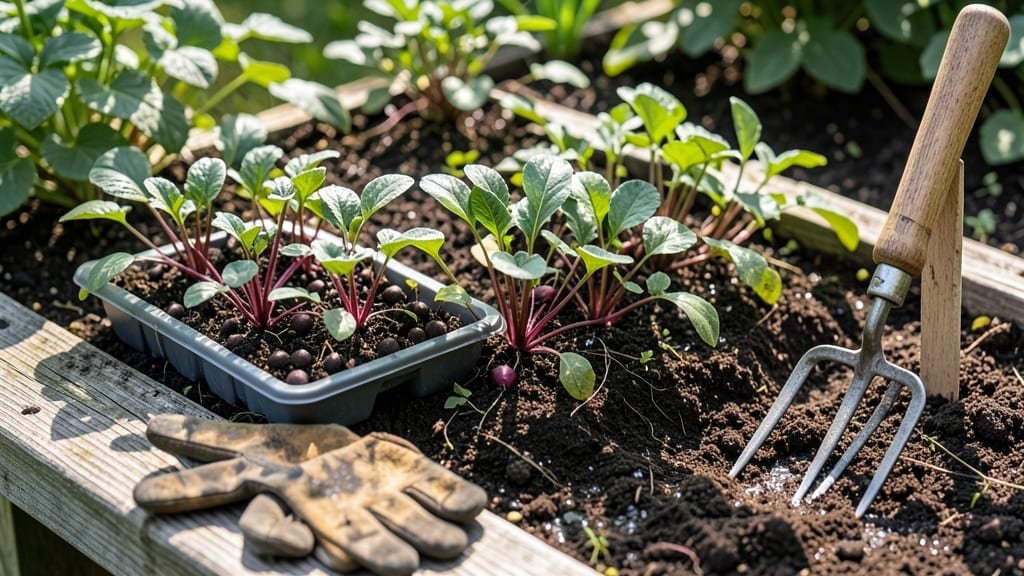
Knowing when to plant beets in South Carolina can mean the difference between a bumper crop of sweet, tender roots and a bitter disappointment.
The 🍠 thrives in the state's mild winters but needs precise timing to avoid bolting or stunted growth—especially in zones 7b-8a where temperatures swing wildly between seasons.
If you've ever watched your beet seedlings bolt into flower or struggle to germinate in hot soil, you're not alone. The key to success lies in planting during South Carolina's two ideal windows: early spring (February-March) and late summer (August-September).
These months align perfectly with soil temperatures and daylight cycles that encourage fast germination and steady growth.
What makes this even more exciting is how fast beets grow when planted at the right time—just 50-75 days to harvest! Whether you're aiming for crisp spring greens or hearty fall roots, I'll show you exactly how to time your plantings for maximum yield and minimal stress on your plants.
Let's dive into the best strategies for your South Carolina garden, including soil prep tips, spacing tricks, and how to handle those pesky summer heat waves that can turn your beets tough. Your perfect harvest starts with the right planting window!
Best planting windows for beets in South Carolina by season
South Carolina’s USDA zones 7b-8a offer a 180-day growing season, perfect for beets—but timing matters. Plant too early, and cold snaps trigger bolting. Too late, and summer heat makes roots woody. My best advice? Stick to two ideal windows: early spring and late summer.
For spring plantings, aim for February to early March when soil temps hit 50°F. This gives roots time to mature before summer heat sets in.
In coastal areas, you can start as early as January thanks to milder winters, while Piedmont gardeners should wait until late February.
Fall plantings work best from mid-August to September. This lets beets establish roots before first frost (around November 15). Avoid planting after September 15, or you’ll risk immature harvests before cold weather arrives.
🌱
| Season | Best Months | Soil Temp | Days to Maturity | Key Tip |
|---|---|---|---|---|
| Spring | February–March | 50–65°F | 50–60 days | Use row covers for early starts |
| Fall | August–September | 60–75°F | 55–70 days | Harvest before first frost |
| Summer (Risky) | June–July | Above 80°F | 70+ days | Use shade cloth (30–50%) |
In coastal SC, where winters are milder, you can push spring plantings to January if you use black plastic mulch to warm soil. For Upstate areas, wait until late March to avoid frost damage. Always check 7-day forecasts before sowing—cold snaps can stall germination.
For succession planting, sow new seeds every 2–3 weeks in spring and 3–4 weeks in fall. This ensures a continuous harvest and prevents overcrowding. I’ve found that Detroit Dark Red and Babybeat varieties handle SC’s heat better than standard types.
🌡️
Pro tip: Test soil temps with a soil thermometer—beets need consistent warmth to germinate. If temps drop below 50°F, germination slows dramatically. In sandy soils (common in coastal SC), water more frequently to maintain moisture, while clay soils (Piedmont) retain water longer.
Finally, remember that beets store well in cool, dark places. Fall-planted beets often last until February if harvested before frost and stored properly. This means you can enjoy homegrown beets year-round with just two planting windows!
Best planting windows for beets in South Carolina by season
South Carolina’s USDA zones 7b-8a create perfect conditions for two ideal beet planting windows: early spring and late summer. The key is avoiding extreme heat or frost, which can stress young plants or trigger bolting (premature flowering). Coastal areas may extend these windows slightly due to milder temperatures.
For spring plantings, aim for February through March—after the last frost date (typically around March 15). Soil temperatures should reach at least 50°F for consistent germination. In the Piedmont region, where nights stay cooler, you can start as early as late January under row covers.
Fall plantings work best from mid-August to September, giving roots time to mature before the first frost (November 15). This window avoids summer’s scorching heat while still providing 60-75 days of growth before cold sets in. Coastal gardeners can push fall plantings into early October.
| Season | Planting Window | Soil Temp | Days to Harvest | Key Tip |
|---|---|---|---|---|
| Spring | Feb-Mar | 50°F+ | 60-75 | Use row covers for early starts |
| Fall | Aug-Sep | 60°F+ | 50-60 | Prioritize well-drained soil |
| Summer (Risky) | June-July | 70°F+ | 30-40 | Use shade cloth 30-50% |
If you’re in Zone 8a (common in Charleston or Myrtle Beach), you can experiment with early January plantings under protective covers. However, germination may be slow in cold, wet soil. For fall extensions, try late September plantings if you have a frost-free microclimate or cold frames.
Pro tip: Test your soil’s pH (6.0-7.0 ideal) before planting. South Carolina’s sandy soils often need compost or aged manure to retain moisture. Amend beds with 1-2 inches of organic matter 2-3 weeks before sowing for best results.
Remember, beets are cool-season crops, so they’ll bolt quickly if exposed to consistent temps above 80°F. Plan your fall crop to finish harvesting before September’s heat peaks, especially in inland areas like Columbia or Greenville.