
Plants
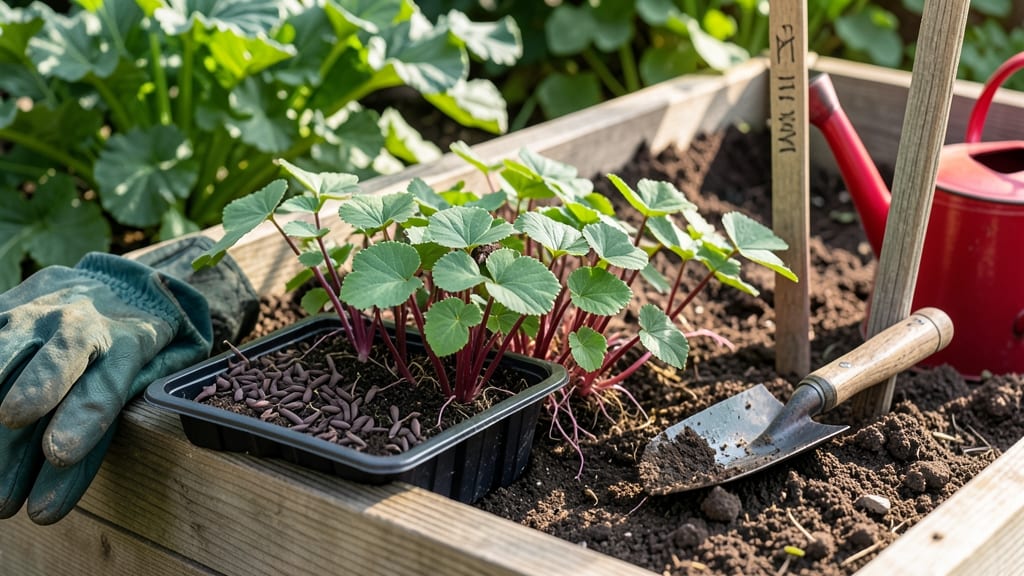
Timing your beet 🍠 planting in Utah isn’t just about following a calendar—it’s about outsmarting the state’s unpredictable swings from frost to drought. One week too early, and your seedlings might freeze; too late, and the summer heat sends them bolting before you taste that sweet crunch.
The key? Understanding your microclimate—whether you’re in the Wasatch Front’s urban heat islands or the high desert’s cooler valleys.
Most Utah gardeners know beets thrive in spring and fall, but the real magic happens in the details. In Zone 5b-7b, your last frost date can vary by two weeks depending on elevation, while summer heat can turn your patiently grown beets into bitter, stringy disappointments.
That’s why I’ve broken down the exact windows—plus how to stretch your harvest with succession planting and row covers.
You’ll learn when to start seeds indoors (or skip it entirely), which varieties handle Utah’s 100°F+ afternoons, and how to spot drought stress before it’s too late. No more guessing games—just a foolproof plan for beets that stay tender, sweet, and ready to harvest from June through November.
Let’s get your Utah beet garden on track with planting deadlines that actually work for your corner of the state. Ready to dig in?
Utah’s beet planting zones: when to start seeds by microclimate
Utah’s microclimates create a puzzle for beet growers—what works in Salt Lake City might fail in Moab. The key? Adjusting planting dates based on elevation, last frost dates, and soil warmth.
Beets thrive when soil temps hit 45°F, but Utah’s high desert can swing from freezing nights to scorching days in weeks.
I’ve broken Utah into four distinct zones, each with its own planting window. Whether you’re in the Wasatch Front or the Uintah Basin, these deadlines ensure sweet, bolt-free harvests. Pro tip: Use a soil thermometer—it’s your best friend for timing.
Here’s how to match your location to the perfect planting schedule:
In the Wasatch Front, I start seeds indoors by March 1 for a head start, while Southern Utah gardeners can direct-sow as early as February 15.
The trick? Monitor soil temperature—beets won’t germinate below 45°F, even if air temps are mild. Use black plastic mulch to warm cold soils faster.
For fall harvests, aim to plant 90–100 days before your first frost. In Salt Lake City, that’s late July, but in Moab, you’ve got until mid-August. Late summer heat can stress beets, so prioritize shade cloth or drip irrigation to keep roots cool.
Utah’s rocky soil is another hurdle. Amend beds with compost or aged manure to improve drainage—beets hate soggy roots. If your soil is alkaline (pH >7.5), mix in sulfur or peat moss to lower pH. Beets thrive in pH 6.0–7.0, and Utah’s natural alkalinity can stunt growth.
Don’t overlook succession planting—it’s how I stretch my harvest from June to November. In Southern Utah, I sow every 2 weeks from February to April, while Northern zones benefit from weekly sowings in July for fall crops. This ensures a steady supply without bolting.
One critical mistake I’ve seen? Planting too late in spring. By May 15, Utah’s days are long enough that beets bolt before maturing. Stick to the earlier windows above, and you’ll avoid bitter, seed-filled roots.
For heat-tolerant varieties, try ‘Detroit Dark Red’ or ‘Chioggia’—they handle Utah’s summer better than standard types.
Finally, track your local frost dates using the Utah Climate Center’s tools. Microclimates shift even within cities—your neighbor’s garden might be 2 weeks ahead of yours. With the right timing, you’ll go from seed to harvest in 50–60 days, enjoying Utah-grown beets at their sweetest.
How to extend Utah’s beet growing season with succession planting
Utah’s short growing season and intense summer heat can make beet growing feel like a high-risk gamble. But with succession planting, you can squeeze 3-4 harvests per year—even in the Wasatch Front’s 90°F+ summers.
The trick? Stagger plantings, choose heat-tolerant varieties, and use row covers to beat Utah’s early freezes.
Most gardeners focus on spring planting (March-April), but fall beets (August-September) often yield sweeter roots. In Utah’s USDA Zones 5b-7b, fall-planted beets mature just before frost, avoiding the bolting that summer heat triggers.
For example, Detroit Dark Red thrives in cooler temps, while Boltardy varieties resist summer’s rush to seed.
The key to success lies in planting intervals. Start your first batch 4-6 weeks before your last frost date (typically mid-April in Salt Lake City). Then, sow every 2-3 weeks until early June to ensure a steady supply.
For fall, begin 8-10 weeks before your first frost (early August for most of Utah) and repeat every 3 weeks.
Here’s how to maximize your Utah beet harvest with localized timing and season-extending hacks:
- Early Spring: Start seeds indoors 4-6 weeks before last frost (mid-February). Transplant outdoors after soil reaches 50°F (early April).
- Late Spring: Direct-sow every 2-3 weeks until early June. Use row covers to protect from late frosts.
- Summer: Plant heat-tolerant varieties (e.g., Boltardy) in shade cloth or drip-irrigated beds. Avoid planting after June 15 in most zones.
- Early Fall: Begin sowing August 1-15 for a fall harvest. Use black plastic mulch to warm soil and extend the season.
- Late Fall: For a winter harvest, sow September 1-15 in protected beds. Cover with straw mulch to insulate roots.
Don’t overlook container gardening for small spaces or rocky Utah soil. Use 5-gallon pots and plant every 2 weeks from April to August. Containers warm up faster in spring, giving you a 2-week head start on ground planting.
For drought-prone areas like St. George, prioritize drip irrigation and mulch heavily. Beets need consistent moisture, but Utah’s summer heat can dry soil in hours. Water deeply in the morning to prevent evaporation and fungal issues.
With these strategies, you’ll enjoy homegrown beets from May through November—no greenhouses required. The secret? Listen to your microclimate and adjust timings accordingly. In the mountains, plant 2 weeks later than valley gardens, and in the desert, start 1 week earlier to beat the heat.