
Plants
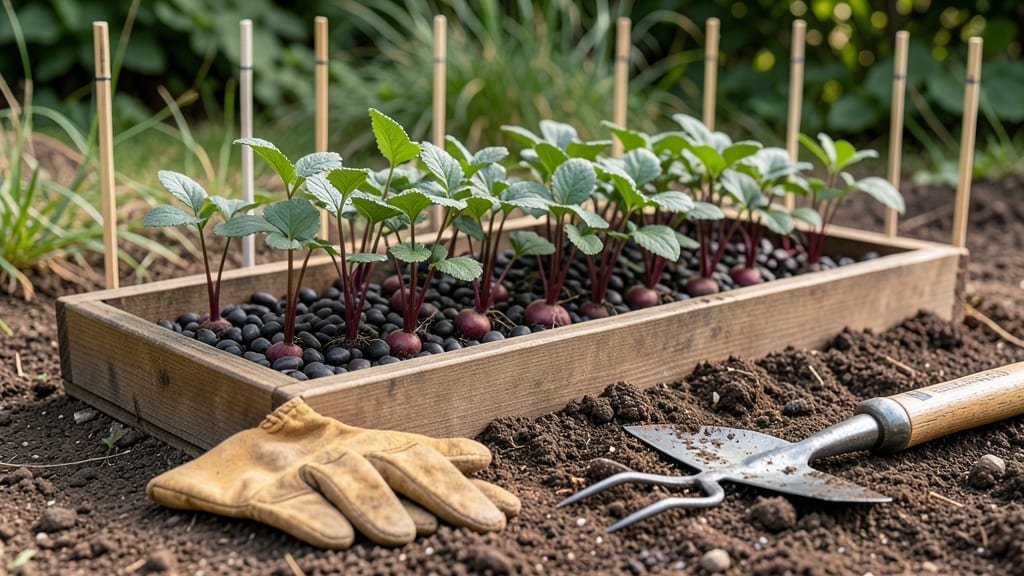
Planting beets in Wisconsin at the wrong time can mean the difference between a bountiful harvest and a sad, shriveled mess—especially when frost sneaks in or summer heat turns them tough. Whether you're a seasoned gardener or just starting, getting the timing right is the key to sweet, tender 🥕 all season long.
Wisconsin’s 4a-5b climate means you’ve got a narrow window to work with—typically between mid-April and mid-May for spring plantings, and again in early July for a fall harvest. Skip this, and you’ll either be fighting frost damage or dealing with beets that taste like wood.
Here’s the good news: with the right strategy, you can stretch your beet harvest from July all the way into November. I’ll break down the exact soil temperatures, frost-free deadlines, and succession planting tips tailored to your zone—so you never miss a beat again.
Let’s dive into the perfect planting schedule to keep your garden producing beets that are crisp, flavorful, and ready to harvest when you need them most.
Wisconsin beet planting calendar by hardiness zone (soil temp & frost dates)
Wisconsin’s USDA hardiness zones 3-5 create unique challenges for beet growers. The key to success? Planting when soil temps reach 40°F+ and avoiding late spring frosts that can stunt young seedlings.
Unlike warmer climates, Wisconsin’s short growing season demands precision—miss the window, and you’ll end up with bolting beets or woody roots.
Most Wisconsin gardeners focus on two main planting windows: early spring (April–May) for summer harvests and late summer (July–August) for fall crops. But the exact timing depends on your zone-specific last frost dates.
For example, Zone 3 gardeners in northern Wisconsin must wait until mid-May, while Zone 5 growers in southern Wisconsin can start as early as late April.
Here’s the critical rule: Beets thrive in cool soil (50–75°F). If you plant too early, frost will kill seedlings; too late, and summer heat causes bolting. Use a soil thermometer to confirm temps before sowing—this is non-negotiable in Wisconsin’s unpredictable spring.
| Zone | Last Frost Date | Spring Planting Window | Fall Planting Window | Soil Temp Threshold |
|---|---|---|---|---|
| Zone 3 (North) | May 10–20 | May 1–15 | July 15–August 1 | 45–50°F |
| Zone 4 (Central) | April 25–May 10 | April 15–May 1 | July 1–July 15 | 40–45°F |
| Zone 5 (South) | April 15–25 | April 1–April 15 | June 20–July 10 | 40°F+ |
🌱 Pro Tip: Use row covers to extend spring planting by 2–3 weeks.
For spring plantings, aim to harvest before summer heat sets in (June–July). Beets planted in late May often bolt by August, ruining their sweet flavor. Instead, stagger plantings every 2 weeks from April through June for a continuous harvest.
Fall plantings are trickier but rewarding. Start seeds in early July for a September–October harvest before hard frosts hit. Choose cold-hardy varieties like Detroit Dark Red or Golden, which tolerate light frosts. Stop planting by mid-August—any later, and roots won’t mature before winter.
Wisconsin’s first frost typically arrives in mid-October, but Zone 3 areas can see frost as early as September 20. To protect late-season beets, use mulch or row covers to insulate roots. Harvest before soil temps drop below 35°F, or beets will develop woodiness.
Don’t overlook succession planting. By sowing new seeds every 2–3 weeks from April to July, you’ll enjoy fresh beets for 4–5 months. This strategy beats Wisconsin’s short season and ensures you’re never without homegrown sweet, tender roots.
One final tip: Test your soil before planting. Beets prefer loamy, well-draining soil with a pH of 6.0–7.0. Wisconsin’s clay-heavy soils in many areas? Amend with compost or sand to improve drainage. Poor soil prep leads to uneven germination and stunted growth—skip this step at your peril.
Master these zone-specific deadlines, and you’ll transform Wisconsin’s short growing season into a beet-lover’s paradise. Sweet, crisp roots all summer and fall? That’s the Wisconsin gardener’s dream.
How to extend your Wisconsin beet harvest: succession planting & fall strategies
Wisconsin’s short growing season means you can’t afford to miss a single planting window for beets. The key to a continuous harvest? Succession planting—staggering your plantings every 2-3 weeks for fresh beets from early summer to late fall.
This method beats the heat and extends your harvest well past the first frost.
Start your first planting as soon as the soil reaches 40°F (typically mid-April in most of Wisconsin). Then, sow new seeds every 2 weeks until early July. This ensures you’ll have beets ready to harvest just as the first ones mature, creating a rolling harvest window that lasts until October.
For fall plantings, focus on cold-hardy varieties like ‘Detroit Dark Red’ or ‘Golden’—these tolerate light frosts and even sweeten after a touch of cold. Aim to plant your last succession in early August so they mature before the first hard frost (usually mid-October).
📌 Pro Tip: Use row covers or low tunnels to protect late-season plantings from early frosts. These extend your harvest by 2-4 weeks, giving you time to enjoy homegrown beets even in chilly weather.
Don’t overlook soil preparation—beets thrive in loose, well-draining soil with a pH of 6.0–7.0. Before planting, mix in 2–3 inches of compost to improve fertility and structure. This ensures your beets grow straight and tender, even in Wisconsin’s heavy clay soils.
Here’s a quick succession planting schedule tailored to Wisconsin’s climate:
- April 15–May 1: First planting (harvest July–August)
- May 15–June 1: Second planting (harvest August–September)
- June 15–July 1: Third planting (harvest September–October)
- July 15–August 1: Fall planting (harvest September–November with protection)
With this approach, you’ll enjoy homegrown beets for nearly 6 months—from the first tender greens in July to the last hardy roots in November. Just remember: thin seedlings to 3–4 inches apart and keep the soil consistently moist to avoid woody roots.