
Plants
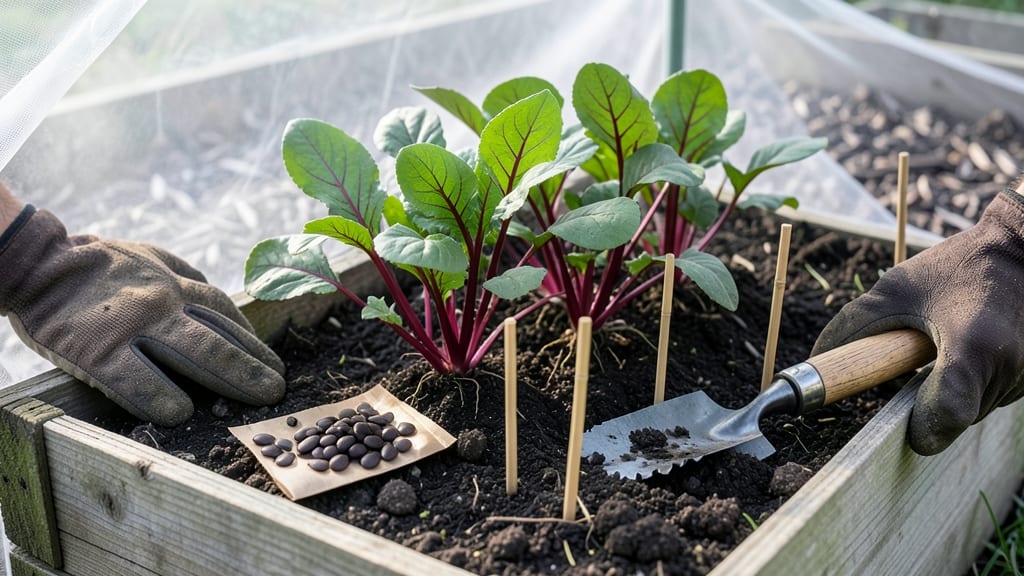
Planting beets at the wrong time in Zone 5 can turn your sweet, tender 🟣 harvests into bitter, bolted disappointments—and nobody wants that! The key to success lies in understanding your local frost dates and soil temperatures, which directly impact when you should drop those seeds for the best results.
In Zone 5, where last frosts typically arrive around mid-April and first frosts hit in mid-October, timing is everything. Whether you're aiming for early spring harvests or a fall crop, planting too early or too late can trigger bolting (when beets flower prematurely) or expose them to pests.
Let me show you exactly when to plant for a steady supply of delicious, bolt-free beets all season.
You’ll discover the ideal planting windows—both in early spring and late summer—that align with your region’s climate. Plus, I’ll share how to extend your harvest with succession planting and troubleshoot common mistakes that lead to woody roots or stunted growth. Ready to grow perfect beets? Let’s get started.
The best part? With the right timing, you can enjoy fresh, homegrown beets from June through October—no store-bought substitutes needed. Whether you’re a seasoned gardener or just starting out, these exact dates and tips will set you up for success in your Zone 5 garden.
Optimal planting windows for beets in Zone 5 to avoid bolting
Beets thrive in Zone 5's cooler temperatures, but planting them at the wrong time can trigger bolting—when they prematurely flower and become bitter. The key is to plant when soil temperatures stay between 40°F and 75°F.
Outside this range, beets either rot in cold soil or bolt in heat.
For Zone 5 gardeners, the best windows are early spring (March–April) and late summer (July–August). These periods balance frost risk and heat stress, ensuring sweet, tender roots. Let’s break down the exact timing and varieties that work best for each window.
🌱 Pro Tip: Use a soil thermometer to confirm temperatures before planting. Beets won’t germinate well in soil colder than 40°F or hotter than 80°F.
| Planting Window | Ideal Soil Temp | Best Varieties | Harvest Time |
|---|---|---|---|
| Early Spring (March–April) | 45–65°F | Detroit Dark Red, Golden | June–July |
| Late Summer (July–August) | 55–70°F | Chioggia, Babybeat | September–October |
| Fall (September) | 50–60°F | Cylindra (bolt-resistant) | October–November |
In early spring, plant Detroit Dark Red or Golden beets as soon as the soil warms to 45°F—typically mid-March to early April in Zone 5. These varieties tolerate light frost and produce sweet roots before summer heat sets in.
For a summer harvest, focus on July–August plantings with Chioggia or Babybeat varieties. These handle warmer soil better and mature quickly, avoiding the bolting risk of prolonged heat.
If you’re aiming for a fall harvest, plant Cylindra beets in late August. Their bolt-resistant traits make them ideal for cool-season extensions, and they’ll thrive until first frost (around mid-October in Zone 5).
Always harden off seedlings before transplanting, especially for late-season plantings. Acclimate them to outdoor conditions over 5–7 days to prevent shock and ensure strong root development.
For Zone 5’s shorter growing season, prioritize early spring and late summer plantings. These windows maximize your chances of sweet, tender beets without the bitterness of bolting or the woody texture of overgrown roots.
🌿 Key Takeaway: Plant beets when soil temps are 40–75°F, and choose cold-hardy or bolt-resistant varieties for your Zone 5 climate.
Optimal planting windows for beets in Zone 5 to avoid bolting
In Zone 5, beets thrive when planted during two key windows: early spring and late summer. The ideal soil temperature for germination is between 40-75°F, so timing your plantings around these ranges prevents bolting and ensures sweet, tender roots.
For spring plantings, aim to sow seeds 4-6 weeks before your last frost date—typically mid-March to early April in Zone 5. This gives seedlings enough time to mature before summer heat triggers bolting. Varieties like 'Detroit Dark Red' and 'Golden' are excellent choices for cooler weather.
| Planting Window | Soil Temp (°F) | Best Varieties | Harvest Time |
|---|---|---|---|
| Early Spring (March-April) | 40-60°F | Detroit Dark Red, Golden | June-July |
| Late Summer (July-August) | 60-75°F | Chioggia, Babybeat | September-October |
If you miss the spring window, don’t worry—late summer plantings (July-August) work beautifully for a fall harvest. Just ensure seeds are in the ground at least 8-10 weeks before your first frost (around mid-October in Zone 5) to avoid stunted growth.
Varieties like 'Chioggia' and 'Babybeat' are bolt-resistant and perfect for shorter growing seasons.
For extended harvests, consider a succession planting strategy: sow seeds every 2-3 weeks from spring through early summer. This keeps a steady supply of fresh beets while minimizing bolting risks. Always thin seedlings to 3-4 inches apart to prevent overcrowding, which stresses plants and encourages premature flowering.
Watch for soil temperature spikes—if it rises above 75°F for prolonged periods, even in spring, your beets may bolt. Use shade cloth or plant in partial shade during heatwaves to maintain ideal growing conditions. Mulching with straw also helps regulate soil temperature and retain moisture.
With the right timing and care, you’ll enjoy sweet, tender beets from early summer through fall—no bitter surprises here! Just remember: cool soil = happy beets, and Zone 5’s climate gives you two perfect chances to get it right.