
Plants
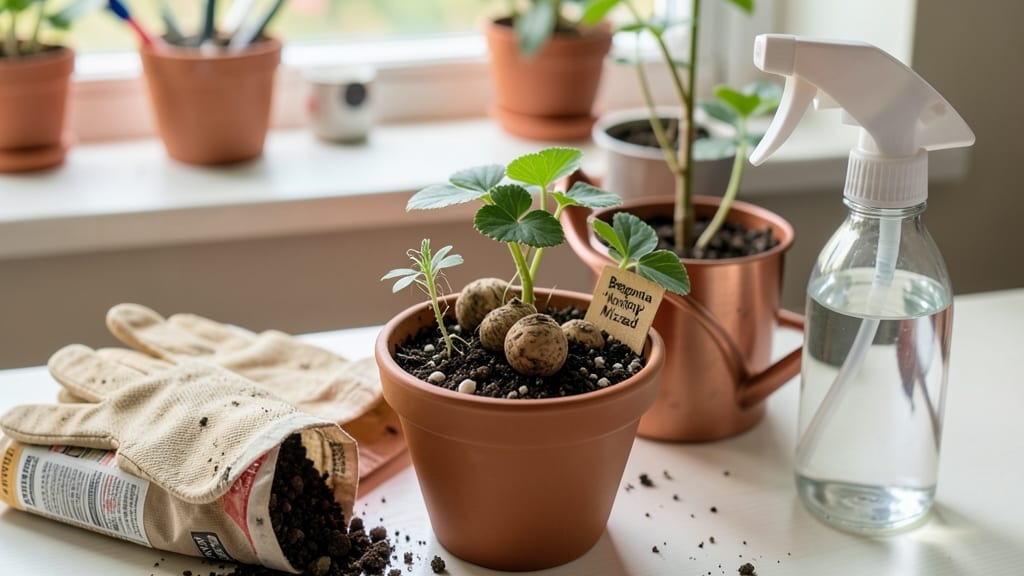
Timing your begonias in pots planting window could mean the difference between lush, vibrant blooms and struggling plants that barely survive.
With their delicate 🌸 leaves and showy flowers, begonias thrive when planted at the perfect moment—too early, and frost will damage them; too late, and they’ll miss their peak growing season.
If you’re in USDA Zone 6a (like many gardeners in the Midwest), your best bet is planting between April and May, once the last frost has passed and soil warms up. But what if you’re in a warmer climate?
Or if you’re eager to get a head start? The key is understanding your local frost dates and soil temperature—both critical factors for container-grown begonias.
In this guide, I’ll break down the ideal months to plant begonias in pots by zone, plus how to spot when conditions are just right. Whether you’re a first-time gardener or a seasoned pro, these tips will help you avoid common mistakes and give your begonias the best possible start.
Ready to transform your patio or balcony into a blooming paradise? Let’s dive into the exact timing and tricks you need for thriving begonias—no guesswork required.
Best planting months for begonias in pots by USDA hardiness zone
Getting your begonias in pots planted at the right time ensures vibrant blooms all season. Unlike in-ground plants, container begonias give you flexibility—but they still need the right temperature thresholds and frost-free windows.
I’ll break down the best months by USDA zone, including how to adjust for tuberous vs. fibrous types and container-specific needs.
Most gardeners plant begonias in pots after the last frost, but the exact timing depends on your zone. In zones 3-5, you’ll want to wait until soil temperatures hit 60°F (15°C)—usually late May.
Meanwhile, zones 6-9 can plant as early as March or April, provided nighttime temps stay above 50°F (10°C). Containers warm up faster than soil, so you can often plant 2-4 weeks earlier than ground planting.
Tuberous begonias (like Begonia tuberhybrida) are especially sensitive to cold. They need consistent warmth to sprout, so I recommend starting them indoors in zones 3-5 by early March.
Fibrous begonias (like Begonia semperflorens) are more forgiving and can handle cooler temps, making them ideal for earlier container planting.
Here’s a quick reference for your zone—use this to pinpoint the best window for potted begonias in your area:
| USDA Zone | Ideal Planting Month | Soil Temp Threshold | Container Hack |
|---|---|---|---|
| Zones 3-5 | Late May - Early June | 60°F (15°C) | Use heat mats for early starts |
| Zones 6-7 | April - Early May | 55°F (13°C) | Move pots to sheltered spots at night |
| Zones 8-9 | March - April | 50°F (10°C) | Plant early for year-round blooms |
| Zones 10-11 | Year-round (with care) | N/A (warm climates) | Use shade cloth in summer |
For tuberous begonias, I recommend planting them 4-6 weeks before your last frost date. This gives their tubers time to establish roots before the heat of summer. In zones 3-5, that means starting them indoors by early April and moving them outside after Memorial Day.
Fibrous begonias, on the other hand, can handle cooler temps and often do well when planted 2-3 weeks earlier.
One common mistake I see is planting begonias too early in cool zones. If you plant them in chilly soil (below 50°F), their roots will struggle to absorb water and nutrients, leading to yellowing leaves or even rot.
Containers can help here—they warm up faster, so you can often plant 1-2 weeks earlier than in-ground guidelines suggest.
If you’re in a transition zone (like zone 7b), pay attention to your local last frost date and adjust accordingly. I like to use a soil thermometer to confirm temps are right before planting.
For containers, you can also use black pots, which absorb heat and warm up faster than traditional terracotta.
Pro tip: If you’re in a warmer zone (8-11), you can plant begonias in pots almost year-round. Just avoid the peak summer heat (July-August) when temps exceed 90°F (32°C)
Instead, plant in spring or fall for the best results. In these zones, begonias can even bloom through winter if given the right care. For container-specific adjustments, remember that pots dry out faster than garden beds. This means you can often plant earlier in cooler zones because the soil in containers warms up more quickly. Just be prepared to water more frequently and move pots to sheltered areas if frost is forecasted.
Best planting months for begonias in pots by USDA hardiness zone
Begonias thrive in containers, but timing matters—plant too early, and frost will kill tender roots; too late, and your blooms will suffer. The ideal window depends on your USDA zone, soil warmth, and begonia type (tuberous vs. fibrous).
Most gardeners aim for after the last frost when soil hits 60°F+, but zones 8-10 can plant year-round with protection.
For tuberous begonias (the classic blooming types), wait until mid-spring in cooler zones. Fibrous begonias (like Rex or dragon-wing varieties) are slightly more forgiving but still need stable warmth. Containers warm faster than ground soil, so you can often plant 2-4 weeks earlier than in-ground guidelines suggest.
Here’s your zone-by-zone cheat sheet for potted begonias, including transition periods for extending your season:
| USDA Zone | Ideal Planting Month | Soil Temp Threshold | Notes |
|---|---|---|---|
| Zones 3-5 | May-June | 60°F+ (after last frost) | Use frost cloths for early starts; avoid cold drafts. |
| Zones 6-7 | April-May | 55°F+ (soil warmth critical) | Containers warm faster—plant 2 weeks early if nights stay above 45°F. |
| Zones 8-9 | March-April | 50°F+ (year-round possible with care) | Move pots indoors in winter; protect from light frosts. |
| Zone 10+ | Year-round (with adjustments) | 60°F+ (avoid summer heat stress) | Provide afternoon shade in peak summer; water deeply daily. |
Pro tip: Test your soil temperature with a thermometer before planting—tuberous begonias need consistent warmth, while fibrous types tolerate slightly cooler soils. If your zone’s last frost is unpredictable (like Zone 6’s April 15 ± 2 weeks), err on the side of waiting.
For container-specific adjustments, remember: pots dry out faster and warm quicker than ground soil. If you’re in Zone 5 or colder, start seeds indoors 8-10 weeks before your last frost date for earlier blooms. Use heat mats under pots to jumpstart growth in chilly springs.
Once planted, monitor your begonias closely for the first 2 weeks. Yellowing leaves or slow growth often signal too-cold soil—move pots to a warmer microclimate (like near a south-facing wall) if needed.
With the right timing, your potted begonias will reward you with blooms in as little as 8-10 weeks!