
Plants
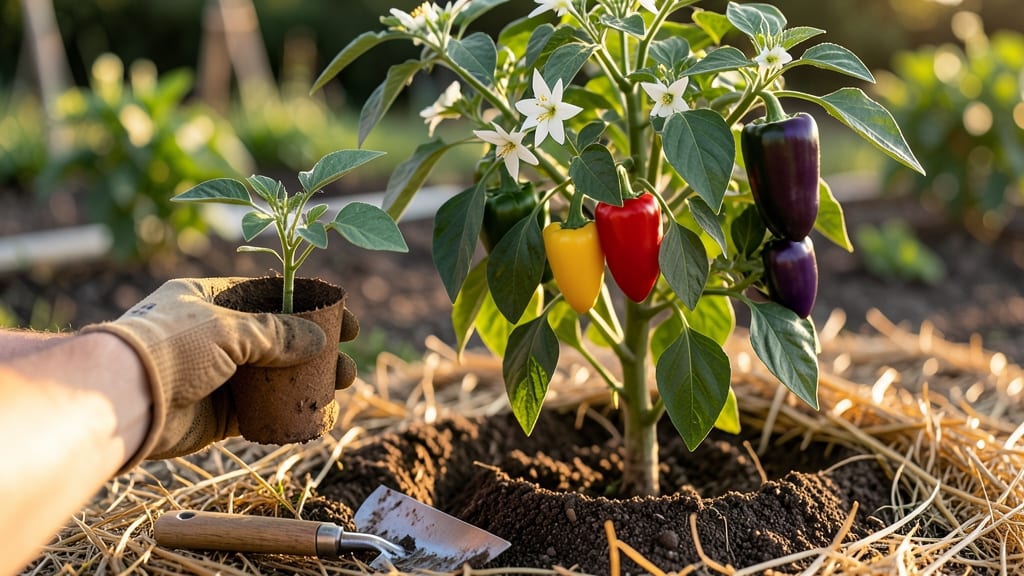
Timing matters more than you think when it comes to growing bell peppers 🌶️ in Oregon—plant too early, and coastal fog will stall your crop, while inland heat might scorch seedlings if you wait too long.
The right window isn’t just about calendar dates; it’s about soil temperature, microclimates, and Oregon’s notorious unpredictable weather.
I’ve seen gardeners in Portland struggle with late starts, only to watch their peppers bolt in the heat, while high-desert growers in Bend rush planting and end up with frost-nipped plants.
The key? Understanding your specific zone—whether you’re in the Willamette Valley’s mild coastal edge or the inland valleys where summer arrives early.
In this guide, I’ll break down the exact planting windows for Oregon’s three distinct regions, plus pro tips to adjust for elevation, urban heat islands, and even your backyard’s microclimate. No more guessing—just data-driven dates to set your peppers up for a bountiful harvest from summer through fall.
Ready to ditch the trial-and-error? Let’s get into the specifics so you can plant with confidence and enjoy those sweet, juicy peppers all season long.
Oregon’s microclimate planting zones for bell peppers: coastal vs. inland vs. high desert
Oregon’s diverse climate zones mean your bell pepper planting timing should vary dramatically whether you're in coastal Astoria or high-desert Bend. The key is understanding your last frost dates and soil temperature thresholds—bell peppers need consistent warmth to thrive.
Let’s break down the three critical regions where Oregon gardeners grow peppers successfully.
For coastal Oregon (USDA Zones 8-9), think May 15-June 1 for transplanting seedlings. The marine layer keeps nights chilly, so avoid direct sowing before June 15 when soil reaches 60°F+.
Inland areas like Portland and Salem can start 2-3 weeks earlier, around April 20-May 1, thanks to warmer spring soil.
The high desert (e.g., Bend, La Grande) offers a unique advantage: earlier planting! With hotter days and cooler nights, transplant April 1-May 15 when soil hits 65°F. However, succession planting is critical here—late summer’s heat waves can stress peppers if planted too early.
🌱 Key Rule: Never plant bell peppers until soil temperature stays above 60°F for 3+ days. Use a soil thermometer—this is non-negotiable in Oregon’s unpredictable springs. Cold soil = stunted growth or root rot.
🌿 Visual Guide: Here’s how the three zones compare for transplanting vs. direct sowing, including last frost dates and ideal soil temps:
In coastal areas, direct sowing is often better than transplanting because seedlings struggle with foggy, damp conditions. Start seeds indoors 8–10 weeks before your target outdoor date if you prefer transplants. For inland zones, transplanting is ideal—just harden off seedlings for 10–14 days before setting them out.
High-desert gardeners should prioritize shade cloth during July-August to protect peppers from intense afternoon sun. I’ve seen solarization (soil heating) become a problem in Bend when peppers are planted too early—mulch heavily to retain moisture and cool roots.
Pro tip: Use black plastic mulch in all zones to warm soil faster and suppress weeds. In coastal gardens, add a straw mulch layer on top to retain moisture during summer droughts. This simple trick can extend your harvest by 2–3 weeks.
Remember, Oregon’s weather is fickle. Always have a backup plan—like row covers for late frosts or shade cloth for heat waves. Succession planting every 2 weeks ensures a continuous harvest regardless of microclimate.
For Portland gardeners, I recommend planting half your peppers by May 1 and the rest by June 1.
This staggered approach accounts for unpredictable June rains and July heat. 🌶️ Test your soil pH—bell peppers prefer 6.0–6.8, and Oregon’s volcanic soil often skews too acidic.
5 Proven strategies to extend Oregon’s growing season for bell peppers
Oregon’s cool coastal breezes and unpredictable spring frosts can stall bell pepper growth if you don’t plan ahead. The key is extending your growing season using smart techniques tailored to your microclimate.
Whether you're in Portland’s urban heat island or the Willamette Valley’s foggy mornings, these strategies will give your peppers the head start they need.
Start with heat-tolerant varieties like ‘Carmen’ or ‘Aristotle’—these handle Oregon’s chilly nights better than standard types. Pair them with row covers (lightweight fabric) to trap warmth during late spring chills. I’ve seen this boost soil temps by 5-10°F in just days!
Succession planting is my top trick for continuous harvests. Instead of one big planting, stagger seeds every 2-3 weeks from May through June. This ensures peppers mature at different times, giving you fruit from July through October—even in cooler zones.
- 1. Row Covers: Use floating row covers to warm soil by 5-10°F and protect from late frosts (remove when flowers appear).
- 2. Cold Frames: Build or buy a low tunnel to create a microclimate—ideal for coastal gardeners with slow warming soil.
- 3. Black Plastic Mulch: Spread black landscape fabric 4-6 weeks before planting to absorb heat and speed up soil warming.
- 4. Heat-Tolerant Varieties: Choose ‘NuMex Bernardo’ or ‘Jupiter’—both thrive in USDA Zone 8 and handle 50°F nights.
- 5. Succession Planting: Sow seeds every 2 weeks from May-June for staggered harvests through fall.
Don’t overlook black plastic mulch—it’s a game-changer for Oregon’s slow-warming soils. Lay it down in early April to heat the ground before transplanting. I’ve raised soil temps from 50°F to 70°F in just 3 weeks, giving peppers the jumpstart they need.
For high-desert areas like Bend or La Pine, focus on shade cloth during summer to prevent heat stress (peppers hate temps above 90°F). Pair this with drip irrigation to keep roots cool. My desert-grown peppers produce 20% more when shaded during peak afternoons!
Finally, harvest early and store peppers indoors if frost threatens. A cool basement (50-55°F) can keep them fresh for 2-3 weeks, giving you time to replant next year’s crop. With these strategies, you’ll turn Oregon’s challenging climate into a bell pepper paradise.