
Plants
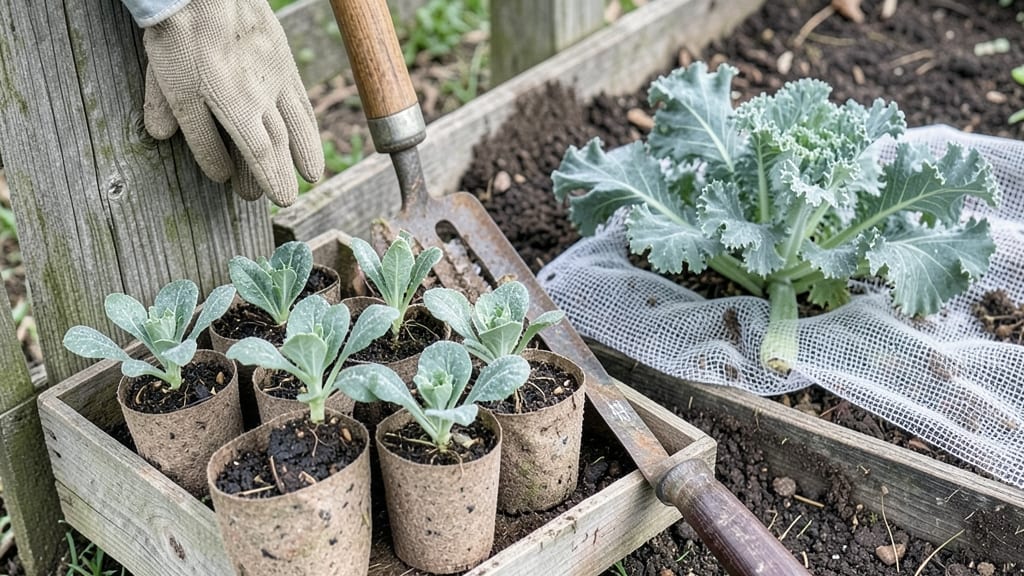
Knowing when to plant brassicas in Michigan can mean the difference between a bountiful harvest and wasted seeds. These cool-loving crops—like broccoli, cabbage, and kale—need precise timing to thrive in our 5b-6b climate, where early springs and late frosts demand careful planning.
Most gardeners in Michigan start brassicas indoors 4-6 weeks before the last frost (typically mid-April), but direct sowing after soil reaches 40°F also works. The key is avoiding heat stress—once temperatures climb above 75°F, these plants bolt faster than you can say "🥬 gone wrong."
Here’s the game-changer: two planting windows work best—early spring (March-April) and late summer (July-August). I’ll break down exactly which varieties suit each season, how to adjust for Upper vs. Lower Michigan’s microclimates, and why skipping soil prep is a rookie mistake.
Ready to grow brassicas that last from May through October? Let’s dive into the exact weeks to plant, plus pro tips to outsmart Michigan’s unpredictable weather and maximize your harvest.
Michigan brassica planting schedule: exact weeks before last frost by variety
Michigan’s cool-season climate makes it ideal for growing brassicas like broccoli, cabbage, and kale—but timing is critical. Plant too early, and seedlings rot in cold soil; wait too long, and heat triggers bolting.
The key is aligning your schedule with Michigan’s last frost dates, which typically range from mid-April in Southern Michigan to early May in the Upper Peninsula.
For spring planting, start seeds indoors 4-6 weeks before your last frost date (early March for most regions). Direct sowing can begin 2-3 weeks before last frost once soil temperatures reach 40°F.
In fall, aim for 8-10 weeks before first frost (mid-September for most areas) to ensure mature harvests before winter sets in.
Not all brassicas thrive equally in Michigan’s climate. Cold-hardy varieties like 'Winterbor' kale and 'Tendercrisp' cabbage tolerate light frosts, while heat-sensitive types like 'Calabrese' broccoli bolt quickly if planted too late. Below is a breakdown of exact planting windows for your region, including adjustments for Upper vs. Lower Michigan.
| Variety | Spring Planting Window | Fall Planting Window | Frost Tolerance | Days to Maturity |
|---|---|---|---|---|
| Broccoli (e.g., 'Packman') | 4-6 weeks before last frost (March) | 8-10 weeks before first frost (Sept) | Moderate (32°F) | 50-70 days |
| Cabbage (e.g., 'Golden Acre') | 3-4 weeks before last frost (March) | 9-11 weeks before first frost (Aug-Sept) | High (25°F) | 70-90 days |
| Kale (e.g., 'Winterbor') | Direct sow after last frost (April) | 6-8 weeks before first frost (Sept-Oct) | Very High (15°F) | 45-60 days |
| Brussels Sprouts (e.g., 'Long Island Improved') | 4-6 weeks before last frost (March) | 10-12 weeks before first frost (Aug) | Moderate (28°F) | 90-120 days |
| Cauliflower (e.g., 'Snowball') | 6-8 weeks before last frost (Feb-Mar) | Not recommended (slow to mature) | Moderate (30°F) | 70-85 days |
For Upper Michigan (USDA Zone 5b), adjust planting dates 2-3 weeks later due to colder soils. For example, start broccoli seeds indoors in late March instead of early March.
In Southern Michigan (Zone 6a), you can push spring planting 1-2 weeks earlier and extend fall planting into early October for hardy varieties like kale.
Pro tip: Use row covers to extend your growing season by 2-3 weeks in spring or protect fall crops from early frosts. This is especially useful for heat-sensitive varieties like cauliflower, which struggle in Michigan’s summers.
Succession planting is another game-changer. For broccoli and cabbage, sow seeds every 2-3 weeks from spring through early summer to stagger harvests. This ensures a continuous supply of fresh produce and reduces the risk of bolting from heat stress.
Cold-hardy vs. heat-tolerant brassicas: which to plant when in Michigan’s climate
Michigan’s cool-season climate makes brassicas perfect for spring and fall gardens, but not all varieties handle heat the same way. Cold-hardy types like kale and cabbage thrive when temperatures dip, while heat-tolerant varieties like 'Packman' broccoli can handle brief summer warmth.
Knowing which to plant—and when—is key to avoiding bitter flavors or bolting.
For spring planting, focus on cold-hardy brassicas that tolerate frost down to 20°F. These include 'Winterbor' kale, 'Golden Acre' cabbage, and 'Waltham 29' broccoli. Plant them 4-6 weeks before your last frost date, typically between March 15 and April 15 in most of Michigan.
In late summer, switch to heat-tolerant varieties like 'De Cicco' broccoli raab or 'Red Russian' kale. These handle warmer soil better and can be sown July 15 to August 15 for fall harvests. Use shade cloth if temperatures exceed 85°F to prevent bolting.
🌱
Cold-Hardy Brassicas
- ✅ Thrives in 35-65°F
- ✅ Tolerates light frost (20-25°F)
- ✅ Best for spring/fall planting
- ✅ Examples: 'Winterbor' kale, 'Golden Acre' cabbage
Heat-Tolerant Brassicas
- ✅ Handles 70-80°F briefly
- ✅ Bolts in prolonged heat (85°F+)
- ✅ Best for late summer planting
- ✅ Examples: 'Packman' broccoli, 'Red Russian' kale
Pro Tip: Use succession planting every 2-3 weeks in spring/fall to extend harvests!
Succession planting is your secret weapon for continuous harvests. After your first planting of broccoli or cabbage, sow new seeds every 2-3 weeks until 6 weeks before your first frost. This ensures a steady supply of fresh greens from May through October.
For fall brassicas, prioritize varieties with longer maturity dates (e.g., 80-100 days for cabbage). Plant them by July 15 to mature before cold sets in. Use row covers in late September to protect tender plants from early frosts.
If you’re in Northern Michigan (USDA Zone 5b), stick to earlier-maturing varieties (e.g., 50-60 days) to avoid frost damage. Southern Michigan gardeners (Zone 6b) can push the envelope with heat-tolerant types like 'Cavolo Nero' kale, which handles short heat spells better than most.