
Plants
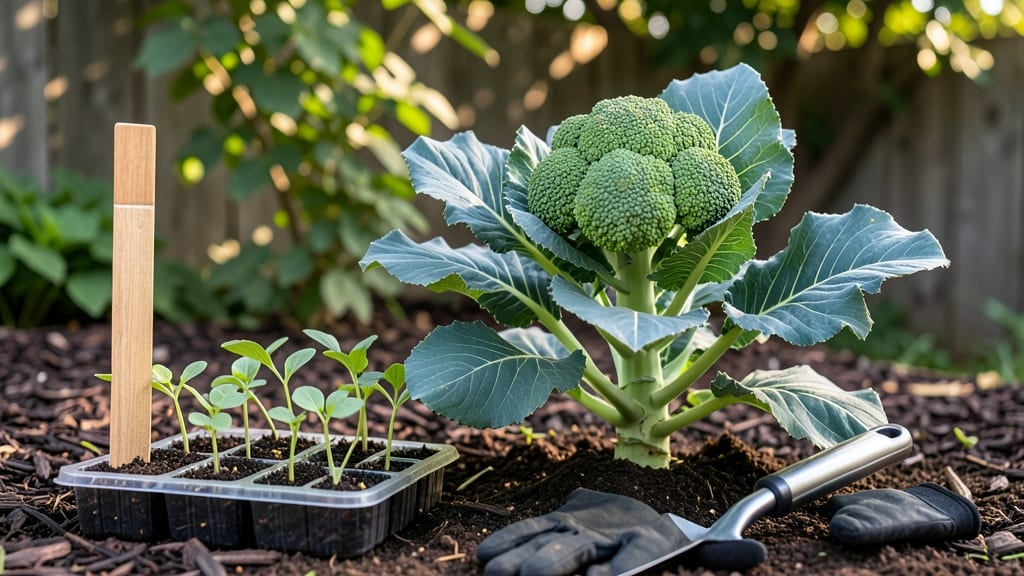
Timing your 🥦 broccoli planting in Colorado could mean the difference between a thriving garden and a bitter disappointment. With USDA zones 4-7 and dramatic elevation shifts, getting the schedule wrong can lead to bolting or stunted growth—especially when those 3 PM heat waves hit unexpectedly.
Most gardeners here know spring is the classic window, but did you realize late summer planting often yields better-tasting heads? The key lies in understanding your local frost dates—Denver’s last frost typically arrives around April 10, while high-altitude areas can wait weeks longer.
In this guide, I’ll break down the exact planting windows for your region, plus pro tips to avoid common pitfalls like heat stress or premature flowering. Whether you’re on the Front Range or the high plains, these strategies will help you grow bolting-resistant broccoli that thrives in Colorado’s tricky climate.
Ready to transform your garden? Let’s dive into the zone-specific secrets that’ll have your 🥦 broccoli flourishing all season long.
Best planting dates for broccoli in Colorado’s hardiness zones 4-7
Colorado’s diverse climate zones mean broccoli planting dates vary dramatically from the Front Range to high-altitude valleys. In Denver (Zone 5b-6a), aim for early spring (March-April) or late summer (July-August) to avoid bolting.
Higher elevations (6,000+ ft) like Fort Collins or Steamboat Springs (Zone 4) need adjustments—plant 2-3 weeks later to account for cooler soil temps.
Broccoli thrives when soil temperatures reach 40°F, but seeds won’t germinate below 45°F. Use a soil thermometer to confirm readiness—especially in Zone 4 areas where spring arrives later. For fall harvests, start seeds 90-100 days before your first frost (typically mid-October in Denver, earlier at higher elevations).
Here’s how to align planting with Colorado’s microclimates:
| Zone & Location | Spring Planting Window | Fall Planting Window | Key Adjustments |
|---|---|---|---|
| Zone 4 (Steamboat, Grand Junction) | April 15–May 15 | July 15–August 15 | Use black plastic mulch to warm soil; plant after May 1 for Zone 4 |
| Zone 5b (Denver, Boulder) | March 15–April 15 | July 1–August 1 | Start indoors in late February; protect seedlings from late frosts |
| Zone 6a (Colorado Springs) | March 1–April 1 | June 20–July 15 | Soil warms faster; direct-sow after March 15 |
| Zone 7 (Albuquerque edge) | February 15–March 15 | June 1–July 10 | Extend season with row covers; watch for heat stress |
For high-altitude gardens (7,000+ ft), like those in Leadville or Aspen, delay planting until after May 15 to avoid frost damage. Use cold frames or row covers to extend your growing season in these areas.
In Zone 7 (southern Colorado), you can push spring planting as early as February 15 if using protection, but bolting risk increases with early warmth.
Pro tip: Succession plant every 2 weeks in spring and fall to ensure a continuous harvest. In Colorado’s short growing season, this means 4-5 plantings per year for most Front Range gardens.
For example, if you plant your first batch on March 15, follow with batches on April 1, April 15, and May 1 for staggered harvests through June.
Always check your local frost dates—Colorado’s microclimates can shift frost windows by 2-3 weeks even within the same county. The Colorado State University Extension offers free frost date maps tailored to your ZIP code.
Planting at the right time isn’t just about avoiding frost; it’s about preventing bolting from sudden temperature swings, which are common in Colorado’s unpredictable spring weather.
If you’re in Zone 4 or 5, prioritize fall planting for your most reliable harvest. Broccoli planted in late July will mature just as days shorten in September-October, avoiding the heat stress that triggers bolting.
Use shade cloth (30-50%) during summer to protect seedlings from intense Colorado sun.
Remember: Soil temperature matters more than air temperature. In Denver, soil may hit 50°F by March 15, but in Fort Collins, wait until April 1—even if air temps are similar. A soil thermometer is your best tool for zone-specific planting success.
🌱
Best planting dates for broccoli in Colorado’s hardiness zones 4-7
Colorado’s USDA zones 4-7 create unique challenges for broccoli growers. The Front Range (Denver area, 5b-6a) enjoys longer growing seasons, while high-altitude regions (6,000+ ft) face earlier frosts. To succeed, focus on soil temperature and frost dates—not just calendar months.
Planting too early risks frost damage, while late starts may lead to bolting from summer heat.
For spring planting, aim for 4-6 weeks before your last frost date. In Denver, this means mid-March to early April, but in Grand Junction (Zone 6b), you can start as early as late February.
Fall planting should begin 90-100 days before first frost, typically late July to early August for most regions. High-altitude areas like Fort Collins (Zone 5a) may need to adjust timelines by 2-3 weeks earlier.
| Region | Zone | Spring Planting Window | Fall Planting Window | Soil Temp Requirement |
|---|---|---|---|---|
| Denver/Front Range | 5b-6a | Mid-March to early April | Late July to early August | 45-50°F (7-10°C) |
| Grand Junction | 6b-7a | Late February to March | Early August to mid-September | 50-55°F (10-13°C) |
| Fort Collins | 5a | Late March to April | Mid-July to early August | 40-45°F (4-7°C) |
| Colorado Springs | 6a | Early March to April | Late July to early August | 45-50°F (7-10°C) |
🌱 Note: Adjust for high-altitude areas by planting 2-3 weeks earlier.
Soil temperature is critical—broccoli seeds won’t germinate below 40°F (4°C). Use a soil thermometer to confirm readiness. In high-altitude gardens, wait until soil warms to 50°F (10°C) for reliable germination. For container gardening, start seeds indoors 6-8 weeks before transplanting to extend your growing season.
Succession planting is key in Colorado’s short seasons. After harvesting your first spring crop, replant with fast-maturing varieties like ‘Green Magic’ (ready in 50 days) to maximize yield.
For fall harvests, stagger plantings every 2-3 weeks from July through August. This ensures a continuous supply before the first frost hits, usually mid-October in most regions.
Companion planting can also help. Pair broccoli with dill, celery, or onions to deter pests like cabbage moths. Avoid planting near tomatoes or strawberries, which can compete for nutrients and attract shared pests.
Mulching with straw or grass clippings helps maintain even soil moisture and temperature, reducing stress that can trigger bolting.
Remember, Colorado’s unpredictable weather means flexibility is key. Monitor your garden closely, and don’t hesitate to cover young plants with frost blankets if late frosts threaten. With the right timing and care, you’ll enjoy homegrown broccoli from spring through fall—no bitter surprises here! 🌿