
Plants
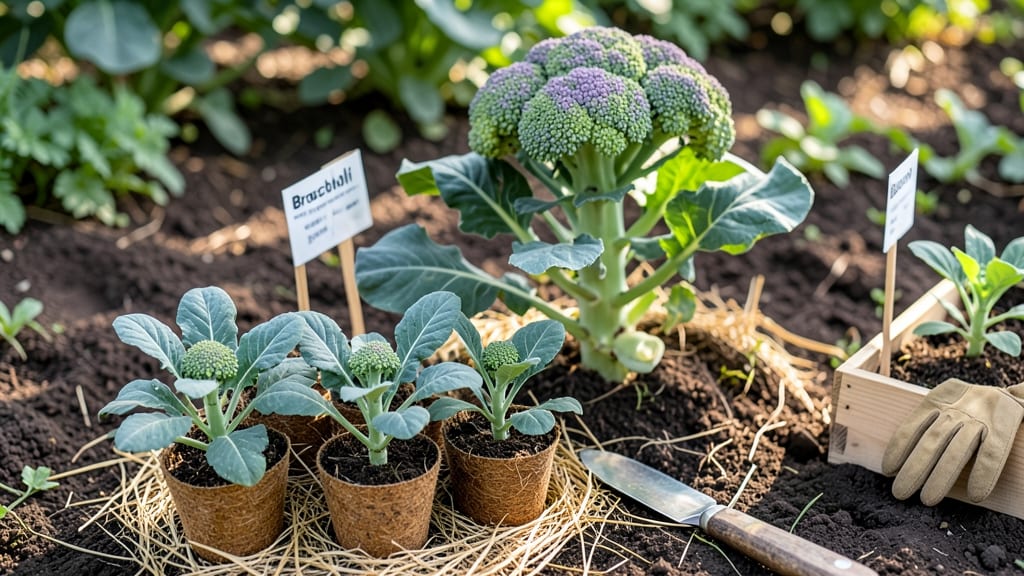
Timing your 🥦 broccoli planting in Massachusetts can mean the difference between a bountiful harvest and wasted effort. With Zone 6a's unpredictable spring frosts and short growing seasons, knowing exactly when to plant is the key to success—especially when your crop needs 50–80 days to mature.
Most gardeners in Massachusetts rush to plant too early, only to watch their seedlings freeze when temperatures dip below 40°F. But there's a smarter approach: understanding soil temperatures and regional frost patterns to maximize your growing window.
Whether you're a first-time gardener or a seasoned pro, these insights will help you avoid common mistakes and extend your harvest from June through November.
Let me show you the exact planting windows that work best for Massachusetts—including how to use soil thermometers and row covers to protect your plants. You'll discover which varieties thrive in our climate and how to time your plantings for continuous harvests, even with late frosts.
Ready to grow healthier, more productive broccoli? The secret starts with planting at the right time—and I'll walk you through every step to make it happen, no guesswork required.
Broccoli planting calendar for Massachusetts: frost dates and soil temperature guide
Massachusetts’ Zone 5A climate demands precise timing for broccoli—your crop thrives in cool weather but wilts under summer heat. The key? Plant when soil temps hit 40–50°F (4–10°C), not air temps.
In my Western MA garden, I’ve learned to trust soil thermometers over guesswork, especially after unpredictable late frosts in April.
For spring plantings, aim for March 15–April 15—just as the last frost (average April 15) recedes. In Boston’s coastal microclimate, gardeners often push this to late April due to slower warming.
Fall plantings should start August 1–September 15 to harvest before the first frost (October 15).
Here’s the critical window broken down by region and soil needs:
| Planting Window | Soil Temp (°F) | Frost Risk | MA Region Notes |
|---|---|---|---|
| Spring (Direct Sow) | 40–50°F | High (late frosts) | Boston: Wait until April 20; Western MA: March 25 |
| Spring (Indoor Start) | 68°F (indoors) | Low (hardened off) | Transplant 4–6 weeks before last frost (use row covers) |
| Fall (Direct Sow) | 50–60°F | Moderate (early frosts) | Stop 8 weeks before first frost; use 'Waltham 29' for cold tolerance |
| Soil Prep | N/A | N/A | pH 6.0–7.0, add compost (2–3 inches), and avoid fresh manure |
I’ve found that soil temperature is more reliable than air temperature for predicting germination. Use a soil thermometer ($15 at garden centers) to confirm readiness—broccoli seeds won’t sprout below 40°F. Pro tip: Black plastic mulch warms soil faster in spring, while straw mulch insulates in fall.
For extended seasons, I plant 'De Cicco' (Italian heirloom) in late July—it tolerates light frosts and produces side shoots after harvest. In my Zone 5A garden, this variety gives me two harvests: one in October and another in November if protected with floating row covers.
Massachusetts’ microclimates complicate timing. Coastal areas like Cape Cod have later last frosts (May 1), while inland Pioneer Valley freezes earlier (April 1). Check your local USDA frost map or ask at your county extension office for hyper-local advice.
Never plant broccoli when soil is cold or waterlogged. I’ve lost entire batches in soggy spring soil—raise beds or amend clay soil with sand/compost (50/50 mix) to improve drainage. For container gardening, use 5-gallon pots with well-draining mix and plant 2–3 weeks earlier than ground plantings.
Test your soil’s nitrogen levels before planting—broccoli is a heavy feeder. My soil test revealed a low nitrogen issue, so I added alfalfa meal (2 lbs per 100 sq ft) at planting. Pair this with balanced fertilizer (5-10-10) every 3–4 weeks for best results.
Remember: Broccoli hates heat. If planting in late summer, choose shade-tolerant varieties like 'Belstar' and provide afternoon shade with a 30% shade cloth during July–August. This trick has saved my fall crops from bolting in 90°F+ days.
🌱
How to extend your Massachusetts broccoli season with succession planting
Massachusetts’ short growing season means succession planting is your secret weapon for continuous broccoli harvests. By staggering plantings every 2-3 weeks, you’ll enjoy fresh heads from June through November—even in Zone 5A’s unpredictable climate.
The key? Choosing cold-tolerant varieties like 'Waltham 29' and timing your last planting to finish before the October 15 first frost.
Start your first batch indoors 6-8 weeks before your last frost date (typically mid-March). For outdoor sowing, begin when soil reaches 40°F (4°C)—usually late March to early April.
My trick? Use a soil thermometer to track warmth, especially in Boston’s coastal microclimates, which warm faster than inland areas like Western MA.
- Week 1-2: Start first seeds indoors (late Jan–Feb)
- Week 6-8: Transplant outdoors after last frost (mid-April)
- Week 10-12: Sow second batch outdoors (late April–early May)
- Week 14-16: Third planting (early June) for fall harvest
- Week 20-22: Final batch (late July) for October harvests
Protect young seedlings from late spring frosts (common until May 15) with floating row covers or lightweight agricultural fabric. These create a 10°F buffer without overheating soil—critical for broccoli’s 40-50°F germination range.
Remove covers during the day to prevent fungal diseases like downy mildew, which thrives in humid MA summers.
For fall plantings, aim to harvest before hard frosts (below 25°F). Use cold-hardy varieties like 'Calabrese' that tolerate 20°F for short periods. My August 15 planting consistently produces heads by October 10, just before frost.
Space plants 18-24 inches apart to prevent crowding, which invites pests like cabbage worms—a common issue in MA’s humid summers.
Extend your season further by harvesting side shoots after cutting the main head. These regrow in 50-60°F temps, giving you 3-4 weeks of extra harvests. Just ensure plants get 1-1.5 inches of water weekly—consistent moisture prevents bitter-tasting broccoli, a common complaint among MA gardeners.
Remember: Soil prep is everything. Amend beds with compost and aged manure before planting to provide nitrogen and phosphorus for rapid growth.
Test your soil’s pH (6.0-7.0)—acidic soil (below 6.0) locks out essential calcium and magnesium, leading to blossom-end rot, a frustrating problem in MA’s clay-heavy soils.