
Plants
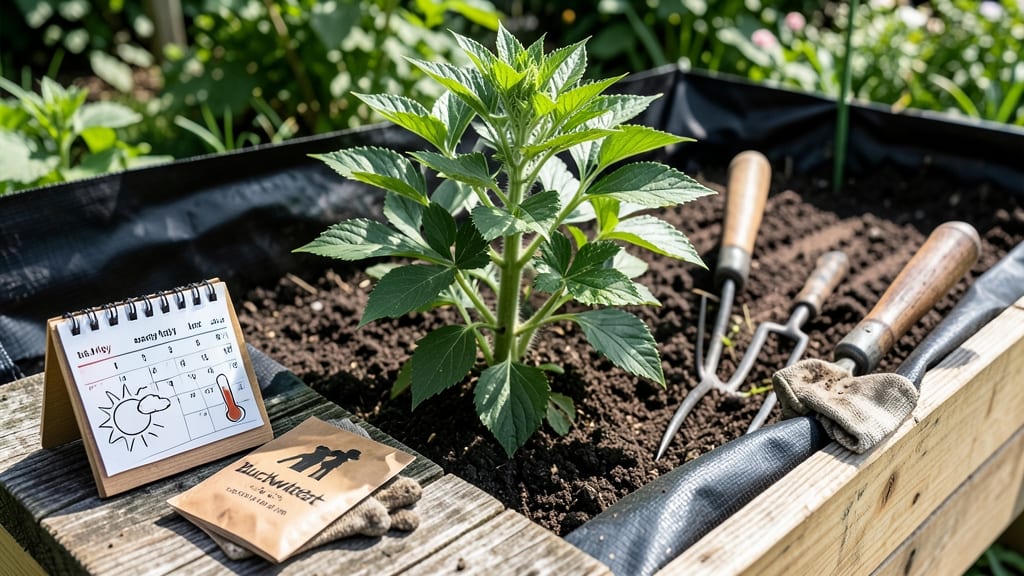
Michigan buckwheat planting deadlines by hardiness Zone (5-6) for maximum yield
Buckwheat is a fast-growing powerhouse that thrives in Michigan’s short growing season, but timing is critical. In USDA Zones 5-6, the difference between a bountiful harvest and a frost-killed crop often comes down to planting dates and soil temperatures.
Let’s break down the exact windows for two harvests—early summer and late summer—to maximize your yield.
Michigan’s last spring frost typically occurs between May 10-20, depending on your location, while the first fall frost hits around September 20-30. Buckwheat seeds germinate best when soil temperatures reach 60°F (15°C), so aim to plant after that threshold is met.
This usually aligns with late May to early June for the first planting and mid-August for a second harvest.
For Zone 5 (northern Michigan), stick to June 1-15 for the primary planting and August 10-20 for the late-season crop. In Zone 6 (southern Michigan), you can push the first planting to May 25-June 10 and the second to August 5-15.
These windows ensure your buckwheat matures—60-90 days depending on the variety—before frost sets in.
Here’s the key: Buckwheat’s rapid growth cycle (as fast as 3 inches per week) means you can squeeze in two harvests per season if you time it right. The first planting gives you summer greens, while the second yields late-season grains or cover crop biomass before winter.
Missing these deadlines risks premature frost damage or stunted growth.
Pro tip: Use a soil thermometer to confirm temperatures before planting. If your soil is cooler than 60°F, wait a few days—buckwheat won’t germinate well in cold soil. Patience here pays off with vigorous, frost-resistant plants.
| Zone | First Planting Window | Second Planting Window | Soil Temp Threshold | Expected Harvest |
|---|---|---|---|---|
| Zone 5 (North) | June 1–15 | August 10–20 | ≥60°F (15°C) | Late July–Early Sept |
| Zone 6 (South) | May 25–June 10 | August 5–15 | ≥60°F (15°C) | Mid-June–Late Sept |
🌱 Planting Buckwheat in Michigan: Zone-Specific Deadlines
If you’re growing buckwheat as a cover crop, you can extend the second planting to early September in Zone 6, as the goal shifts from grain production to soil improvement.
Cover crop buckwheat adds nitrogen and prevents erosion, making it a dual-purpose crop for fall gardens. Just ensure it’s planted at least 60 days before frost to establish roots.
For ornamental buckwheat (like ‘Manchurian Giant’), focus on the first planting window to enjoy its showy flowers in late summer. These varieties are prized for their bright blooms and attract pollinators, but they still need to mature before frost.
Aim for a July 15 planting in Zone 5 and July 1 in Zone 6 to guarantee blooms.
One common mistake is planting too early in cool soil, which delays germination. Another is skipping the second planting—this is your chance to double your harvest or prepare your soil for winter. Mark your calendar now: June and August are your magic months for buckwheat success in Michigan.
Remember, buckwheat’s tolerance for poor soil and drought resistance make it a low-maintenance crop, but timing remains the #1 factor for success. With these deadlines locked in, you’re ready to grow lush greens, grains, or cover crops—all while beating Michigan’s unpredictable frost!
Michigan buckwheat planting deadlines by hardiness Zone (5-6) for maximum yield
Buckwheat thrives in Michigan’s USDA Zones 5-6, but its 60-90 day growth cycle means timing is critical. Plant too early, and frost will nip tender seedlings. Too late, and you’ll miss the first harvest window before fall frosts arrive.
Michigan’s 10-year frost averages show the last spring frost typically occurs between May 10-20, while the first fall frost hits September 20-30—leaving just 4-5 months for buckwheat’s rapid growth.
To maximize yields, focus on two key planting windows: early June for a summer harvest and late July for a fall harvest. These deadlines align with soil temperatures hitting 55°F+, the ideal range for germination.
In Zone 5, where frosts linger longer, prioritize the late July planting to avoid early-season risks. Meanwhile, Zone 6 gardeners can safely attempt both windows, thanks to a slightly extended growing season.
Here’s how to align your planting with Michigan’s climate:
| Zone | Last Spring Frost | First Fall Frost | Early Planting Window | Late Planting Window |
|---|---|---|---|---|
| Zone 5 | May 15 | September 25 | June 15 - July 5 | July 20 - August 10 |
| Zone 6 | May 10 | October 1 | June 1 - July 15 | July 15 - August 20 |
Adjust dates based on your local 10-year frost averages
For Zone 5 gardeners, the late July window is your safest bet—it ensures buckwheat matures before the September 25 frost line. In Zone 6, you can push the envelope with an early June planting, but monitor soil temperatures closely.
If nights dip below 50°F, use row covers to protect seedlings until they’re established.
Pro tip: Use Michigan State University’s frost date calculator to refine your deadlines. Input your specific county, and it’ll generate precise frost-free windows tailored to your microclimate. This is especially useful for gardeners in northern Michigan, where frosts can arrive 2-3 weeks earlier than southern regions.
Remember, buckwheat’s fast growth rate (ready in 60-75 days) makes it perfect for succession planting. If you miss the early window, don’t panic—just shift to the late July slot and focus on heat-tolerant varieties like ‘Kyushu.’ The key is soil warmth, not calendar dates.
🌱