
Plants
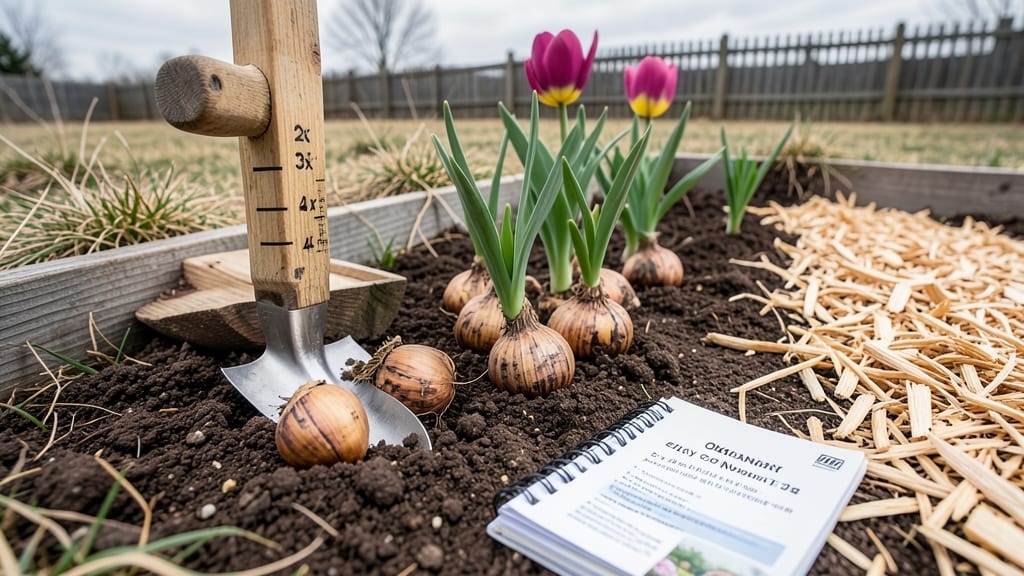
If you've ever wondered when to plant bulbs in Oklahoma and still end up with patchy spring blooms, you're not alone. The key to vibrant 🌷 Spring-Flowering Bulbs (Tulips, Daffodils, Hyacinths, etc.) isn't just about timing—it's about understanding your local microclimate.
Oklahoma's 6a-7b zones create unique challenges, from the humid east to the drier west. Planting too early or too late can mean the difference between a stunning spring display and missed blooms entirely.
The September-November window is your best bet, but knowing exactly when to dig in your specific area makes all the difference.
I'll show you how to read your local frost dates, adjust for urban heat islands, and choose the perfect varieties that thrive in Oklahoma's conditions. Whether you're in Tulsa or the Panhandle, these insights will help you time your planting like a pro.
Ready to transform your yard into a spring paradise? Let's dive into the exact deadlines and pro tips that will give you perfect blooms year after year.
Oklahoma’s bulb planting zones: when to plant by region (east vs. west)
Oklahoma’s bulb planting schedule isn’t one-size-fits-all—your location can shift ideal timing by 4-6 weeks. The state spans USDA Zones 6a-7b, with eastern regions like Tulsa experiencing humid subtropical conditions and western areas like the panhandle facing semi-arid challenges.
These differences mean bulbs planted in September in Tulsa might rot if planted the same month in Lawton.
To avoid disappointment, I focus on two critical factors: soil temperature (bulbs need 60°F soil to root) and first frost dates. Plant too early, and bulbs may sprout before winter; too late, and they won’t establish roots before freezing.
The 6-8 week rule applies here: plant bulbs 6-8 weeks before your average first frost, which typically lands between mid-October and early November across most of Oklahoma.
For example, in Oklahoma City (Zone 7a), the first frost usually arrives November 15, so I aim to finish planting by October 1. Meanwhile, in Tulsa (Zone 7b), where frost comes slightly later (November 20), I can stretch planting until mid-October.
In the western panhandle (Zone 6a), where frost hits October 25, I rush to plant by late September.
Microclimates add another layer—urban areas like Norman can be 3-5°F warmer than rural zones just miles away due to concrete heat absorption. If you’re in a city, consider planting 1-2 weeks earlier to account for this urban heat island effect.
Conversely, elevated or windy areas (like parts of the Ozark Plateau) may experience frost 10-14 days earlier, requiring an earlier planting window.
Here’s the golden rule I follow: Test your soil temperature with a soil thermometer before planting. If it’s below 60°F, wait—even if it’s October. Cold soil slows root growth, leaving bulbs vulnerable to rot or freezing.
In my experience, early October is the safest bet for most of Oklahoma, but I always double-check local frost data from the National Weather Service or Oklahoma Mesonet for precision.