
Plants
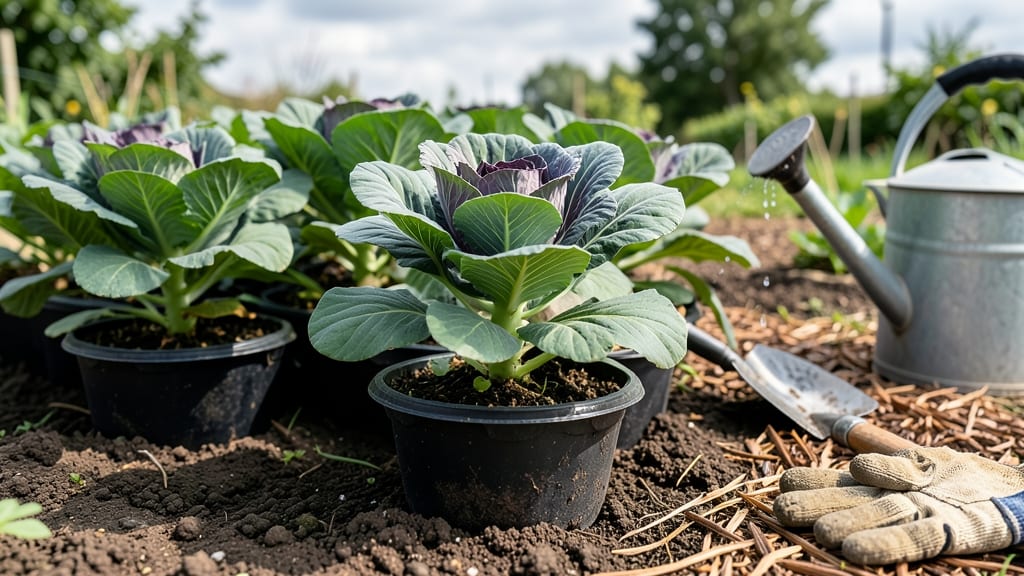
If you're wondering when to plant cabbage in Zone 9, the answer isn't as simple as "spring" or "fall"—it's about beating the heat while catching the perfect cool-season window.
In Zone 9, where summer temperatures can push 90°F+, cabbage plants will bolt or wilt if planted at the wrong time. But with the right timing, you can grow crisp, homegrown 🥬 all the way through winter.
Most gardeners in Zone 9 (like 9b) focus on two key planting windows: fall (October-November) and winter (December-January). These months offer cooler temperatures and longer daylight hours, giving cabbage the ideal conditions to thrive without stress.
The goal? Start seeds or transplants 6-8 weeks before your first expected frost—or, in Zone 9, before temperatures dip below 50°F at night.
Why does timing matter so much? Cabbage is a cool-season crop, and even a few days of heat can trigger bolting (when it sends up a flower stalk instead of forming a head).
That’s why I’ll walk you through the exact dates for your region, plus how to protect your plants if you’re in a hotter microclimate. You’ll also learn whether to direct-sow seeds or use transplants for faster results.
Ready to grow cabbage that’s bolt-resistant and ready to harvest by late winter? Let’s dive into the step-by-step schedule that works for Zone 9’s unique climate—no guesswork, just guaranteed success. Your crisp, homegrown 🥬 is just a few weeks away!
Optimal planting windows for cabbage in Zone 9: fall vs. winter vs. spring
In Zone 9, cabbage thrives in cool-season windows when temperatures stay between 50°F and 75°F. Planting outside these ranges risks bolting (premature flowering) or stunted growth.
Let’s break down the best times for fall, winter, and spring planting, tailored to Zone 9’s microclimates like Southern California or Arizona.
Cabbage is a cool-season crop, meaning it grows best when nights are cool but days aren’t scorching. In Zone 9, summer heat (above 85°F) will cause your cabbage to bolt or develop bitter flavors.
The key is to plant when your region’s average highs stay below 80°F and lows don’t drop below 40°F.
Here’s how to time your plantings for maximum success in Zone 9:
| Season | Planting Window | Ideal Air Temp (°F) | Days to Harvest | Notes |
|---|---|---|---|---|
| Fall | Mid-September to October | 60-75°F (day) / 50-60°F (night) | 75-100 days | Best for early harvests; avoid planting after October 15 in most of Zone 9. |
| Winter | November to early January | 55-70°F (day) / 45-55°F (night) | 80-100 days | Ideal for slow-growing varieties like 'January King'; use row covers if temps dip. |
| Spring | Late January to February | 60-75°F (day) / 45-55°F (night) | 60-80 days | Risky in Zone 9b; plant heat-tolerant varieties like 'Golden Acre' and harvest by April. |
For fall planting, start seeds indoors 6-8 weeks before your average first frost (though Zone 9 rarely sees frost, aim for mid-September for direct sowing). If you’re in cooler microclimates like higher elevations in Arizona, you can extend fall planting into early November.
Winter plantings in Zone 9 are golden opportunities for cabbage lovers. Since frost is rare, you can sow seeds directly into the garden from November through January, with harvests stretching into late spring.
Use black plastic mulch to warm the soil slightly and protect young plants from cool nights.
Spring planting is tricky in Zone 9 because temperatures rise quickly. To succeed, choose fast-maturing varieties (like 'Cavalo') and plant in late January or February. Aim to harvest by April before heat stress sets in.
If you miss this window, don’t despair—succession planting in fall or winter will keep your kitchen stocked!
Pro tip: In Zone 9’s desert regions, like Phoenix or Tucson, plant cabbage in shaded areas or under 30% shade cloth during summer to prevent bolting. Even a drip irrigation system with even moisture can make the difference between a thriving crop and a failed one.
Remember, cabbage is a cool-season crop, so the goal is to time your plantings to avoid the summer heat. With these windows, you’ll enjoy crisp, homegrown cabbage from winter through spring—just in time for your favorite recipes! 🥬
Optimal planting windows for cabbage in Zone 9: fall vs. winter vs. spring
In Zone 9, where summers are scorching and winters are mild, cabbage thrives only during cool-season windows. The key is planting when daytime temperatures stay below 75°F—any hotter, and your cabbage will bolt (send up a flower stalk) before forming a head.
Let’s break down the three best planting windows for your region.
For Southern California, Arizona, and other Zone 9 areas, fall planting is your golden opportunity. Start seeds or transplants in late September to early November for a winter harvest.
This aligns with cooling temperatures and shorter days, which cabbage loves. If you miss this window, don’t worry—winter planting (December–January) still works for a spring harvest.
Spring planting is trickier in Zone 9. While some gardeners attempt it in February, the risk of heat stress increases as temperatures rise. For a successful spring crop, focus on shade-tolerant varieties like 'Golden Acre' and plant in partial shade to delay bolting.
📅 Zone 9 Cabbage Planting Timeline
| Season | Planting Window | Ideal Temperature | Harvest Time |
|---|---|---|---|
| Fall | Late September–Early November | 60–75°F (daytime) | December–March |
| Winter | December–January | 50–65°F (daytime) | February–April |
| Spring | February (with shade) | 60–70°F (daytime) | April–May (risky) |
Pro tip: Use succession planting every 2–3 weeks in fall to stagger harvests. For example, plant one batch in late September, another in October, and a final one in November.
This ensures a steady supply of fresh cabbage without gaps. Just remember—never plant in summer unless you’re using shade cloth and heat-tolerant varieties.
Microclimates matter in Zone 9! Coastal areas like San Diego stay cooler longer, so you can push fall planting into early December. Inland areas like Phoenix may need to start even earlier (mid-September) to avoid heat.
Always check your local last frost date (though Zone 9 rarely sees frost, temperature drops trigger bolting).
For direct sowing vs. transplants, Zone 9 gardeners often prefer transplants. Start seeds indoors 6–8 weeks before your target planting date or buy 6-week-old seedlings from nurseries. Transplants give you a head start and reduce the risk of seedling heat stress.
Finally, pair your cabbage with companion plants like bush beans or onions to improve soil health and deter pests. With the right timing and a little patience, you’ll enjoy crisp, homegrown cabbage even in the heat of Zone 9! 🥬