
Plants
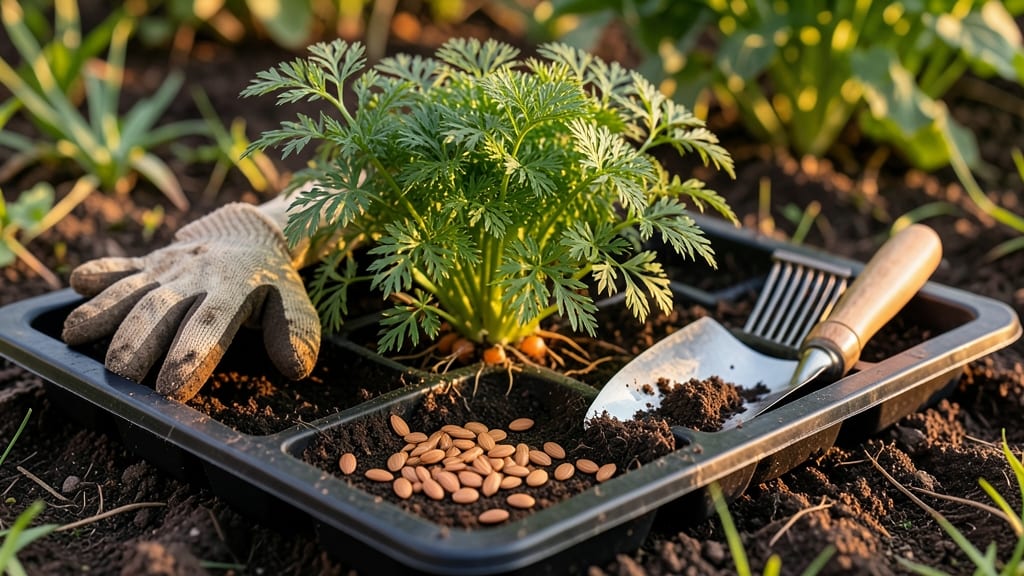
Timing your carrot seed planting in Zone 7 can make or break your harvest—get it wrong, and you’ll end up with bitter, tough roots or bolting plants before they even mature.
The key lies in understanding your local frost-free window and soil temperatures, which vary more than you might think across Zone 7a-7b.
Most gardeners in this zone rush to plant 🥕 seeds too early, only to watch them rot in cold soil or bolt in summer heat. But with the right schedule—early spring and late summer—you can enjoy crisp, sweet carrots from June through October.
Let’s break down the exact windows and secrets to success.
Why does this matter? Because carrots are finicky about temperature: seeds need 60–75°F soil to germinate, and roots develop best in cooler weather. If you plant too soon, frost will kill seedlings; too late, and you’ll miss the harvest window before winter sets in.
In this guide, I’ll show you how to align your planting with Zone 7’s climate, including succession planting tips to extend your harvest and avoid common pitfalls. Ready to grow your best crop yet?
Zone 7 carrot planting calendar: best months & frost-free deadlines
Carrots thrive in Zone 7 when planted during two key windows: early spring (right after the last frost) and late summer (for a fall harvest).
The average last frost date in Zone 7 falls around mid-April, but this can shift by 2–3 weeks depending on whether you're in the Appalachian Mountains or the Midwestern plains. Always check your local Almanac’s frost dates—I’ve planted too early only to lose seedlings to late frosts!
For spring plantings, aim to sow seeds 2–4 weeks before your last frost date. In most of Zone 7, this means early March to mid-April.
Carrots grow best when soil temps hit 60°F+, so don’t rush—wait for consistent warmth. Fall plantings should happen 8–10 weeks before your first frost (typically early July to mid-August), giving roots time to mature before cold sets in.
Here’s the critical rule: Carrots bolt (go to seed) in heat, so avoid planting when daytime temps exceed 80°F. In Zone 7’s summer, that means skipping June plantings unless you use shade cloth or choose heat-tolerant varieties like ‘Danvers Half Long’ or ‘Nantes’.
🌱 Pro Tip: Use a frost calendar from your local extension office—Zone 7 spans diverse microclimates, and even a 10-mile difference can shift your planting window by a week.
| Planting Window | Zone 7 Average Dates | Soil Temp Requirement | Key Notes |
|---|---|---|---|
| Early Spring | Mid-March to Mid-April | 60–75°F | Plant after last frost; harvest June–July. |
| Late Summer | Early July to Mid-August | 55–65°F | Avoid heat waves; harvest Sept–Oct. |
| Succession Planting | Every 2–3 weeks | 60–70°F | Extend harvests; plant until July 15. |
Zone 7 gardeners often overlook succession planting—the secret to a steady carrot supply. By sowing seeds every 2–3 weeks from March through mid-July, you’ll enjoy fresh carrots from June through October. I’ve used this method for years, and it’s saved me from bolting disasters in August!
If you’re in Zone 7a (cooler microclimates like the Appalachians), push spring plantings to late March to avoid late frosts. For Zone 7b (warmer areas like parts of Missouri or Kentucky), you can start as early as February under row covers or in a greenhouse.
Always test soil temps with a soil thermometer—carrot seeds won’t germinate below 50°F, and slow starts lead to uneven growth.
🌿 Warning: Planting too late in summer (after August 15) risks carrots maturing before frost. In my garden, September-planted carrots often stay small and woody—better to harvest early or use quick-maturing varieties like ‘Paris Market’ (50 days to harvest).
For a foolproof schedule, mark your calendar with these Zone 7 deadlines:
- Last frost date (plant 2 weeks before).
- 80°F+ threshold (avoid planting after this).
- First frost date (harvest 4 weeks before). Use these to calculate your 120-day growing window—carrots need this to reach full size before cold sets in.
🥕 Example: If your first frost is October 15, your last planting should be September 1 to ensure a harvest before cold weather. Adjust for your specific location—my neighbor in Lexington plants until July 20, while I stop by July 10 in cooler eastern Kentucky.
Soil temperature & carrot seed germination: the hidden factor most gardeners miss
Most gardeners focus on air temperature when planting carrots, but soil temperature is the real game-changer for germination. Carrot seeds need soil temps between 60–75°F to sprout reliably—any cooler, and you’ll face slow or uneven germination.
In Zone 7, this means waiting until late March or early April for spring plantings, even if air temps feel mild.
Cold soil (below 55°F) can leave seeds dormant for weeks, while soil above 80°F may cause them to bolt prematurely. The key is testing your soil’s warmth before planting.
Use a soil thermometer or press your hand into the soil—if it feels lukewarm (like a fresh cup of tea), it’s ready.
Here’s the hidden secret: In cooler Zone 7 springs, I often wait until mid-April for my first planting, even if the last frost passed earlier.
This ensures the soil stays consistently warm enough for germination. For fall plantings, aim for late July to early August when soil temps start cooling.
🌱 Key Takeaway: Soil Temp Rules for Carrot Seeds
✅ Ideal Soil Temp: 60–75°F for germination
❌ Too Cold (<55°F): Seeds rot or fail to sprout
❌ Too Hot (>80°F): Risk of bolting (flowering early)
🔍 Test Soil: Use a thermometer or hand test (lukewarm = ready)
Pro Tip: Cover seeds with black plastic mulch for 1–2 weeks to warm the soil faster in spring.
If your soil is too cold for planting, try these tricks: Use row covers or plant in a warm microclimate (like near a south-facing fence). For rocky or compacted soil, mix in compost or sand to improve drainage and warmth.
I’ve even had success planting in raised beds, which warm up faster than in-ground soil.
Remember, carrots are cool-season crops, so they’ll tolerate light frosts after germination. But if soil temps drop below 50°F during the day, germination will stall. Always monitor your soil—it’s the difference between a thriving patch and a failed crop.
For Zone 7 gardeners, I recommend planting Danvers or Nantes varieties in spring—they handle cooler soils better than heat-loving types. And if you’re in a warmer microclimate (like near pavement), wait until soil temps drop below 75°F for fall plantings to avoid bolting.