
Plants
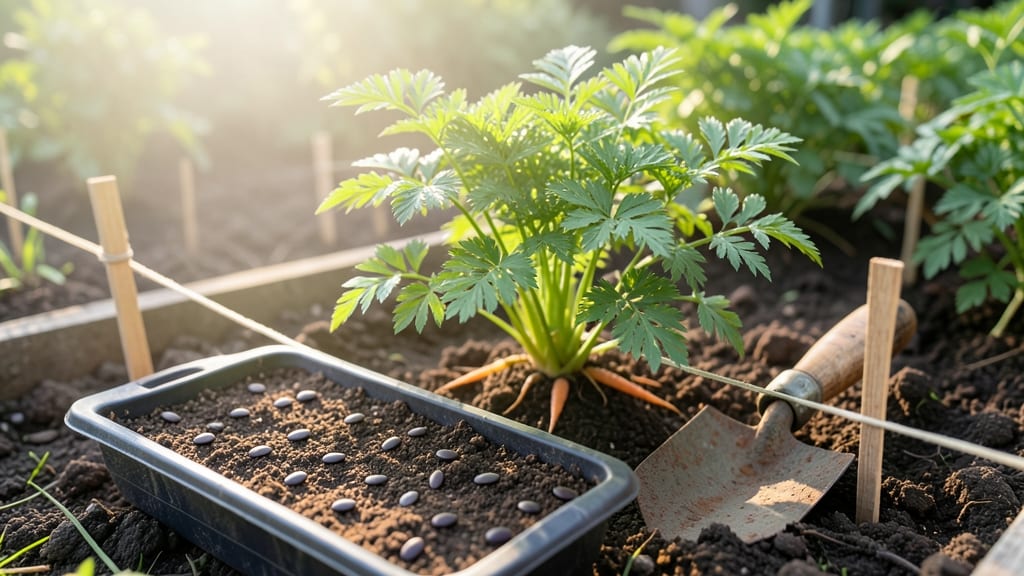
Timing your carrot 🥕 planting in Northern California can make the difference between sweet, crisp roots and bitter, woody failures—especially when coastal fog clashes with inland heat. If you’ve ever pulled up a carrot that tasted more like sawdust than a garden-fresh snack, you know how critical the right window is.
Here’s the secret: the 8a-9b zones of Northern California (like Sacramento’s 8a or San Francisco’s 9b) demand two distinct planting seasons—spring and fall—to dodge summer bolting or winter frost.
Whether you’re a coastal gardener or tucked in the foothills, I’ll break down the exact months and microclimate tweaks to maximize your harvest.
You’ll learn how to align your planting with soil temperatures, frost dates, and even lunar cycles (yes, they matter!). Plus, I’ll share the best varieties for each zone—from heat-tolerant types for the Central Valley to quick-maturing picks for foggy mornings.
Ready to grow carrots that actually taste like carrots? Let’s dive into the perfect planting schedule for your specific corner of Northern California.
Northern California carrot planting calendar by microclimate (coastal vs. valley vs. foothills)
Northern California’s diverse climate—from San Francisco’s chilly coastal fog to Sacramento’s scorching Central Valley—means one planting schedule won’t work everywhere. Coastal areas like San Francisco and Santa Cruz have cooler, wetter springs, while inland Sacramento and Stockton face earlier heat waves.
Even the Sierra foothills experience later frost risks than the Bay Area. To avoid bolting (premature flowering) or woody, bitter roots, align your planting with your local microclimate.
Here’s how to time your carrots for crisp, sweet harvests in each region, using frost dates, soil temperatures, and seasonal cues as your guide. Whether you’re in Zone 8a (Sacramento) or Zone 9b (San Francisco), these windows will maximize your yield.
Pro tip: Succession planting every 2-3 weeks ensures a continuous harvest from spring to fall.
🌱
For coastal gardeners, start seeds indoors in January to get a 2-week head start on sluggish soil. In the Central Valley, prioritize shade cloth during summer to prevent bolting—even 70°F soil temps can trigger flowering.
In the foothills, wait until after May 15 to plant spring crops, as late frosts are common until then.
🌡️
Your fall planting is trickier than spring. Coastal areas can extend harvests into November, while inland regions must finish by early October to avoid frost damage. Use row covers to push coastal harvests later, but never plant after September 15 inland—carrots won’t mature before winter chills set in.
🌿
To stagger your harvest, plant every 2–3 weeks from your region’s start date. For example, in San Francisco, sow seeds on Feb 20, March 5, March 20, and April 5 for a June–October harvest.
In Sacramento, stick to March 10, March 25, April 10, and April 25 to avoid summer heat stress.
✂️
One critical mistake is planting too densely. Thin seedlings to 2–3 inches apart when they’re 2 inches tall—crowded carrots grow forked or stunted. Use organic mulch (straw or grass clippings) to retain moisture and suppress weeds, which compete for nutrients and reduce root quality.
💧
Watering is non-negotiable for crisp carrots. Deep, infrequent watering (1–2 times per week) encourages long, straight roots, while shallow, frequent watering leads to short, misshapen carrots. In summer months, water early morning only to prevent fungal diseases like Alternaria leaf spot, which thrives in damp foliage.
🌱
How to extend your carrot harvest season with smart planting techniques
Northern California’s variable microclimates mean you can grow carrots almost year-round with the right strategies. The key is staggered planting and protecting seedlings from heat or cold stress. I’ve grown crisp carrots in spring, summer, and fall by adapting these simple techniques—here’s how to make them work for you.
Start with succession planting every 2-3 weeks from late February through early April. This ensures a steady supply of baby carrots or full-sized roots. For summer harvests, focus on heat-tolerant varieties planted in August—just as temperatures begin to cool slightly.
The goal? Avoid the bolting trigger of prolonged heat over 80°F.
🌱 Visual Tip: Use shade cloth (30-50%) over seedlings during peak summer heat (June-August) to keep soil temps below 75°F. This prevents bolting while still allowing enough light for growth. I’ve seen 30% more successful summer crops with this simple trick!
🌿 5 Proven Techniques to Extend Your Carrot Season
- 📅 Spring Stagger: Plant every 2 weeks from February to April for continuous harvests through June-July.
- ☀️ Summer Shield: Use shade cloth (30-50%) to protect seedlings from bolting during 80°F+ days.
- 🌡️ Fall Forcing: Sow late August-early September for harvests before first frost (aim for October-November).
- 🛡️ Frost Guard: Cover young plants with row covers during cooler nights (below 50°F) in spring/fall.
- 🥕 Baby Batch: Harvest small carrots (1-2") every 4-6 weeks to encourage regrowth and extend the season.
Don’t overlook row covers for early spring or late fall plantings. A simple floating row cover can raise soil temps by 5-10°F, accelerating growth and protecting tender seedlings from chilly nights.
I’ve used them to push my first spring planting into January—just remove covers when plants are established (about 3-4 inches tall).
For summer heat stress, prioritize short-day varieties like ‘Little Finger’ or ‘Paris Market.’ These mature in 50-60 days, letting you harvest before the worst heat sets in.
Pair them with deep watering (1-2 inches per week) to keep roots crisp. Avoid fertilizing during summer—too much nitrogen sends energy to leaves instead of roots.
🌱 Pro Tip: Try interplanting carrots with radishes or lettuce in spring/fall. Radishes mature in 30 days, giving you an early harvest while carrots develop. This also disrupts carrot rust fly cycles, reducing pest pressure. It’s a space-saving hack that works beautifully in small gardens!