
Plants
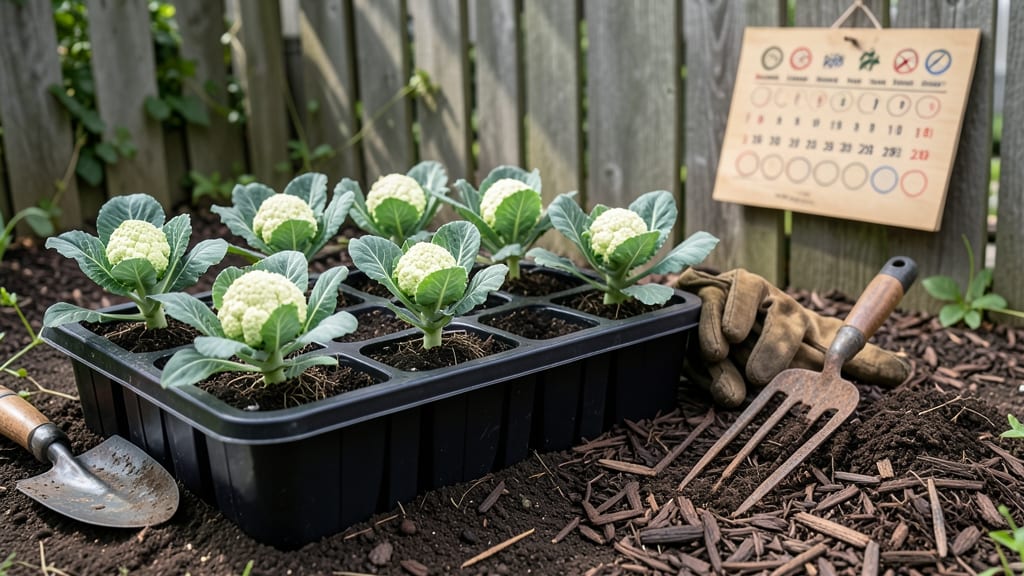
Optimal cauliflower planting times in Zone 7: spring vs. fall schedule
In Zone 7, timing is everything when growing cauliflower. This cool-season crop thrives when temperatures hover between 50°F and 75°F, making early spring and late summer/fall your best planting windows.
Missing these windows can lead to bitter heads or poor yields, so let’s break down the exact schedule to maximize your harvest.
For spring planting, aim to sow seeds or transplant seedlings 6-8 weeks before your last frost date. In Zone 7, that’s typically late February to early March. This gives your plants enough time to mature before summer heat sets in.
Meanwhile, fall planting should happen 10-12 weeks before your first frost, which usually means mid-August to early September.
Here’s the key difference: Spring cauliflower matures in June-July, while fall varieties are ready by October-November. Both seasons offer sweet, tender heads, but the approach differs slightly. Let’s compare your options in detail.
| Planting Window | Ideal Months | Temperature Range | Days to Maturity | Harvest Time |
|---|---|---|---|---|
| Spring Planting | Late February - Early March | 50°F - 70°F | 75 - 100 days | June - July |
| Fall Planting | Mid-August - Early September | 55°F - 75°F | 60 - 80 days | October - November |
When planning your spring cauliflower, start seeds indoors 4-6 weeks before transplanting to give them a head start. Harden off seedlings for 7-10 days before moving them outdoors, and space them 18-24 inches apart to allow room for those large heads.
For fall crops, you can direct-sow seeds outdoors in late summer, but be prepared to use shade cloth if temperatures rise above 80°F.
One of my favorite tricks for Zone 7 gardeners is to plant early-maturing varieties like ‘Snowball Y’ or ‘Purple of Sicily’ in spring, followed by heat-tolerant types like ‘Cheddar’ or ‘Graffiti’ in fall. This succession planting strategy ensures a steady supply of fresh cauliflower all season long.
Don’t forget to monitor your soil temperature—cauliflower seeds won’t germinate well below 40°F. Use a soil thermometer to check, and consider a mini greenhouse or row covers if early spring soil is too cold.
This small investment can mean the difference between a thriving crop and a failed one.
For both spring and fall plantings, aim to have your cauliflower heads fully formed 2-3 weeks before the first hard frost. This gives you time to harvest before cold snaps damage the plants.
In Zone 7, that means early October for fall crops and late June for spring ones.
Pro tip: If you’re new to growing cauliflower, start with transplants instead of seeds. They’re easier to manage and give you a jump on the season. Just be sure to harden them off properly before planting outdoors to avoid transplant shock.
Finally, keep an eye on your local microclimate. Areas near large bodies of water or at higher elevations in Zone 7 may experience cooler temperatures, allowing for slightly later spring plantings or earlier fall harvests.
Always check your specific last frost date—it can vary by 1-2 weeks even within the same zone.
Optimal cauliflower planting times in Zone 7: spring vs. fall schedule
In Zone 7, cauliflower thrives when temperatures stay between 50°F and 75°F. Planting outside this range risks bitter-tasting heads or poor growth. The key is timing—both spring and fall plantings work, but each requires precise deadlines to align with your climate’s frost dates and maturity windows.
For spring plantings, aim to sow seeds 6–8 weeks before your last frost date (typically mid-March in Zone 7).
This gives plants enough time to mature before summer heat sets in. Fall plantings, on the other hand, need to start 10–12 weeks before the first frost (usually early September) to ensure harvests before winter chill arrives.
| Planting Window | Ideal Months | Temperature Range | Maturity Timeline |
|---|---|---|---|
| Spring Planting | March–April | 50°F–75°F | June–July |
| Fall Planting | August–Early Sept | 55°F–65°F | October–November |
If you’re starting seeds indoors, begin 4–6 weeks before transplanting outdoors. Use grow lights to maintain strong seedlings until soil temperatures warm to 40°F+. For direct sowing, wait until soil is at least 50°F to avoid poor germination.
Zone 7 gardeners often struggle with summer heat, which can stress cauliflower. To mitigate this, choose heat-tolerant varieties like ‘Cheddar’ or ‘Purple of Sicily’ for spring plantings. For fall, opt for early-maturing types like ‘Snowball Y Improved’ to finish before cold snaps.
Always monitor local frost dates—they can vary slightly by microclimate. Use a frost calendar or local extension service data to fine-tune your planting schedule. A 1–2 week buffer ensures you’re not caught off guard by unexpected cold snaps.
Pro tip: Mark your planting deadlines on a garden calendar. For Zone 7, aim to have cauliflower heads ready to harvest before temperatures drop below 40°F—this keeps them sweet and crisp.