
Trees
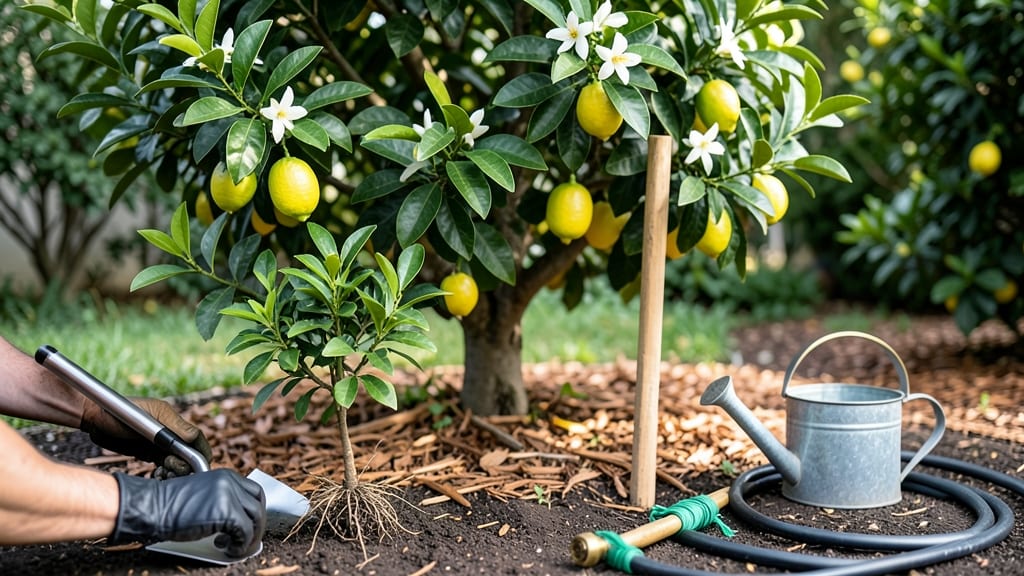
Knowing when to plant citrus trees in Zone 9 can make or break your 🍊 grove's success—because the wrong timing means weak roots and years of struggling with stunted growth.
Unlike colder climates, Zone 9's frost-free winters give you flexibility, but there's still a sweet spot for maximum root establishment and fruit production.
The best time to plant your citrus tree is during late winter or early spring, when soil temperatures are warming but extreme summer heat hasn't arrived yet.
This window gives young roots time to anchor before the intense sun of summer, while avoiding the stress of planting during peak heat. Even though Zone 9 rarely sees frost, the cooler months provide ideal conditions for transplant shock recovery.
You might wonder why not just plant whenever you feel like it—after all, citrus trees are tough. But the truth is, planting in the wrong season can lead to shallow root systems that struggle to support your tree's growth.
I'll show you exactly how to time your planting for the strongest possible start, whether you're working with container-grown saplings or bare-root trees.
Let's break down the science behind Zone 9's planting calendar, including how to prepare your soil and spot common mistakes that could derail your citrus tree's success before it even begins bearing fruit.
Optimal planting windows for citrus trees in Zone 9 by variety
Zone 9’s Mediterranean climate gives you year-round planting flexibility for citrus trees, but timing still matters for root establishment and fruit production. Unlike colder zones, you won’t face frost damage, but heat stress and water availability dictate the best windows.
For container-grown citrus, you can plant almost anytime, but bare-root or balled-and-burlapped trees thrive best when soil temperatures stay mild.
My top recommendation? Late winter to early spring (February–April) delivers the perfect balance of cool roots and warming air. This aligns with citrus’s natural growth cycle and avoids summer heat shock.
However, if you’re planting dwarf varieties in containers, fall (September–November) works too—just protect them from winter chill if temps dip below 40°F.
Here’s how to break it down by citrus variety and seasonal priorities:
| Variety | Best Planting Window | Why This Timing? | Avoid Planting When |
|---|---|---|---|
| Sweet Oranges (e.g., Valencia, Navel) | February–March | Cooler soil temps reduce transplant shock; aligns with natural bloom cycle. | June–August (peak heat stress) |
| Lemons (e.g., Eureka, Meyer) | January–February or September–October | Early spring for root growth; fall for container plants to avoid winter chill. | April–May (high water demand) |
| Limes (e.g., Key Lime, Persian) | March–April | Warmer soil speeds root zone colonization; avoids summer pests. | November–December (dormancy risk) |
| Grapefruit (e.g., Ruby Red, White) | February–March | Cooler temps reduce stress; aligns with flowering for next year’s fruit. | July–August (fungal pressure) |
| Dwarf Varieties (Containers) | Year-round (best in fall/winter) | Containers dry out faster; cooler temps reduce watering needs. | Summer (requires daily watering) |
For container citrus, I’ve planted Meyer lemons in December without issues—they thrive in indoor pots near south-facing windows until spring. However, if you’re planting in-ground trees, prioritize February–April to avoid summer heat stress during the critical 60-day root establishment period.
Pro tip: Check soil temperatures before planting. Citrus roots struggle below 60°F or above 90°F. Use a soil thermometer to confirm ideal conditions—especially for balled-and-burlapped trees.
If you miss the spring window, don’t panic! Fall planting (September–October) is your second-best option, but mulch heavily to protect roots from winter chill. I’ve seen Valencia oranges planted in November thrive with 3 inches of straw mulch and drip irrigation.
One common mistake? Planting citrus in summer for instant shade. While it’s possible, transplant shock and water stress often kill young trees. If you must plant in summer, shade-cloth and daily watering are non-negotiable.
🌱
Optimal planting windows for citrus trees in Zone 9 by variety
Zone 9’s mild winters and warm summers create a near-perfect climate for citrus trees, but planting timing still matters to avoid heat stress or root shock.
Unlike colder zones, you can plant citrus year-round, but late winter through early spring (January–March) is ideal for best root establishment before summer’s peak heat.
For container-grown citrus, you can transplant anytime, but bare-root trees thrive when planted in cooler months (November–February). This gives roots time to establish before summer’s intensity.
In Zone 9’s Mediterranean climates, like Southern California or Arizona, avoid planting during extreme summer heat (June–August), as young roots struggle to absorb water efficiently.
🌱 Citrus Planting Timeline for Zone 9
| Variety | Best Planting Months | Key Consideration |
|---|---|---|
| Oranges (Valencia, Navel) | January–March | Slow growth in summer; plant before heat spikes. |
| Lemons (Eureka, Meyer) | November–February | Meyer lemons tolerate slight heat but prefer cooler starts. |
| Limes (Bearss, Key) | January–April | Drought-sensitive; establish roots before dry season. |
| Grapefruit (Ruby Red, White) | December–February | Large root systems need time to spread before summer. |
If you must plant in summer (June–August), prioritize container-grown trees with established root balls and provide daily shade cloth during the hottest hours. Dwarf varieties like Meyer lemons or Calamondin oranges adapt better to heat than standard-sized trees.
For bare-root citrus, soak roots in water for 1–2 hours before planting to reduce transplant shock. Zone 9’s minimal frost risk means you can plant year-round, but spring planting (March–April) offers the best balance of warm soil and moderate temperatures for root growth.
Pro tip: Test soil temperature before planting—ideal ranges are 60–75°F. Use a soil thermometer to avoid planting when ground is too hot (above 85°F), which can burn young roots.