
Plants
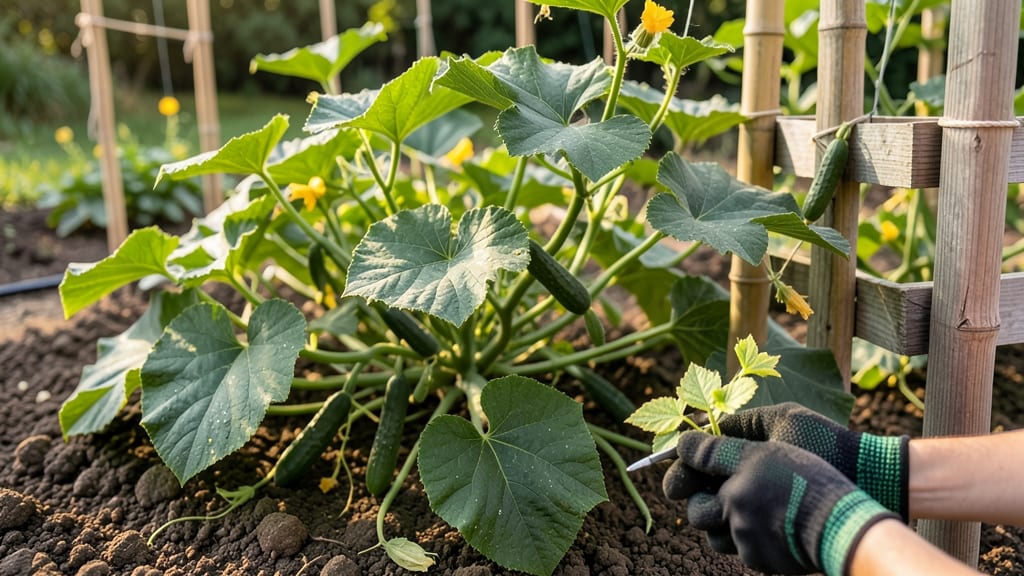
Knowing when to plant cucumbers in Zone 9b can mean the difference between a bountiful harvest and struggling vines in the desert heat. The key isn't just about the calendar—it's about understanding your local microclimate and soil temperatures that trigger rapid growth.
In Zone 9b (think Southern California, Phoenix, or Las Vegas), your best bets are late winter to early spring or fall planting. That means February-March for spring harvests or September-October for fall's cooler weather.
These windows help cucumbers 🥒 avoid the brutal summer heat while still giving you fresh produce before winter sets in.
But here's the catch: cucumbers hate cold soil. Wait until temperatures hit 60°F before planting, and consider black plastic mulch to warm the ground faster in desert areas. This simple trick can shave weeks off your growing season and give your plants the jumpstart they need.
I'll walk you through the exact timing, heat-tolerant varieties that thrive here, and pro tips to keep your cucumbers producing all season long—no bitter surprises included. Let's get those seeds in the ground at the perfect moment.
Optimal planting windows for cucumbers in Zone 9b’s hot climate
Zone 9b’s long, hot summers and mild winters create two prime cucumber planting windows: early spring and late summer/fall. The key is avoiding peak summer heat (June–August), when temperatures often exceed 95°F, causing cucumbers to become bitter or bolt prematurely.
Timing your plantings around soil temperature (ideal: 60–70°F) and rainy season shifts is critical.
For spring plantings, aim for February to early March in most of Zone 9b. This gives seedlings time to establish roots before April’s heat spike, while still allowing a harvest before summer’s worst.
In desert microclimates (like Phoenix), wait until late March to avoid soil overheating. Coastal areas (e.g., San Diego) can plant 2 weeks earlier due to cooler ocean breezes.
Your fall planting window is the sweet spot for Zone 9b cucumbers. Start seeds or transplant mid-to-late August (after the monsoon season’s peak) through early October. This ensures harvests before the first frost (typically mid-December) and avoids scorching midday sun.
In high-desert areas (e.g., Las Vegas), push planting to September to escape 100°F+ days.
🌱 Zone 9b Cucumber Planting Timeline
| Season | Planting Window | Soil Temp | Harvest Window | Notes |
|---|---|---|---|---|
| Spring | Feb 15–Mar 15 | 60–70°F | Apr–Jun | Avoid June heat; use shade cloth if needed. |
| Fall | Aug 15–Oct 1 | 65–75°F | Sep–Nov | Best for heat-tolerant varieties; mulch heavily. |
| Late Fall (Coastal) | Sep 20–Oct 15 | 60–68°F | Oct–Dec | Extend season with row covers. |
Direct sowing vs. transplanting depends on your local microclimate. In cooler inland valleys (e.g., Temecula), you can direct sow seeds 2 weeks earlier than transplanting, as seedlings tolerate soil cooling better.
However, in urban heat islands (e.g., Phoenix), transplanting 4–6 week old seedlings in late February or September gives them a head start against soil-borne diseases like powdery mildew.
Adjust your planting dates based on local weather patterns. Use a soil thermometer to confirm 60°F+ soil temps before planting—cucumber seeds won’t germinate below 55°F. In desert areas, black plastic mulch can raise soil temps by 5–10°F, allowing earlier plantings.
Conversely, shade cloth (30–50%) can delay spring plantings by 2–3 weeks in full-sun microclimates.
For container growing, start seeds indoors 3–4 weeks before your outdoor planting window. Use biodegradable pots to avoid root disturbance when transplanting. Containers dry out faster in Zone 9b’s heat, so schedule morning watering and self-watering systems to maintain consistent moisture.
Place pots in partial shade (e.g., under a patio umbrella) during June–August to prevent fruit bitterness.
Monitor humidity levels—Zone 9b’s low humidity (especially in deserts) stresses cucumbers. Increase air moisture with mulch (straw or grass clippings) or drip irrigation to keep leaves hydrated.
Avoid overhead watering, which can spread fungal diseases like downy mildew. If your area experiences monsoon rains (July–September), adjust planting dates to post-rain for better soil moisture.
Pro tip: Succession plant every 2 weeks during your optimal windows to ensure a continuous harvest. For example, plant one batch in late February, another in mid-March, and a final fall batch in early September. This staggered approach maximizes your harvest season while avoiding overcrowding.
Remember, Zone 9b’s climate varies dramatically—what works in humid coastal San Diego may fail in arid Palm Springs. Always test your soil, observe local weather, and adjust your schedule accordingly. With the right timing, you’ll enjoy crisp, sweet cucumbers from spring
Optimal planting windows for cucumbers in Zone 9b’s hot climate
In Zone 9b, cucumbers thrive when planted during the cooler months—either late winter to early spring (February–March) or early fall (September–October). These windows avoid the peak summer heat (June–August), which can stress plants and lead to bitter fruit or poor germination.
Timing is critical because cucumbers are heat-sensitive during early growth stages.
For a spring harvest, start seeds indoors 4–6 weeks before your last frost date (typically mid-January in Zone 9b). Transplant seedlings outdoors once soil temperatures hit 60°F and nighttime temps stay above 55°F.
In desert climates like Phoenix, use black plastic mulch to warm the soil faster and jumpstart growth.
| Planting Window | Action | Soil Temp | Notes |
|---|---|---|---|
| Late Winter (Feb–March) | Direct sow or transplant | 60°F+ | Harvest by June before summer heat |
| Early Fall (Sept–Oct) | Direct sow or transplant | 65°F+ | Avoid frost; harvest by Dec |
| Avoid Summer (June–Aug) | N/A | Too hot | Plants bolt or produce bitter fruit |
If you’re growing in coastal areas (like Southern California), you can extend the fall window into early November, but protect seedlings with row covers if frost threatens. In inland deserts, prioritize shade cloth (30–50%) during July–August to prevent wilting.
Always monitor soil moisture—cucumbers need 1–2 inches of water weekly, but desert soils dry out fast.
For container gardening, start seeds in biodegradable pots 3–4 weeks before transplanting to avoid root disturbance. Place containers in partial shade during peak afternoon heat (1–4 PM) to prevent stress. Dwarf varieties like ‘Bush Champion’ are ideal for pots and tolerate urban heat islands better than vining types.
Pro tip: Use a soil thermometer to confirm 60°F+ soil temps before planting. Cooler soils delay germination, and cucumbers won’t thrive if they’re struggling to establish roots. In microclimates (e.g., shaded backyards vs. sunny patios), adjust planting dates by 1–2 weeks—shadier spots can handle slightly later starts.
By nailing these planting windows, you’ll avoid the Zone 9b heat trap and enjoy crisp, sweet cucumbers twice a year—once in spring and again in fall. The key is patience and preparation, not rushing into summer’s furnace. 🥒