
Plants
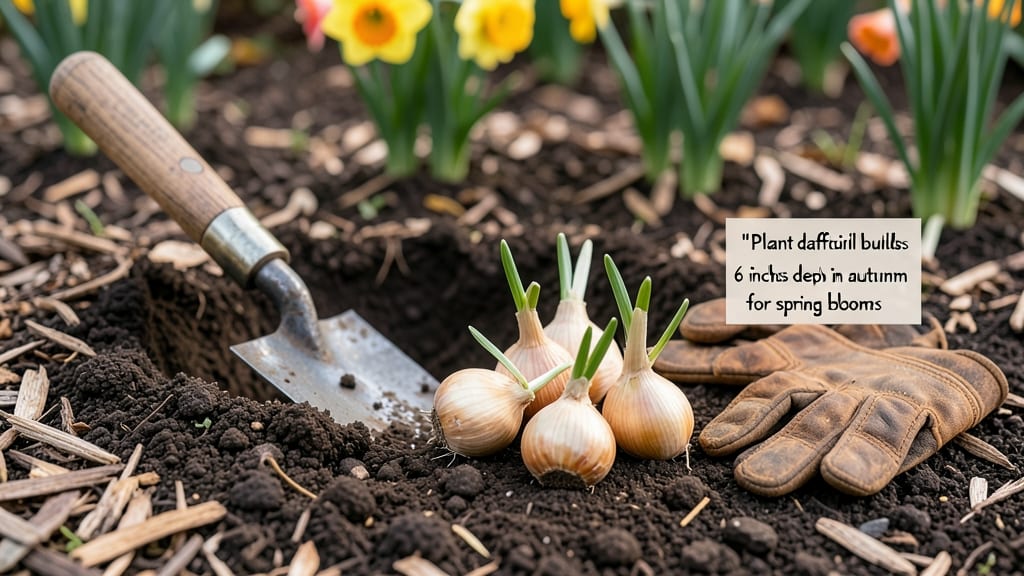
Planting daffodil bulbs in Wisconsin at the wrong time can mean the difference between a vibrant spring garden and wasted effort. With Wisconsin's unpredictable frost dates, timing is everything—especially in Zones 4b-5b where early freezes are common.
Most gardeners assume fall planting is a one-size-fits-all approach, but the 6-week window before ground freezes (typically late October to early November) is critical. Plant too early, and bulbs may rot; too late, and they won’t establish roots before winter. The key is balancing soil temperature and frost forecasts.
In this guide, I’ll break down the exact month-by-month timeline for Wisconsin, including soil prep tips and backup strategies for delayed planting. Whether you’re a first-time gardener or a seasoned pro, these insights will help you avoid common mistakes and ensure your 🌼 bloom on schedule.
Let’s dive into the frost-free planting window that guarantees your daffodils will push through the snow and greet spring with bright, cheerful color. You’ll learn how to read Wisconsin’s climate cues and adjust your planting plan for maximum success.
Wisconsin daffodil planting timeline by hardiness Zone (4b vs 5b)
Wisconsin’s USDA Zones 4b and 5b create a tight window for planting daffodil bulbs—typically 6-8 weeks before the ground freezes. In Zone 4b (colder), this means planting between mid-September and mid-October, while Zone 5b (warmer) extends the window until late October or early November.
Miss this window, and your bulbs won’t establish roots before winter, delaying—or even preventing—spring blooms.
Daffodils thrive when soil temperatures drop to 40°F or below, signaling dormancy. In Wisconsin, this usually happens in late September to early October, but unpredictable weather demands flexibility.
Check your local frost dates—Wisconsin’s first frost typically arrives between mid-October (Zone 4b) and late October (Zone 5b), leaving just enough time for bulbs to root before the ground locks up.
To avoid guesswork, use the "6-8 week rule": Count backward from your area’s average first frost date. For example, if frost hits October 15th, plant bulbs by September 1st.
This ensures roots form before winter sets in, giving your daffodils the energy to push through snow for early spring blooms.
| Zone | Ideal Planting Window | Soil Temp Threshold | Frost Risk |
|---|---|---|---|
| 4b | Mid-September to Mid-October | 40°F or below | High (first frost: mid-October) |
| 5b | Late September to Early November | 40°F or below | Moderate (first frost: late October) |
Wisconsin’s unpredictable weather complicates timing. In 2022, for example, early snow in early October forced gardeners in Zone 4b to plant by September 1st, while Zone 5b had until November 1st due to warmer soil.
Always have a backup plan: Store bulbs in a cool, dark place (like a garage) and plant them as soon as soil temps drop.
For staggered blooms, plant a mix of bulbs in early October and late October. This ensures some daffodils bloom in early spring while others follow weeks later.
In Zone 4b, ‘Ice Follies’ and ‘Tête-à-Tête’ varieties are reliable early bloomers, while ‘Thalia’ and ‘Carlton’ shine in Zone 5b’s milder winters.
If you’re in a microclimate—like a sheltered south-facing slope—you might push planting to early November. However, avoid planting after the first frost, as frozen soil prevents root growth. Test soil readiness by pushing a screwdriver into the ground: If it goes in easily, it’s time to plant.
Late plantings can still work if you chill bulbs for 6-8 weeks before planting. Store them in a paper bag in the fridge (not the freezer) to mimic winter conditions. This trick buys you 2-3 extra weeks in Zone 4b’s short season.
Remember: Daffodils are deer-resistant, making them a smart choice for Wisconsin gardens where deer browse. Plant them in clumps of 5-7 bulbs for dramatic spring displays. Mulch with straw or shredded leaves after planting to insulate bulbs from freeze-thaw cycles.
Finally, mark your planting date on a calendar. Wisconsin’s short frost-free season (about 165 days) means every day counts. With the right timing, your daffodils will reward you with cheerful blooms just as winter’s grip loosens.
5 Signs your Wisconsin soil is Ready for daffodil bulbs (and what to do if it’s not)
Wisconsin’s clay-heavy soil and unpredictable fall frosts can turn daffodil planting into a guessing game. But don’t worry—I’ll show you how to check your soil’s readiness using simple, foolproof methods.
The key is soil temperature, workability, and moisture balance—all of which tell you whether your bulbs will thrive or struggle.
First, grab a soil thermometer (just $10 at garden centers) and test your soil’s temperature. Daffodil bulbs need 40°F or warmer to root properly. If it’s cooler, wait—planting in cold soil causes rot.
In Wisconsin’s Zone 4b-5b, this usually means waiting until late September to mid-October, but early frosts can push that window earlier.
Next, dig a 6-inch-deep hole—the same depth you’ll plant your bulbs. If the soil crumbles easily between your fingers, it’s ready. If it’s rock-hard or sticky, amend it with compost or sand (Wisconsin’s clay benefits from 20% sand or perlite).
Pro tip: Mix in a handful of bone meal (1 tbsp per hole) for extra phosphorus to boost root growth.
Moisture is another critical sign. Stick your finger 2 inches deep—if it feels damp (like a wrung-out sponge) but not soggy, your soil is perfect. Too wet? Wait until the top inch dries out.
Too dry? Water deeply 24 hours before planting to help bulbs settle without air pockets. Remember, daffodils hate waterlogged soil, which is common in Wisconsin’s wet springs.
Watch for earthworms! Active worms mean your soil is warm, aerated, and teeming with life—ideal for bulbs. If you see none, your soil may still be too cold.
Also, check for last year’s plant debris. Clear away dead leaves or grass clippings, as they can harbor fungal diseases that threaten new bulbs.
If your soil fails any of these tests, don’t panic. You can still plant early by pre-chilling bulbs (store them in the fridge for 4-6 weeks) or using mulch (straw or shredded leaves) to insulate the soil.
Just avoid planting if frost is forecast within 2 weeks—daffodils need time to root before winter sets in.
Once your soil passes these checks, plant your bulbs 6-8 weeks before the first frost (typically mid-October in Wisconsin). Water them in, and you’re set for vibrant spring blooms—no more second-guessing! 🌼