
Plants
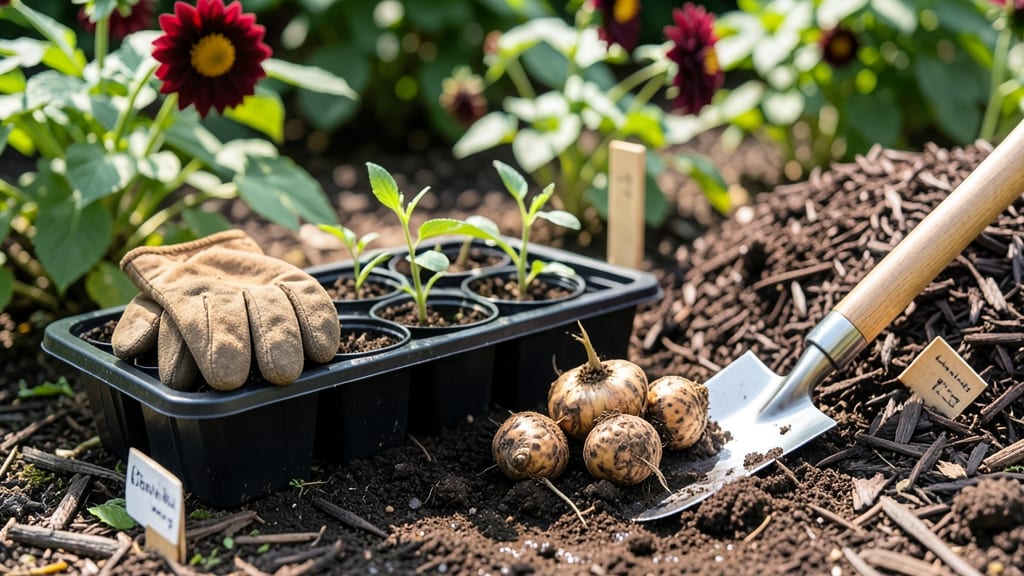
Timing your dahlias planting in Georgia isn't just about the calendar—it's about soil warmth, microclimates, and avoiding that heartbreaking late frost. If you've ever watched your tubers rot in chilly ground or struggled with stunted growth, you know how critical this window is for those 🌼 blooms you're dreaming of.
Georgia's diverse zones—from the Piedmont's rolling hills to the Coastal Plains' humidity—create planting deadlines that can shift by weeks.
The key isn't just waiting for May 1st; it's tracking when your soil hits 60°F for two weeks straight, a threshold that can vary by 10-14 days depending on your exact location.
Here's what you'll discover: how to use frost dates as your first guide, then adjust for your garden's specific microclimate. I'll walk you through the 3-step process of preparing soil, planting tubers at the perfect depth, and even troubleshooting common mistakes that Georgia gardeners make.
Whether you're a first-time grower or a seasoned pro, these insights will help you transform your garden into a summer-long dahlia paradise—without the guesswork. Let's get those tubers in the ground at just the right moment.
Georgia’s ideal dahlias planting window based on soil temperature
Dahlias thrive when planted after Georgia’s last frost and when soil temperatures consistently reach 60°F—a critical threshold for tuber growth. In most of the state, this window opens around mid-April in the Coastal Plains but shifts to late April or early May in the cooler Mountain regions.
Understanding these soil warmth triggers ensures your dahlias establish roots before summer heat arrives.
Georgia spans USDA zones 7b-8b, but microclimates create variations. For example, Atlanta (Zone 7b) typically plants dahlias by April 15, while Savannah (Zone 8a) can start as early as March 20. Always check your local last frost date—planting too soon risks frost damage to tender tubers.
Key rule: Dahlias need 2+ weeks of soil temps above 50°F before planting. Use a soil thermometer to confirm readiness. In North Georgia’s cooler zones, wait until May 1 to avoid stunted growth.
| Region | USDA Zone | Planting Window | Soil Temp Threshold |
|---|---|---|---|
| Coastal Plains (Savannah, Brunswick) | 8a-8b | March 20 - April 15 | 55°F+ for 2 weeks |
| Piedmont (Atlanta, Macon) | 7b-8a | April 1 - April 30 | 60°F+ for 2 weeks |
| North Georgia (Blue Ridge, Dalton) | 6b-7a | May 1 - May 15 | 65°F+ for 2 weeks |
| Valley (Rome, LaGrange) | 7a-7b | April 15 - May 1 | 58°F+ for 2 weeks |
For container-grown dahlias, extend your window by 2-3 weeks—pots warm faster than ground soil. However, never plant tubers in cold, wet soil, as this invites rot. Amend your beds with compost to improve drainage and warmth retention.
Pro tip: Pre-sprout tubers indoors 4-6 weeks before your target planting date. Place them in paper towels with the neck (eye) facing up and keep in a warm, bright spot. Once sprouts reach 3-4 inches, they’re ready to transplant.
Missed the ideal window? Don’t panic. Dahlias planted by June 15 can still thrive, though they may bloom later. Just ensure they get full sun and consistent watering to compensate for the shorter growing season.
After planting, mulch heavily with straw or shredded leaves to lock in soil warmth. This mimics Georgia’s natural humid subtropical climate and protects tubers from temperature swings. Remove mulch in late summer to prevent fungal issues.
Remember: Dahlias are hungry feeders. Start fertilizing 2 weeks after planting with a balanced 5-10-10 mix. Side-dress with compost tea every 4-6 weeks for continuous blooms through October’s first frost.
How microclimates in Georgia shift dahlias planting dates
Georgia’s varied landscapes—from the Blue Ridge Mountains to the Coastal Plains—create microclimates that can shift your dahlias planting window by up to 4 weeks. Even within cities like Atlanta, urban heat islands can make soil warm enough for planting 2-3 weeks earlier than rural areas.
Understanding these shifts ensures your dahlias thrive without waiting too long.
In North Georgia (USDA Zones 7a-7b), cooler nights and higher elevations (like Dahlonega or Helen) often delay planting until late April or early May.
Meanwhile, in South Georgia (Zones 8a-8b), areas like Savannah or Valdosta may see soil warm enough by mid-March—but watch for late frosts that can linger into April.
Urban areas like Atlanta or Macon experience heat islands where asphalt and buildings trap warmth, allowing you to plant 1-2 weeks earlier than surrounding farmland. Use a soil thermometer to confirm 60°F+ soil temps before planting—this is your best guide, not just the calendar.
- 🏔️ Mountain Regions (North GA): Plant April 20-May 10 (soil warms slower; elevation delays).
- 🏙️ Urban Heat Islands (Atlanta/Macon): Plant April 1-May 1 (asphalt warms soil faster).
- 🌊 Coastal Plains (Savannah/Valdosta): Plant March 15-April 15 (warmer microclimates, but late frosts risk).
- 🌾 Rural Farmland (Piedmont): Plant April 10-May 1 (moderate delays; test soil temp).
Elevation plays a huge role: every 1,000 feet gain in altitude can delay planting by 1 week. For example, Ellijay (2,000 ft) may not be ready until May 1**, while Thomasville (200 ft) could start in mid-March.
Check local Cooperative Extension offices for hyper-local frost data—some areas have 10+ days of variance.
If you’re unsure about your microclimate, start dahlias in biodegradable pots indoors under grow lights 6-8 weeks before your target outdoor date. This buys time for slow-warming areas. Harden off seedlings for 7-10 days before transplanting to avoid shock from temperature swings.
Pro tip: Mulch heavily after planting to retain soil warmth—this can extend your planting window by 1-2 weeks in cooler microclimates. Use black plastic mulch for maximum heat retention in high-elevation areas.
Remember, dahlias need 90-120 days to bloom from tuber planting. If you push the deadline too far, you’ll miss summer displays. Balance your microclimate’s warmth with your last frost date—this is the golden rule for Georgia gardeners.