
Trees
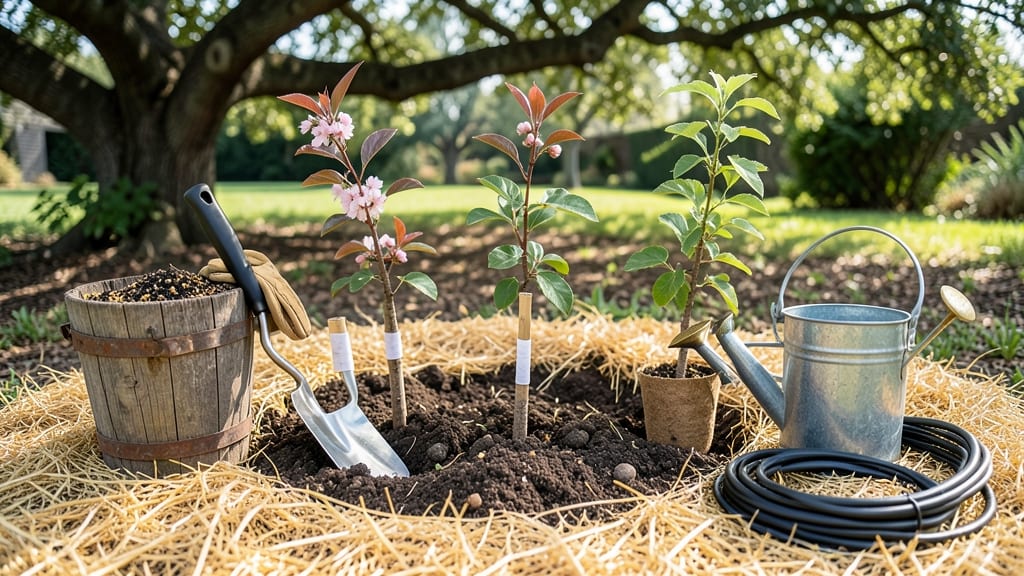
Planting your 🍎🍐🍑 fruit trees at the wrong time in Kansas could mean struggling saplings or wasted money. The key to success lies in understanding your USDA zone (5b-7a) and when the soil is primed for root growth—because timing directly impacts whether your trees thrive or fail.
If you're dreaming of homegrown apples, peaches, or plums, you'll want to plant during Kansas' two ideal windows: late winter to early spring (February-April) or fall (October-November). These periods give roots time to establish before extreme heat or cold sets in, setting your trees up for decades of fruitful growth.
But here's the catch: bare-root trees need to go in the ground before buds break in spring, while container-grown varieties offer more flexibility. I'll show you exactly how to match your fruit tree variety to Kansas' climate quirks—so you can avoid common pitfalls like frost damage or summer stress.
Let's break down the science behind planting dates, soil prep, and which fruit trees perform best in your backyard. By the end, you'll know exactly when to dig—and how to give your trees their best shot at success.
Kansas planting zones and best months for fruit trees
Kansas spans USDA hardiness zones 5b through 7a, meaning fruit trees must be planted at precise times to thrive. The ideal window is either late winter to early spring (for bare-root trees) or fall (for container-grown trees). This timing ensures roots establish before extreme heat or cold.
In Zone 5b (northwest Kansas), plant between March 15 and April 15 to avoid late frosts. Meanwhile, Zone 7a (southeast Kansas) can handle planting until April 30 safely. Fall planting works best from October 1 to November 15, giving roots time to settle before winter dormancy.
Bare-root trees are most vulnerable to transplant shock, so they need cool, moist soil (50-60°F) to recover. Container-grown trees, however, adapt better to fall planting because their roots stay intact. Always check your local last frost date—Kansas ranges from March 15 to April 15—to time planting perfectly.
| Zone | Best Planting Window | Soil Temp | Notes |
|---|---|---|---|
| 5b | March 15–April 15 (spring) or October 1–November 1 (fall) | 50–60°F | Avoid late frosts; prioritize bare-root trees |
| 6a | March 20–April 30 (spring) or October 15–November 10 (fall) | 50–65°F | Container-grown trees adapt well to fall planting |
| 7a | April 1–April 30 (spring) or October 15–November 15 (fall) | 55–70°F | Longer growing season; extend fall planting |
Spring planting is ideal for bare-root trees because they enter dormancy naturally. Dig a hole twice as wide as the root ball but no deeper, then water thoroughly.
For container-grown trees, fall planting lets roots establish before winter stress. Always amend soil with compost or organic matter to improve drainage.
Microclimates in Kansas—like urban heat islands or sheltered valleys—can shift planting windows by 1-2 weeks. Monitor your local weather forecasts and adjust timing if frost is predicted. In Zone 5b, for example, a late frost could delay spring planting until mid-April to protect tender roots.
If you miss the ideal window, container-grown trees can be planted in early December (before ground freezes), but avoid transplanting after January 1—roots won’t recover in time for spring growth. For bare-root trees, late spring planting (after May 1) risks heat stress and poor root establishment.
Kansas’ drought-prone summers mean newly planted trees need deep, consistent watering (15-20 gallons weekly) for the first year. Mulch around the base to retain moisture and regulate soil temperature. Avoid planting near large trees or structures that compete for water or cast shade.
For dwarf varieties, which are popular in urban gardens, follow the same timing but use a smaller planting hole (just wider than the root ball). These trees mature faster, so precise planting ensures they bear fruit in 3-5 years instead of 5-10.
Always choose varieties like ‘Honeycrisp’ apples or ‘Elberta’ peaches, which thrive in Kansas’ climate.
Finally, mark your calendar for annual pruning in late winter (February) to shape the tree and remove dead wood. This prepares it for the next planting season and encourages strong root growth. With the right timing, your fruit trees will flourish for decades—yielding homegrown harvests year after year.
Critical factors that determine planting success in Kansas
Planting fruit trees in Kansas isn’t just about picking a month—it’s about understanding soil temperature, frost dates, and microclimates that can make or break your young tree’s survival.
Kansas’ USDA zones 5b-7a mean temperatures swing wildly, from -15°F winters in the north to 95°F summers in the south. Timing your planting to avoid these extremes is key.
Most fruit trees need soil temperatures between 50-60°F to establish roots before summer heat or winter cold sets in. In Kansas, this typically aligns with late winter (February-March) for bare-root trees or fall (October-November) for container-grown trees.
Planting too early risks frost damage, while planting too late leaves roots vulnerable to summer drought.
Avoid These Planting Mistakes
- Planting in frost-prone areas: Even hardy trees can suffer if roots freeze before establishing.
- Ignoring soil moisture: Dry soil in summer or waterlogged soil in winter stresses young roots.
- Skipping mulch in fall: A 3-inch layer of mulch protects roots from temperature swings.
- Using container-grown trees in summer: Their roots are already stressed from pot-bound conditions.
Kansas’ last frost dates vary by region—expect March 15-April 15 in the north (e.g., Hays) and up to April 15-May 1 in the south (e.g., Wichita).
Planting bare-root trees too early risks frost heave (roots lifting from freezing/thawing cycles), while container-grown trees planted too late may not establish before summer heat.
Microclimates add another layer of complexity. Urban areas like Kansas City often experience heat islands with earlier last frosts, while rural areas may have colder pockets. Choose a south-facing site for maximum sunlight and protection from north winds.
If your yard has low spots, avoid them—they collect cold air and delay soil warming in spring.
Test your soil’s drainage and pH before planting. Kansas’ clay-heavy soils in the east and sandy soils in the west require amendments: mix in compost for clay or organic matter for sand.
Aim for a pH of 6.0-7.0—most fruit trees thrive in slightly acidic to neutral soil. A simple $10 soil test kit from your local extension office saves headaches later.
Finally, water deeply after planting to eliminate air pockets in the soil. In Kansas’ dry summers, young trees need 15-20 gallons of water weekly—more during droughts. Use a drip irrigation system to deliver water slowly at the root zone, reducing evaporation and fungal diseases like root rot.