
Planting
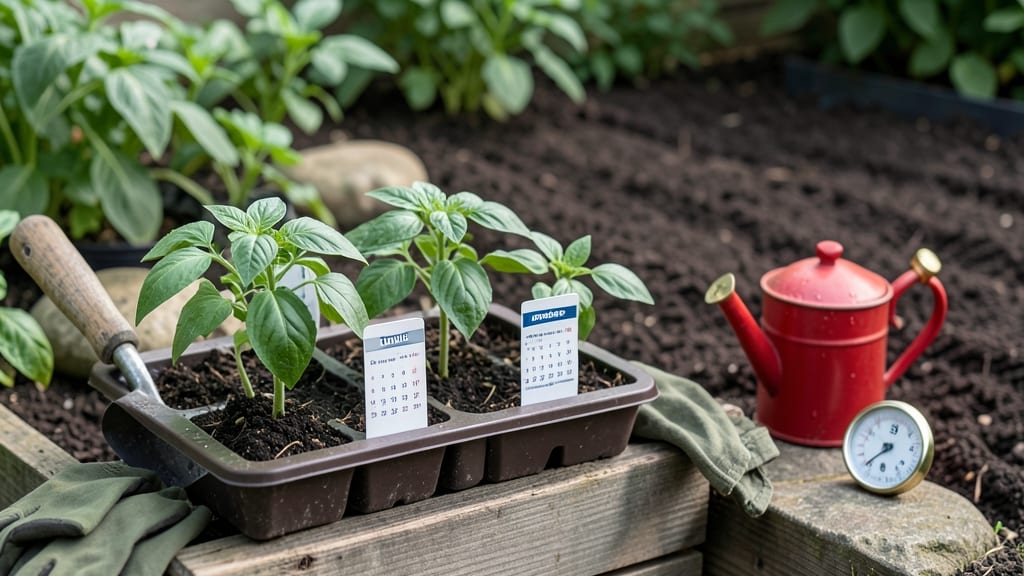
Timing your garden planting in Tennessee isn’t just about following a calendar—it’s about outsmarting the state’s unpredictable shifts from chilly mornings to sudden heatwaves.
Plant too early, and your 🌱 General Garden Plants could wilt under April’s lingering frost; wait too long, and summer’s blazing sun will stress young seedlings before they even take root.
With USDA zones 6a-7b creating microclimates where Nashville’s last frost arrives weeks after Knoxville’s, getting the timing right is the key to a thriving harvest.
Whether you’re sowing cool-season greens in March or warm-season tomatoes in May, the difference between a fast, bountiful garden and a struggling one often comes down to those few critical weeks.
I’ve dug into Tennessee’s planting patterns—from the earliest safe dates for peas in Zone 6a to the ideal windows for peppers in Zone 7b—and boiled it down to actionable advice.
You’ll learn exactly when to prep your soil, which crops to prioritize by month, and how to adjust for your specific corner of the state, so your garden doesn’t just survive the season—it thrives.
Ready to turn your backyard into a high-yield oasis? Let’s dive into the zone-specific planting schedule that’ll have your plants germinating faster and your harvests coming in stronger than ever.
Tennessee planting calendar by USDA Zone: exact months for fast germination
Tennessee spans USDA zones 5a–8a, meaning your planting schedule should shift based on elevation and location. Zone 5a (high elevations like the Appalachians) has a shorter growing season, while Zone 8a (Memphis, Nashville outskirts) enjoys year-round gardening potential.
To simplify, I’ve broken down the ideal planting windows for both cool-season and warm-season crops, adjusted for Tennessee’s average last frost dates.
For cool-season crops like lettuce, spinach, and broccoli, start seeds 4–6 weeks before your last frost date.
In Zone 6a (most of Tennessee), this means mid-February to early March for indoor starts or direct sowing in March. Warm-season crops—tomatoes, peppers, and cucumbers—need to wait until 2–3 weeks after the last frost, typically mid-April to early May in most regions.
Pro Tip: Use a soil thermometer to confirm warmth before planting warm-season crops. Soil should reach at least 60°F for tomatoes and 70°F for peppers to germinate properly. In Zone 5a, wait until May 1 to avoid frost damage.
🌱 Tennessee Planting Calendar by USDA Zone
| Zone | Cool-Season Crops (Start Indoors) | Cool-Season Crops (Direct Sow) | Warm-Season Crops (After Last Frost) | Fall Planting Window |
|---|---|---|---|---|
| 5a (High Elevations) | Mid-February | Early April | May 15 | Late July–Early August |
| 6a (East/Middle TN) | Late February | March 15 | April 15 | Mid-July–Late August |
| 7a (West TN) | Early March | March 1 | March 30 | Early July–September |
| 8a (Shelby County) | Year-round (choose cold-hardy varieties) | February–April | February 15 | June–October |
📌 Note: Adjust for microclimates (e.g., urban areas warm up faster than rural).
If you’re in Zone 7a or 8a, you can plant warm-season crops like okra and sweet potatoes as early as March in protected beds.
For fall gardens, aim to plant cool-season crops by late July to early August—this gives them time to mature before the first frost, which typically hits mid-October in Zone 6a and late November in Zone 8a.
For perennials and trees, timing matters too. Plant bare-root trees in late winter (February–March) while they’re dormant, or container-grown plants in early spring (April). Herbs like rosemary and thyme can handle early spring planting in Zone 7a+, but wait until May in Zone 5a to avoid frost.
Don’t forget about succession planting! In Tennessee’s longer growing seasons, you can stagger plantings every 2–3 weeks for crops like lettuce, radishes, and bush beans. This ensures a continuous harvest and maximizes your garden’s productivity.
For container gardening, follow the same zone guidelines but start 2–4 weeks earlier since containers warm up faster. Place pots in south-facing locations and use black fabric mulch to raise soil temperatures in early spring.
🌱 Key Takeaway: Tennessee’s planting windows are flexible, but soil temperature and frost dates are your best guides. Use local weather data (like Almanac’s frost calendar) and adjust for your specific microclimate—whether you’re in the smoky mountains or Memphis.
How Tennessee’s microclimates affect your planting schedule (and how to adapt)
Tennessee’s geography creates microclimates that shift planting windows by weeks—even within the same county. For example, East Tennessee’s higher elevations (like USDA Zone 6a) can experience frost 2 weeks later than Nashville’s Zone 7a.
These variations mean a one-size-fits-all approach fails. Let’s break down how to adapt your schedule based on your location’s unique conditions.
Key factors like elevation, soil drainage, and proximity to water bodies (rivers/lakes) create localized heat islands or cooler pockets. For instance, West Tennessee’s flatlands (Zone 7b) warm up faster in spring, while Middle Tennessee’s rolling hills (Zone 6b) may need cold-hardy varieties for early planting.
Even urban areas like Chattanooga’s valleys can have 5°F warmer soil temps than nearby ridges.
Here’s how to adjust your planting timeline based on Tennessee’s three main regions—plus tools to extend seasons where needed:
For gardeners in Zone 6a (e.g., Johnson City), extend your growing season with row covers—they can add 2–4 weeks of frost protection for cool-season crops like broccoli or carrots.
In Zone 7b (e.g., Shelbyville), focus on heat-tolerant varieties like Okra or Sweet Potatoes, which thrive in summer’s humidity.
Soil warmth is another critical cue. Use a soil thermometer—warm-season crops (like peppers) need soil temps above 60°F to germinate. In East Tennessee’s cooler soils, wait until late May to plant; in West Tennessee, you can start as early as mid-April.
Pro tip: Black plastic mulch can raise soil temps by 5–10°F in just days.
Don’t overlook urban heat islands. Cities like Nashville can be 5–10°F warmer than rural areas, accelerating growth—and pest cycles. If you’re in a concrete-heavy neighborhood, opt for shade-tolerant crops like Swiss chard or bush beans in early summer, then transition to heat-loving crops (e.g., eggplant) by July.
🌱