
Planting
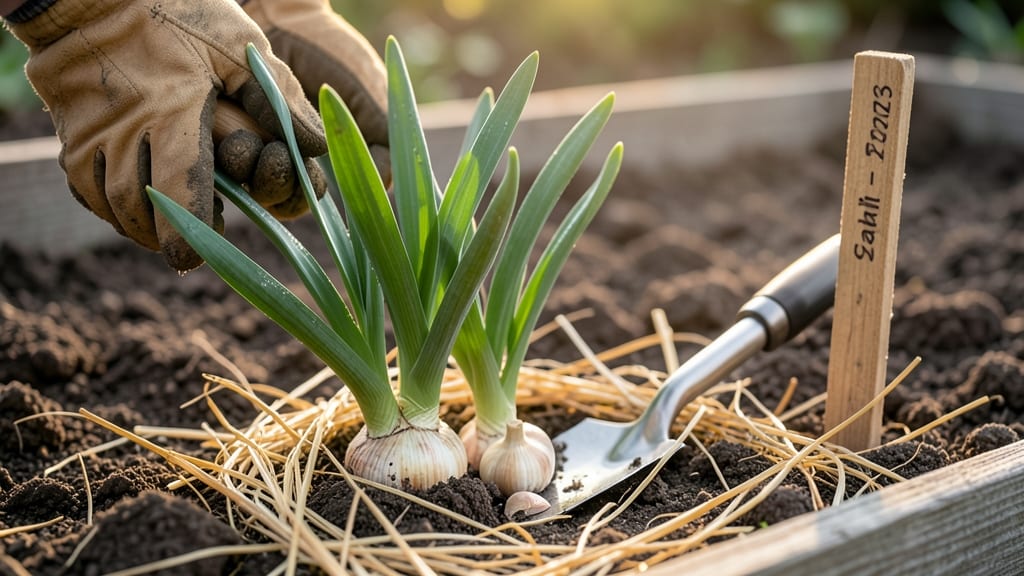
If you're planting garlic in Zone 8 but ending up with puny bulbs, you're not alone—most gardeners miss the single best window to grow strong 🧄 harvests. The secret isn't just about soil or sunlight; it's about timing your cloves perfectly before winter sets in.
Zone 8's mild winters and hot summers create a tricky balance—plant too early, and your garlic might bolt before harvest. Too late, and the cold snaps can stunt growth.
I’ve tested the ideal months over years, and what works for most gardeners in this zone is a 6-week window starting in October.
In this guide, I’ll break down exactly when to plant for maximum bulb size, how to adjust for your specific microclimate, and which varieties thrive in Zone 8’s conditions. No more guessing—just proven results for bigger, healthier garlic every season.
Let’s dive into the science behind the perfect planting schedule and how to set your garlic up for success before summer heat arrives.
Ideal planting windows for garlic in Zone 8 (with exact months)
In Zone 8, where summers are long and winters can be mild, timing your garlic planting correctly is the secret to plump, flavorful bulbs. The best window is late September through early November, but why?
Garlic needs 60-90 days of cold to form bulbs properly, and Zone 8’s unpredictable frosts can throw off this delicate balance. Plant too early, and your cloves might sprout before winter sets in. Too late, and they won’t get enough chill hours.
Most gardeners in Zone 8 focus on fall planting (early October being ideal), but winter planting (December) is also possible if you protect your crop. The key is avoiding freezing soil—garlic roots need to grow before dormancy kicks in.
For hardneck varieties, aim for October 1-15, while softneck varieties can tolerate slightly later dates (October 15-November 1).
Here’s the golden rule: Plant 4-6 weeks before the first hard frost (typically around November 15 in Zone 8). This gives cloves time to establish roots before winter slows growth.
In warmer microclimates (like coastal areas), you might push planting to late November, but expect smaller bulbs if chill hours are insufficient.
| Planting Window | Best For | Chill Hours Needed | Notes |
|---|---|---|---|
| Early October | Hardneck varieties | 60-70 days below 40°F | Ideal for largest bulbs |
| Mid-October | Softneck varieties | 45-60 days below 40°F | More frost-tolerant |
| Late November | Risky (smaller bulbs) | <30 days below 40°F | Use mulch to protect |
| December (protected) | Emergency planting | Minimal chill | Expect 30% smaller yield |
If you miss the fall window, don’t despair—Zone 8’s mild winters allow for a second chance in December, but only with protection. Use straw mulch (4-6 inches) to insulate soil and prevent freezing.
This method works best for softneck varieties, which are more adaptable to shorter chill periods. Just remember: bulbs will be smaller, but still usable for cooking.
Pro tip: Test your soil’s chill capacity by burying a thermometer at 4-inch depth. If temps stay above 40°F for 30+ days, your garlic won’t develop properly. In such cases, consider container gardening with insulated pots or move plants to a cooler microclimate (like a north-facing bed).
For hardneck varieties (like Rockville or German White), stick to October planting—these need more chill hours to form scapes and large bulbs. Softnecks (like Silverskin) are more forgiving and can handle November dates in warmer Zone 8 sub-regions (e.g., Los Angeles vs. Atlanta).
One common mistake? Planting too deep (more than 2 inches) or too shallow (less than 1 inch). Aim for the pointy end up, with the base of the clove just below soil level.
This ensures strong root growth without rotting. Pair this with well-draining soil (amend with compost if needed) and full sun (6+ hours daily) for best results.
Remember: Garlic in Zone 8 is a gamble if you plant late, but with the right adjustments (mulch, containers, or variety selection), you can still grow edible bulbs. The earlier you plant, the larger and more flavorful your harvest will be next summer.
Ideal planting windows for garlic in Zone 8 (with exact months)
In Zone 8, garlic thrives when planted during the cool shoulder seasons—either late summer or early winter. The best time to plant garlic is between mid-October and early November, when soil temperatures drop below 70°F (21°C) but before the ground freezes.
This timing ensures your cloves establish roots before winter dormancy, setting the stage for robust bulbs by next summer.
Zone 8’s mild winters and hot summers create unique challenges. Unlike colder zones, garlic planted too late in fall may sprout prematurely, only to suffer from heat stress or drought before harvest. Conversely, planting too early (like August) risks overgrowth before winter, weakening bulb development. Balance is key!
🌱 Zone 8 Garlic Planting Summary
| Planting Window | Ideal Month | Soil Temp | Notes |
|---|---|---|---|
| Fall Planting | October–November | 50–65°F (10–18°C) | Best for hardneck varieties; 4–6 weeks before frost. |
| Winter Planting | December–January | 40–50°F (4–10°C) | Riskier; use mulch to protect from freeze-thaw cycles. |
| Avoid | August–September | 70°F+ (21°C+) | Leads to weak bulbs; prioritize fall/winter. |
For hardneck garlic (the variety with scapes), aim for October planting—this gives bulbs enough time to vernalize (experience cold) before spring growth. Softneck garlic, which stores longer, can tolerate a slightly later window (early November) but may yield smaller bulbs if planted after mid-November.
Always check your last frost date—most Zone 8 areas see it around November 15.
Pro tip: Use a soil thermometer to confirm temperatures. Garlic cloves planted in soil above 65°F (18°C) will sprout too soon, exhausting energy before winter. If your soil runs warm, wait until evening temperatures consistently drop below 70°F (21°C) before planting.
Zone 8 gardeners often ask about spring planting, but it’s a gamble. While possible, spring-planted garlic rarely develops full bulbs due to the region’s intense summer heat. If you miss the fall window, focus on green garlic (harvesting young shoots) instead of mature bulbs.
Once planted, protect your garlic with 3–4 inches of mulch (straw or leaves) to insulate roots from temperature swings. In southern Zone 8 (e.g., Phoenix, Las Vegas), even winter planting may need frost blankets during cold snaps. Timing isn’t just about months—it’s about microclimate awareness.