
Plants
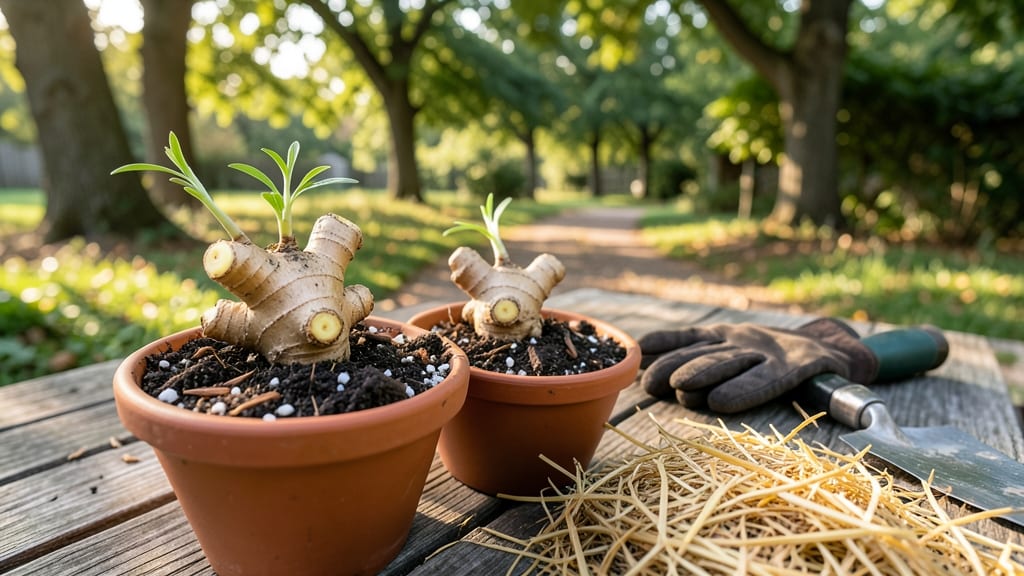
Timing your ginger planting in NC can mean the difference between a bumper crop of plump rhizomes and a disappointing harvest. With North Carolina’s 7a-8b climate, you’ve got a narrow window—just 8-10 months—to grow ginger from a tender rhizome to a mature root before frost sets in.
Most gardeners in NC plant their 🌿 ginger between March and April, right after the last frost date (typically around March 15). This gives the plant enough warm soil and sunlight to establish strong roots before summer’s heat peaks.
But here’s the catch: if you’re in the cooler mountain regions (like Zone 7a), you might need to push planting to early April to avoid early frost risks.
Why does this matter? Because ginger is a slow grower—it needs 270-300 days to mature—and planting too late means you’ll be left with underdeveloped rhizomes when fall arrives.
I’ll walk you through the exact steps to time your planting for success, including soil prep, microclimate tricks, and how to spot when your ginger is ready for harvest.
Ready to grow your own spicy, homegrown ginger? Let’s dive into the perfect planting schedule for NC’s unique growing conditions—so you can enjoy fresh ginger straight from your garden this fall.
Best planting months for ginger in North Carolina’s climate zones
North Carolina’s USDA zones 7b-8a offer a perfect window for growing ginger, but timing is critical. The ideal planting months are March and April, after the last frost date—which typically falls around March 15 in most regions.
Planting too early risks rhizome rot from cold, wet soil, while late planting may leave your ginger immature by frost.
Ginger thrives in 200-220 frost-free days, so NC’s climate works well, but regional differences matter. Coastal areas (like Wilmington) have longer growing seasons, while mountain regions (like Asheville) face earlier frosts.
Adjust your schedule based on your local last frost date—check the NC State Climate Office for your county’s specifics.
For maximum harvest potential, aim to plant 8-10 months before the first frost (usually mid-November). This gives ginger enough time to develop plump, flavorful rhizomes before the cold sets in. In Zone 8a, you might even squeeze in a fall harvest if planted by early summer.
If you’re in a warmer microclimate (like the Coastal Plain), you could push planting to early May, but expect smaller yields. Conversely, higher elevations (like the Blue Ridge Mountains) demand earlier planting—February or early March—to avoid frost damage.
🌱 North Carolina Ginger Planting Guide by Region
| Region | USDA Zone | Best Planting Month | Last Frost Date | Harvest Window |
|---|---|---|---|---|
| Coastal Plain (e.g., Wilmington) | 8a | March–April | March 1–15 | October–November |
| Piedmont (e.g., Raleigh) | 7b | March–early April | March 10–25 | September–October |
| Mountains (e.g., Asheville) | 7a | February–March | March 1–10 | September |
⚠️ Note: Adjust for microclimates—valleys frost earlier than ridges.
Soil temperature is another critical factor. Ginger rhizomes need 60°F+ soil to sprout. Use a soil thermometer to confirm—wait until the ground warms up if early planting is risky. In cooler Piedmont zones, consider pre-sprouting rhizomes indoors in late February to jumpstart growth.
If you miss the ideal window, don’t despair! You can still plant in early May, but expect smaller rhizomes. For a second harvest attempt, choose a fast-maturing variety like ‘Red Ginger’, which tolerates shorter seasons better than ‘Common Ginger’.
Just be prepared to protect plants with row covers if frost threatens early.
For container gardening in NC, timing is even more flexible. Pots warm up faster, so you can plant 1-2 weeks later than in-ground gardens. Just ensure your container has drainage holes and use a lightweight potting mix to prevent waterlogging—ginger hates soggy roots.
Pro tip: Mark your planting date and set a reminder for 8 months later to harvest. Ginger’s foliage dies back as rhizomes mature, so don’t wait until the ground freezes—dig up your crop before the first frost to avoid root damage.
Finally, save some rhizomes for next year! Ginger is perennial in NC’s climate, but it’s easier to replant new rhizomes annually for consistent yields. Store extras in a cool, dry place until your next planting window opens.
Best planting months for ginger in North Carolina’s climate zones
North Carolina’s USDA zones 7b-8a offer the perfect balance for growing ginger, but timing is critical. Since ginger takes 8-10 months to mature, planting too early risks rot from cool soil, while planting too late means immature harvests before the first frost.
My ideal planting window is March through early April, after the last frost date (typically mid-March in most regions).
For Coastal NC (warmer microclimates like Wilmington), you can push planting to late February—soil warms faster there. In the Piedmont region (Raleigh, Charlotte), stick to March to avoid springtime cool snaps. Meanwhile, Mountain areas (Asheville, Boone) should wait until April when nighttime temperatures stabilize above 60°F.
🌱 NC Ginger Planting Timeline by Region
| Region | Best Planting Window | Soil Temp Threshold | Frost Risk |
|---|---|---|---|
| Coastal NC (Zones 8a-8b) | Late February - Early March | 65°F+ | Low (first frost Nov 20) |
| Piedmont (Zones 7b-8a) | March - Early April | 60°F+ | Moderate (first frost Nov 15) |
| Mountains (Zones 6b-7a) | April (after last frost) | 65°F+ | High (first frost Oct 30) |
Ginger thrives in warm soil, so always check soil temperature before planting—aim for 60°F+. Use a soil thermometer or wait until aphids and other pests become active (a natural sign of warming soil).
In Coastal NC, you might even squeeze in a fall harvest if planted by August, but this is riskier due to shorter daylight.
If you miss the spring window, May planting is still possible but requires container growing to bring rhizomes indoors before frost. I’ve had success with this method in Zone 7b, using black plastic mulch to extend the season by 2-3 weeks.
Just be prepared for smaller rhizomes since the growing season is truncated.
Pro tip: Use NC State Extension’s frost date maps to pinpoint your exact last frost date. For most gardeners, this means planting ginger after April 15 in the Mountains and by March 15 in the Piedmont. Don’t rush—patience prevents rot!
Remember, ginger is a tropical perennial but treated as an annual in NC due to frost. The key is giving it enough time to develop thick rhizomes before the first frost—aim for a 10-month growing season for the best flavor and yield. 🌿