
Plants
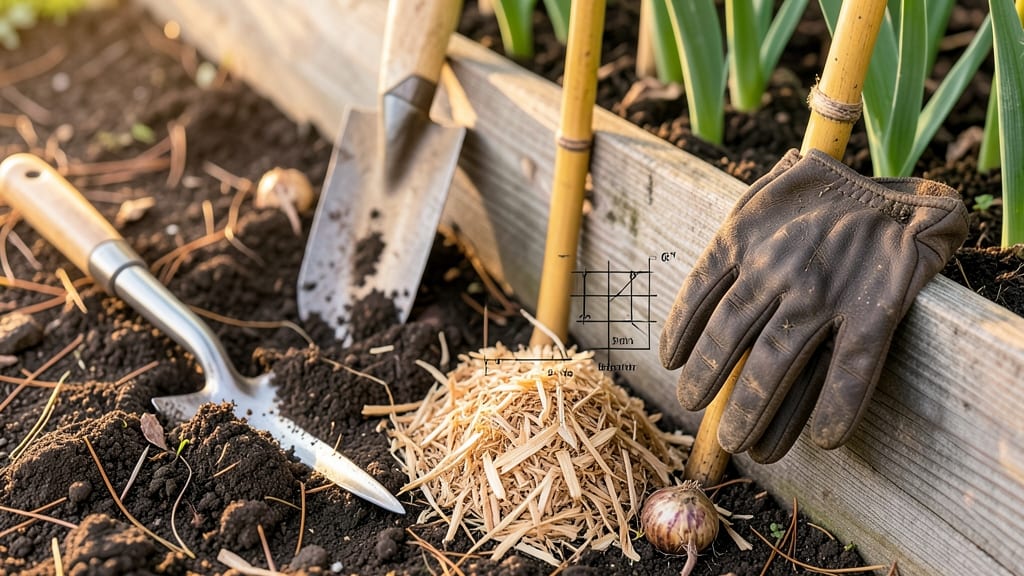
Timing your gladiolus bulb planting in North Carolina could mean the difference between a showstopping summer garden and a disappointing flop. These striking 🌸 blooms thrive when planted just right—too early, and frost zaps their potential; too late, and you’ll miss peak flowering season entirely.
With North Carolina’s diverse climate zones—from the humid Coastal Plain to the cooler Appalachian Mountains—knowing the exact window matters.
Whether you’re in Zone 7a or 8b, planting these corms 4-6 weeks before your last frost date (typically mid-March) sets the stage for bold, long-lasting blooms that’ll have your neighbors asking for cuttings.
But here’s the kicker: even the best gardeners mess up timing, leading to stunted growth or bulb rot. I’ll walk you through the zone-specific deadlines, soil prep secrets, and post-planting care that keeps your glads flourishing until October—no guesswork required.
Ready to transform your summer garden into a gladiolus paradise? Let’s dive into the precise planting schedule that works for your corner of North Carolina, so you can enjoy these dramatic spikes of color all season long.
North Carolina gladiolus planting calendar by USDA Zone: exact dates for peak blooms
North Carolina spans USDA Zones 7a through 8b, creating a perfect climate for gladiolus (🌸) to thrive—but your exact planting window depends on where you live.
In Zone 7a (mountains), you’ll plant 4-6 weeks before the last frost (typically late March to early April), while Zone 8b (coastal areas) can start as early as mid-February. These differences matter because gladiolus corms need soil temperatures between 60-65°F to sprout reliably.
For summer blooms (the most common goal), aim to plant by mid-May in all zones. This ensures flowers appear from July through September, just in time for peak summer color.
If you want fall blooms, try a late planting in August—though these may bloom later and handle frost less well.
Here’s the key: Plant too early, and frost will kill tender shoots. Plant too late, and your gladiolus may bolt (flower quickly) or produce weak stems. The 4-6 week buffer before last frost gives roots time to establish before summer heat arrives.
🌱 North Carolina Gladiolus Planting Timeline by Zone
| USDA Zone | Last Frost Date | Ideal Planting Window | Soil Temp for Sprouting | Expected Bloom Time |
|---|---|---|---|---|
| 7a (Mountains) | March 15–April 1 | Late March–Early April | 60–65°F | July–September |
| 7b (Piedmont) | March 1–March 15 | Mid-February–March 15 | 60–65°F | June–September |
| 8a (Coastal) | February 15–March 1 | Mid-February–Early March | 60–65°F | May–October |
| 8b (Outer Banks) | January 15–February 15 | Late January–February | 60–65°F | April–November |
💡 Pro Tip: Use a soil thermometer to confirm temps—gladiolus won’t sprout until soil reaches 60°F consistently.
If you’re in Zone 8a or 8b, you can also try a fall planting in late August for late-season blooms. However, these plants may not survive winter in the ground, so treat them as annuals or dig up corms before frost.
For Zone 7a gardeners, fall planting is risky—stick to spring for reliable results.
North Carolina’s humidity and summer heat can stress gladiolus, so choose early-mid spring planting to give roots time to establish before the dog days of July. In coastal areas, where humidity is higher, plant on dry, sunny days to reduce fungal risks like botrytis.
For container growing, adjust your timeline by 2 weeks earlier—pots heat up faster and dry out quicker. Place containers in full sun and monitor soil moisture closely, as gladiolus in pots need daily watering during summer heatwaves.
Remember: Soil preparation is just as critical as timing. Amend heavy clay soils (common in NC’s Piedmont) with compost or sand to improve drainage. Gladiolus hate soggy roots, so raised beds are ideal in areas with poor drainage.
Once planted, mulch with 2–3 inches of straw to retain moisture and suppress weeds. This is especially important in Zone 8b’s dry summers, where mulch can mean the difference between vibrant blooms and wilted spikes. 🌿
5 Critical factors that determine your gladiolus planting timeline in NC
North Carolina’s diverse climate—from the humid Coastal Plain to the cooler mountain regions—means your gladiolus planting window can shift by weeks. Don’t just rely on calendar months; these 5 key factors will help you pinpoint the perfect time for your location.
I’ll break down how each affects your corms and what to watch for.
First, soil temperature is non-negotiable. Gladiolus corms need soil that’s warmed to at least 60°F (15°C) before planting. In Raleigh, this typically happens by early April, but in Asheville, you might wait until late April.
Use a soil thermometer ($10 at garden centers) to check—bury it 4 inches deep for accurate readings.
Humidity levels also play tricks. The Coastal Plain’s high humidity can encourage fungal diseases if you plant too early. Aim for 50-60% humidity or less at planting time. Mountain areas? You’ve got more flexibility—lower humidity means fewer fungal risks, so you can plant slightly earlier if soil temps are right.
Your sunlight exposure matters just as much as dates. Gladiolus craves full sun (6+ hours daily), but NC’s summer heat can scorch leaves if plants aren’t established. If your yard gets afternoon shade, consider east-west planting—place taller varieties on the west side to avoid shading shorter plants.
Pro tip: Use a sun calculator app to map your yard’s light patterns before digging.
Don’t overlook microclimates—your neighbor’s perfect timing might fail in your yard. Urban areas like Charlotte’s heat islands can push soil temps up 5-10°F faster than rural zones. Test your spot: If your soil hits 60°F by March 20 but your neighbor’s doesn’t until April 5, adjust accordingly.
Mountain gardeners? You might plant 2-3 weeks later than Piedmont areas without risking frost damage.
Finally, check the 10-day rainfall forecast before planting. Gladiolus corms rot in soggy soil, and NC’s spring showers can turn your garden into a swamp overnight. Aim to plant when skies are clear for 48 hours post-planting.
In hurricane-prone coastal areas, hold off until after May 15 to avoid storm damage to tender shoots.
Remember: These factors work together. Even if your soil is warm, high humidity or poor drainage can sabotage your gladiolus. Next time you’re tempted to plant early, run through this