
Plants
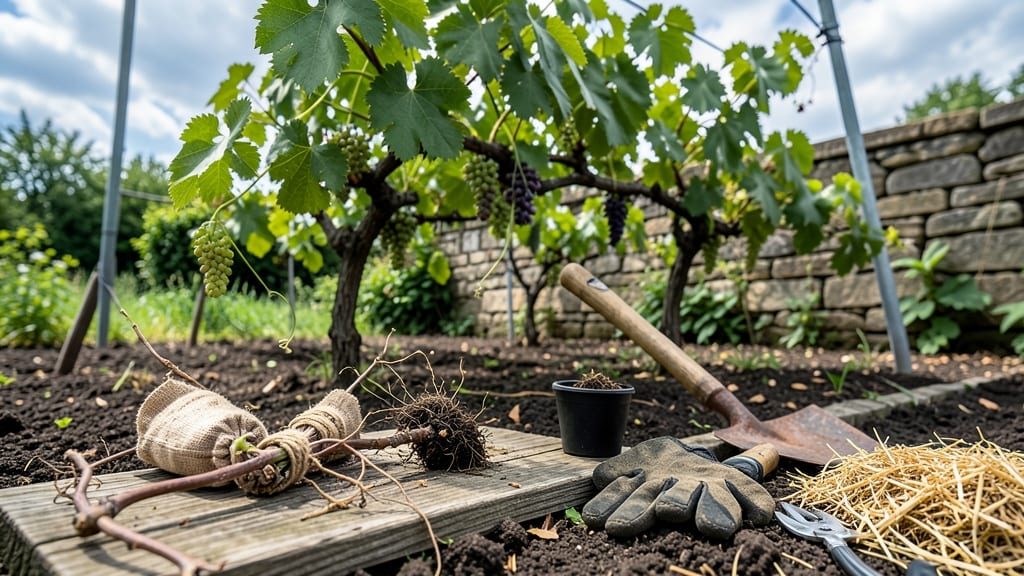
Planting grapes in Georgia at the wrong time could mean watching your 🍇 vines struggle—or worse, fail—before they even get a chance to thrive. With USDA Zones 7b-8a offering a perfect balance of warmth and seasonal shifts, timing your grape planting isn’t just important—it’s the foundation for a bountiful harvest.
Most Georgia gardeners assume late spring is the only window, but the ideal time actually starts in late winter, when soil temperatures begin to rise and frost risks drop. This early start gives your vines the head start they need to establish strong roots before summer’s heat sets in.
Whether you’re growing wine grapes, juicy table varieties, or hardy muscadines, the key is planting between February and March—just as dormancy breaks and new growth begins.
I’ll walk you through the exact steps to time your planting for maximum success, including soil prep, variety selection, and how to adjust for microclimates across the state.
Ready to turn your Georgia backyard into a thriving grapevine haven? Let’s dive into the perfect planting schedule so you can enjoy that first harvest in late summer or early fall.
Best planting windows for grapes in Georgia by variety type
Georgia’s USDA Zones 7b-8a offer perfect conditions for growing three main grape types: wine grapes, table grapes, and native muscadines. Each variety has a specific planting window to maximize survival and yield.
For wine grapes like Cabernet Sauvignon or Chardonnay, the ideal planting window is late winter to early spring, typically February through March. This aligns with the vine’s dormancy period and avoids late-season frosts.
If you’re planting table grapes like Thompson Seedless or Crimson Seedless, the best time is slightly later—March to early April. These varieties need a longer growing season to ripen fully, so starting them a bit later ensures they mature before Georgia’s first frost in November.
For muscadines, which thrive in Georgia’s humid climate, the optimal window is February to March, as they’re more drought-tolerant and adaptable to local conditions.
Choosing between bare-root vines and potted grapes also affects timing. Bare-root vines (most common for wine and table grapes) should be planted as soon as they arrive in late winter, while potted grapes (often muscadines) can be planted throughout spring until May, as long as the soil isn’t waterlogged. Fall planting is risky in Georgia due to hurricane season and unpredictable winter rains, which can rot roots.
Here’s a quick comparison to help you decide based on your grape type and local microclimate:
| Variety Type | Best Planting Window | Dormancy Requirement | Climate Note |
|---|---|---|---|
| Wine Grapes (e.g., Cabernet Sauvignon) | Late February–Early March | Dormant bare-root | Avoid spring rains; needs well-drained soil |
| Table Grapes (e.g., Thompson Seedless) | March–Early April | Dormant or potted | Longer season needed; plant after last frost |
| Muscadines (Native) | February–March | Dormant or potted | Humidity-tolerant; adaptable to clay soils |
For Georgia gardeners, timing isn’t just about the calendar—it’s about soil temperature. Grapes need soil to warm to 50–60°F before planting. In Zone 8a (southern Georgia), this happens by mid-February, while Zone 7b (northern Georgia) may need to wait until late February or March.
Use a soil thermometer to confirm readiness, especially if you’re planting early in the season.
Another critical factor is moisture balance. Georgia’s spring rains can delay planting if the soil becomes waterlogged. Amend heavy clay soils with compost or sand to improve drainage.
If you miss the primary window, you can plant potted grapes in May, but expect slower establishment and reduced yields the first year.
Local microclimates also play a role. Areas near lakes or rivers (like Athens or Savannah) may have warmer soil earlier, while higher elevations (like Blue Ridge Mountains) might need to wait until April. Pay attention to neighboring vineyards or local Cooperative Extension offices for region-specific advice.
Once you’ve chosen your planting window, prepare the site by selecting a sunny, sheltered location with 6–8 hours of sunlight. Grapes need support structures (like trellises) installed before planting to guide their growth.
In Georgia, Arbor Day (last week of February) is a great reminder to finalize your planting plan and gather supplies like grapevine stakes and pruning shears.
Pro tip: If you’re planting multiple varieties, stagger your planting dates by 2–3 weeks. This spreads out the harvest season and reduces the risk of pest or disease outbreaks affecting all your vines at once.
For example, plant Cabernet Sauvignon in late February, Thompson Seedless in early March, and muscadines in mid-March.
🍇
Critical factors that determine your Georgia grape planting timeline
Georgia’s mild winters and long growing season create a perfect environment for grapes—but timing is everything. The last frost date (typically March 15 in Zones 7b-8a) marks your planting deadline, but soil temperature and rainfall also play critical roles.
Planting too early risks frost damage, while waiting too long delays vine establishment.
Your grape variety dictates the ideal window too. Muscadines thrive with early spring planting, while European wine grapes need slightly later soil warming. Even a 2-week delay can impact root growth and fruit production. Let’s break down the key factors that shape your planting schedule.
🌱 Critical Factor #1: Soil Temperature Grapes need soil temps above 50°F (10°C) to root successfully. In Georgia, this usually aligns with late February to early March. Use a soil thermometer to verify—cold soil slows root development and increases disease risk. Pro Tip: Warm soil speeds up dormancy break, giving vines a 2-week head start.
| Factor | Georgia-Specific Requirement | Impact of Mismanagement |
|---|---|---|
| Soil Temperature | 50°F+ (late Feb–early Mar) | Slow root growth, frost damage |
| Last Frost Date | March 15 (Zone 7b-8a) | Frost kills new shoots |
| Rainfall Patterns | 3–5 inches/month (spring) | Waterlogged soil = root rot |
| Dormancy Period | 6–8 weeks cold (Dec–Feb) | Weak vines, poor fruit set |
Georgia’s variable rainfall is another wild card. Too much rain in spring can waterlog soil, while drought stress during root establishment (first 6 weeks) reduces vine vigor. Test your soil’s drainage—grapes hate soggy roots. If your yard holds water, amend with compost or sand before planting.
🌡️ Factor #3: Microclimate Variations Not all of Georgia is the same! Coastal areas (Zone 8a) can plant 2–3 weeks earlier than northern regions (Zone 7b). Urban heat islands (like Atlanta) may warm up faster, while valley floors hold cold air longer. Observe your yard’s sun exposure—south-facing slopes warm up 1–2 weeks ahead of shaded spots.
Finally, dormancy matters. Grapes need 6–8 weeks of cold temps below 45°F (7°C) to break dormancy. If you’re in a mild-winter microclimate (like Savannah), your vines may need artificial chilling or a later planting window to avoid poor fruit set. Check your local USDA frost maps for precise adjustments.
Master these factors, and you’ll plant grapes at the perfect moment—setting your vines up for a bountiful harvest by late summer. Next, we’ll cover your step-by-step planting