
Plants
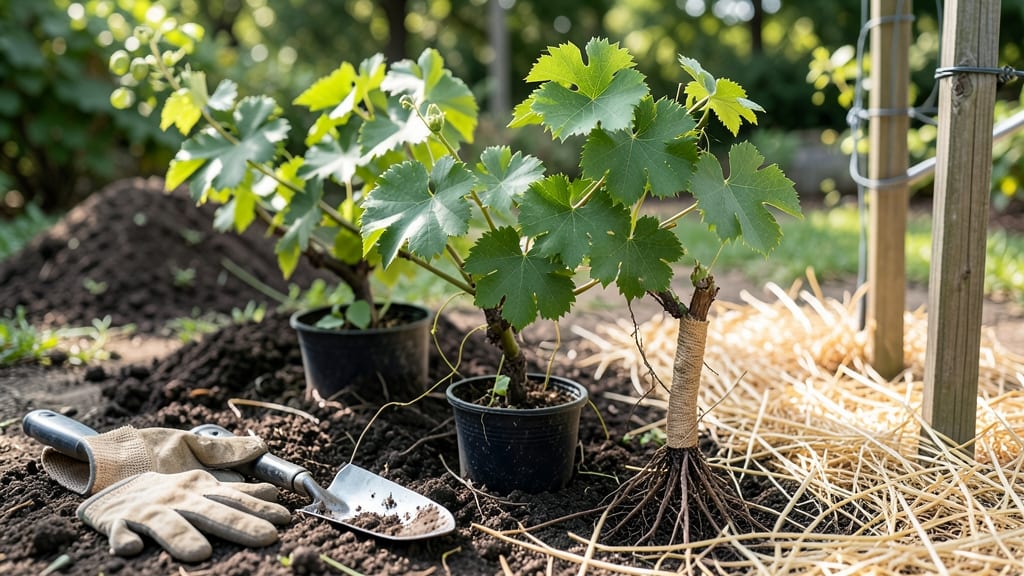
Timing is everything when it comes to planting grapes in Ohio, and getting it wrong could mean the difference between a thriving 🍇 vineyard and a wasted investment.
If you’ve ever wondered why some grapevines struggle while others flourish in your neighborhood, the answer often lies in the calendar—and Ohio’s unpredictable weather patterns make this even trickier.
For most of Ohio’s USDA Zone 6a, the sweet spot falls between April and May, right after the last frost date (typically around April 15).
But here’s the catch: Northern Ohio’s cooler microclimates near Lake Erie play by different rules than the warmer southern regions closer to Kentucky. Plant too early, and frost will nip your young vines in the bud.
Plant too late, and your grapes might not have enough time to establish roots before summer heat sets in.
I’ve seen firsthand how a well-timed planting can transform a backyard into a productive grape patch, while poor timing leads to stunted growth or even vine death. The good news?
With the right knowledge, you can avoid these pitfalls and set your grapes up for success—whether you’re growing cold-hardy varieties like Concord or experimenting with wine grapes like Cabernet Franc.
In this guide, I’ll break down the exact planting windows for Ohio’s distinct microclimates, plus soil prep tips and regional adjustments to ensure your vines take root strong. Let’s get those grapes growing the right way.
Ohio’s best grape planting zones by microclimate and hardiness
Ohio’s grape-growing success hinges on understanding its 6 distinct microclimates, each with unique frost dates and USDA hardiness zones. From the humid Lake Erie region (Zone 6a) to the Appalachian foothills (Zone 7a), timing your grapevine transplant correctly prevents frost damage and maximizes yields.
Let’s break down the ideal planting windows for each zone.
In northern Ohio (e.g., Toledo, Cleveland), where last frosts often hit April 15-30, cold-hardy varieties like Concord and Niagara thrive when planted 2-4 weeks after the average last frost. Southern Ohio (e.g., Cincinnati, Columbus) enjoys earlier frost-free dates (mid-April), allowing tender varieties like Cabernet Franc to establish roots sooner.
Here’s your microclimate-specific planting guide, including frost-free averages and best transplant windows:
| Microclimate | USDA Zone | Avg. Last Frost | Ideal Planting Window | Best Varieties |
|---|---|---|---|---|
| Lake Erie (Toledo, Cleveland) | 6a | April 20-May 5 | May 1-15 (after frost) | Concord, Niagara, Catawba |
| Northwest (Findlay, Sandusky) | 6b | April 15-30 | April 25-May 10 | Traminette, Valvin Muscat |
| Central (Columbus, Dayton) | 6a-6b | April 10-25 | April 15-May 5 | Marquette, Frontenac |
| Southeast (Cincinnati, Dayton) | 6b-7a | March 25-April 10 | April 1-May 1 | Cabernet Franc, Chardonnay |
| Appalachian (Athens, Zanesville) | 7a | March 15-30 | March 20-April 10 | Vidal, Marechal Foch |
| Bluegrass (Lexington, Cincinnati) | 6b-7a | March 20-April 5 | March 25-April 15 | Riesling, Pinot Noir |
For northern Ohio, where late frosts are common, delay planting until soil temperatures reach 55°F (13°C)—use a soil thermometer to monitor. In southern Ohio, you can plant 2-3 weeks earlier thanks to milder winters, but avoid tender varieties like Pinot Noir unless you’re in Zone 7a.
Pro tip: Bare-root grapes establish faster than potted ones, but if you must plant in fall, do so by October 1 in southern Ohio or September 15 in the north.
Roots need 6-8 weeks to harden off before winter. Mulch heavily with straw or wood chips to insulate roots during Ohio’s freeze-thaw cycles.
Always check your local Cooperative Extension Service for year-specific frost data, as Ohio’s microclimates shift yearly. For example, Lake Erie regions can experience delayed springs due to lake-effect snow, while Appalachian valleys may see earlier thaws.
If you’re planting container grapes, extend your window by 2-4 weeks—containers warm up faster in spring. Just ensure pots are at least 15 gallons and have drainage holes to prevent root rot, a common issue in Ohio’s clay-heavy soils.
For high-density plantings (e.g., commercial vineyards), space vines 4-6 feet apart and use trellis systems to maximize sunlight penetration. In home gardens, 6-10 feet spacing gives vines room to breathe and mature, reducing fungal diseases like powdery mildew, which thrives in Ohio’s humid summers.
Remember: Grapes need full sun—6-8 hours daily—so avoid shady spots, even in northern Ohio. If your yard lacks direct sun, consider south-facing trellises or reflective surfaces (like white walls) to boost light exposure.
How to adjust planting dates for Ohio’s unpredictable spring weather
Ohio’s spring weather is famously fickle—one day 60°F sunshine, the next a surprise 32°F frost. These swings can turn your grape planting plans upside down if you’re not prepared. The key? Flexibility and advanced prep to protect your vines from late frosts, soggy soil, or sudden heat spikes. I’ve planted grapes in Toledo’s humid zone and Athens’ Appalachian foothills, and trust me: timing adjustments save seasons. The last average frost date in Ohio ranges from mid-April in southern Ohio to mid-May near Lake Erie, but Mother Nature ignores averages. Use the National Weather Service’s frost alerts or local Cooperative Extension offices for real-time updates. For bare-root grapes, wait until soil temps hit at least 50°F—a soil thermometer is your best friend here. If you plant too early, roots stall; too late, and your vine wastes critical early growth.🌱 Pro Tip: Ohio’s Northwest region (e.g., Toledo) often faces late frosts until May 10, while Southeast Ohio (e.g., Athens) can plant by April 15. Adjust your schedule accordingly—don’t assume a one-size-fits-all approach works.
⚠️ Late Frost Warning: Ohio’s Most Vulnerable Zones
Risk Level: High
Zones: Lake Erie Shoreline, Northwest Ohio
Why? Cold lake air sinks overnight, trapping frost. Plant 2-3 weeks later than inland areas or use row covers for young vines.
Action: Monitor NOAA frost forecasts and have frost cloth ready. If frost is predicted within 7 days of planting, delay until soil warms.
To hedge your bets, consider fall planting for dormant bare-root grapes—they establish roots before winter and burst ahead in spring. However, this only works in USDA zones 6-7 (most of Ohio) and requires well-draining soil to prevent rot.
If you choose fall, aim for October 1st or earlier, giving roots 6-8 weeks to settle before freeze. Mulch heavily with straw or wood chips to insulate roots—this is non-negotiable in Ohio’s cold winters.
Watering is another wild card. Ohio springs oscillate between drought warnings and flash floods. Deep watering once a week (2-3 gallons per vine) is ideal, but adjust for rainfall. Use a moisture meter to check soil depth—grapes hate soggy feet but also wilting stress.
If your area faces prolonged rain, raise vines on mounds or install drainage tiles to prevent root rot. In contrast, dry springs (like 2020’s) demand drip irrigation to keep soil consistently moist.
Heatwaves can also derail early planting. If temps soar above 85°F before vines are established, they’ll go into heat stress. To mitigate, plant shade cloth temporarily or choose a north-facing trellis to delay direct sun exposure.
For tender varieties like Cabernet Franc, consider black plastic mulch to warm soil faster in cooler zones. This isn’t just theory—I lost my first Traminette batch in Lima, Ohio because I ignored heat prep!
Finally, have a backup planting window. If spring fails, Ohio’s early June can still work for container-grown grapes (potted vines transplant better in warm soil). Just be ready to prune aggressively in fall to compensate for delayed growth.
The bottom line? Ohio’s weather demands flexibility, but with these adjustments, your grapevines stand a fighting chance against frost, flood, and heat.