
Plants
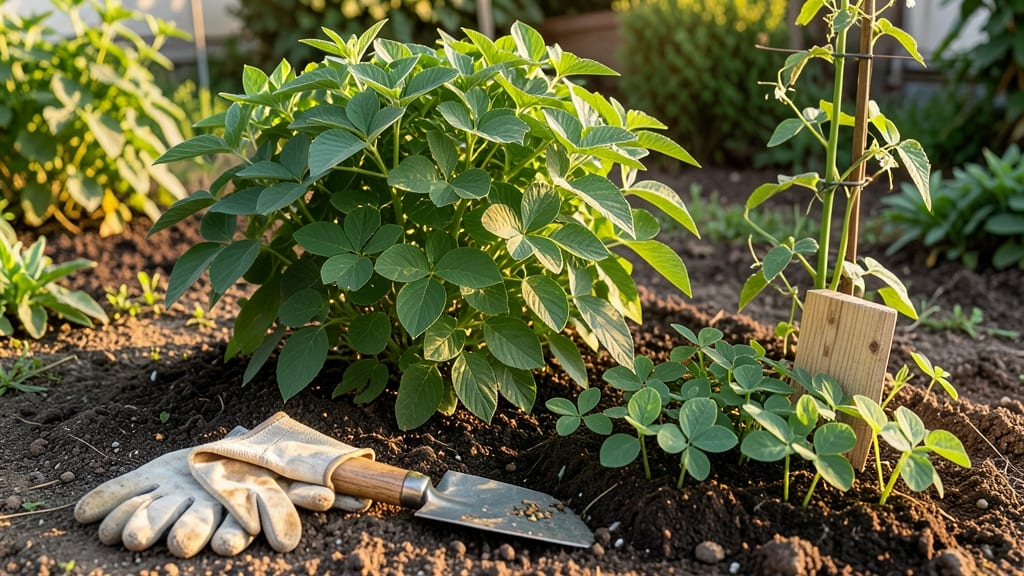
Best planting dates for green beans in Zone 6 (with frost risk breakdown)
Green beans thrive in Zone 6’s moderate climate, but timing your planting is critical to avoid frost damage or missed harvests. The last average frost date in most Zone 6 areas falls around April 15, while the first frost typically arrives by October 15.
This gives you a 165-day frost-free window—just enough for two planting cycles if you plan carefully.
For spring plantings, aim to sow seeds 2–4 weeks after your last frost date. This usually lands between April 29 and May 15, depending on your exact location within Zone 6.
Early varieties like 'Blue Lake' or 'Contender' can tolerate slightly cooler soil, while later varieties need warmer conditions to germinate reliably.
Soil temperature is your best indicator for readiness. Green beans need soil that’s at least 60°F (15°C) for optimal germination. Use a soil thermometer to check—planting too soon in cold soil can lead to rotten seeds or stunted growth.
If your soil is still cool, consider using black plastic mulch to warm it up faster.
In Zone 6, fall plantings are also possible if you choose short-season varieties. Start seeds July 1–August 1 for a harvest before the first frost. Varieties like 'Tendercrop' or 'Provider' mature in 50–55 days, giving you time to enjoy fresh beans in September or early October.
| Planting Window | Soil Temp Requirement | Frost Risk | Ideal Varieties |
|---|---|---|---|
| Spring: April 29–May 15 | 60°F+ (15°C+) | Low (after last frost) | Blue Lake, Contender, Kentucky Wonder |
| Fall: July 1–August 1 | 55°F+ (13°C+) | Moderate (harvest before Oct 15) | Tendercrop, Provider, Masai |
If you’re unsure about your exact last frost date, check local weather records or use the USDA Plant Hardiness Zone Map for your specific location. Microclimates—like urban heat islands or elevated garden beds—can shift your frost dates by 1–2 weeks, so observe your garden’s patterns over time.
Pole beans and bush beans have slightly different needs. Pole beans need a longer season (60–70 days) and benefit from trellising to save space, while bush beans mature faster (50–55 days) and are ideal for succession planting. For pole beans, start seeds 1–2 weeks earlier to ensure they have enough time to climb and produce pods.
Pro tip: Mark your calendar for July 15—this is the ideal deadline for fall plantings in most of Zone 6. After this date, your beans may not mature before frost, even with fast-growing varieties.
If you miss this window, consider container gardening on a sunny patio or balcony for a late-season harvest.
Finally, test your soil’s fertility before planting. Green beans prefer well-draining, slightly acidic soil (pH 6.0–7.0). Amend heavy clay soil with compost or sand to improve drainage, and avoid fresh manure, which can burn delicate roots.
A simple soil test kit will give you precise adjustments for optimal growth.
With the right timing and preparation, your Zone 6 garden can yield pounds of fresh green beans—just in time for summer meals and fall canning. Start with these dates, and you’ll be well on your way to a bountiful harvest! 🌿
How to extend your green bean harvest in Zone 6 using successive plantings
Zone 6 gardeners can enjoy green beans for months—not just weeks—by using successive plantings. The key is spacing out sowing dates to match your region’s frost-free window.
Since green beans thrive in cool but not freezing temperatures, you can often squeeze in two harvests per year: one in early summer and another in early fall. I’ve learned that planting every 2–3 weeks after the first sowing keeps my garden producing fresh pods until frost.
Start with your first planting 2–4 weeks after your last frost date (typically mid-April to early May in Zone 6). Then, follow up with additional sowings every 10–14 days until early July. This staggered approach ensures a continuous supply of beans without overcrowding your garden.
For example, if you plant your first batch on May 1, follow up with batches on May 15, May 30, and June 15 to extend harvests into September.
For a fall harvest, aim to plant your last batch 8–10 weeks before your first frost (usually around July 1–August 1). Choose late-maturing varieties like ‘Contender’ or ‘Blue Lake’ for this second crop.
These varieties take 60–70 days to reach harvest, so timing is critical. If planted too late, they won’t mature before frost—resulting in wasted effort.
🌱
- First Planting
- Successive Plantings
- Fall Crop
- Soil Prep
- Pest Watch
Don’t forget companion planting to boost yields! Pair green beans with corn and potatoes (the "Three Sisters" method) to improve soil health and deter pests. I’ve also found that marigolds planted nearby repel bean beetles naturally.
Another trick? Succession planting in containers—grow pole beans in 5-gallon buckets on a balcony for extra harvests if space is limited.
Track your plantings with a simple garden journal to refine timing each year. Note which varieties perform best in your microclimate and adjust future schedules accordingly. For example, if your July 1 planting always struggles, try shifting it to July 15 for better success.
With these strategies, you’ll enjoy fresh green beans from June through October—no grocery store needed!
Pro tip: Save seeds from your best-performing plants for next year! Green beans are easy to dry and store, so you’ll always have reliable seed stock tailored to your Zone 6 garden. Happy planting! 🌿