
Plants
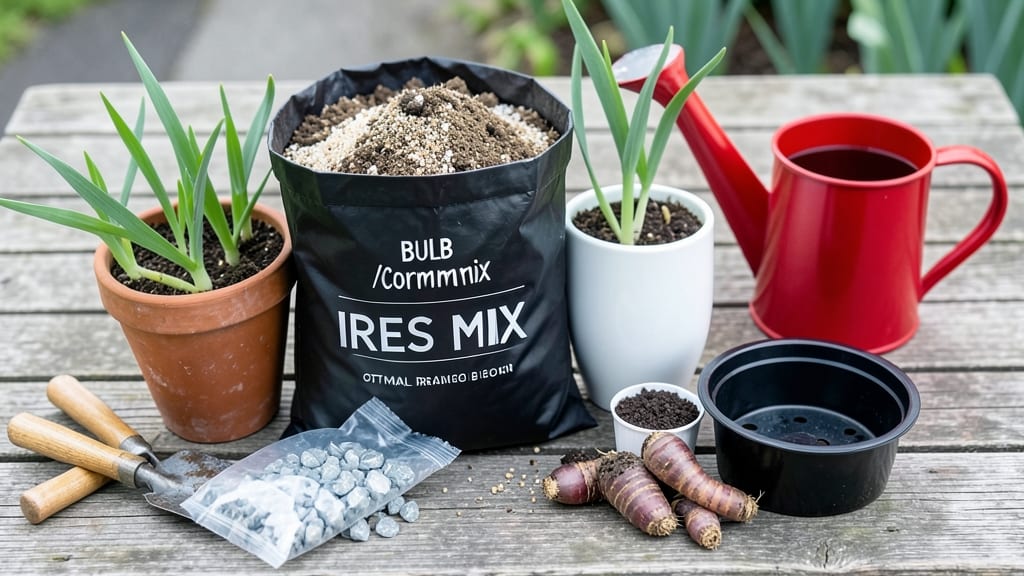
Timing is everything when planting iris bulbs in pots—get it wrong, and you might end up with soggy rhizomes or missed blooms. The best window for container planting is late summer to early fall, but climate plays a huge role in success.
Unlike ground planting, potted irises need extra care to avoid waterlogging, so knowing exactly when to plant makes all the difference.
If you're in USDA Zone 6a or similar cooler regions, aim for late August to early October when temperatures start to drop. This gives your 🌸 Bearded Iris time to establish roots before winter dormancy.
Warmer zones? You’ve got a slightly longer window, but the key is avoiding extreme heat or frost during the rooting phase.
Why does timing matter so much? Planting too early can lead to rot in containers, while waiting too long may delay—or even prevent—those stunning summer blooms you’re dreaming of.
I’ll walk you through the exact steps to prep your pots, choose the right soil, and keep your irises thriving from planting to peak season.
Ready to transform your patio or balcony into a vibrant iris display? Let’s break down the critical timing, care tips, and pro tricks to ensure your potted irises not only survive but flourish year after year.
Optimal planting windows for iris bulbs in containers (by climate zone)
Iris bulbs—specifically bearded iris rhizomes—thrive in containers when planted at the right time, but the ideal window shifts dramatically based on your USDA hardiness zone and local frost patterns.
Unlike in-ground planting, potted irises face unique challenges like limited root expansion and temperature fluctuations, so timing becomes even more critical. Here’s how to align your planting schedule with your climate for maximum bloom success.
In cooler climates (zones 3-6), aim for late summer to early fall (August-October), giving rhizomes time to establish roots before winter dormancy. In warmer zones (7-10), you can plant as late as November-December or even early spring (February-March) if you’re in a frost-free region.
The key is planting 6-8 weeks before your first frost to allow roots to anchor before cold sets in.
Containers complicate timing because they heat up faster than ground soil and dry out quicker. This means you’ll need to adjust your schedule slightly earlier than in-ground planting—especially in hot, dry zones (8-10).
For example, if your zone typically plants in-ground irises in September, opt for mid-August in pots to prevent overheating.
Here’s a breakdown of the best planting windows by zone, including how to adapt for container growing:
| Zone | Best Planting Window | Container Adjustment | Key Consideration |
|---|---|---|---|
| 3-5 | Late August–Mid-October | Plant 2 weeks earlier | Short growing season; prioritize root establishment |
| 6-7 | td style="padding: 8px; border-bottom: 1px solid #344b1c;">Mid-September–Early NovemberStandard timing | Balanced frost risk; use mulch for winter protection | |
| 8-9 | October–December | Plant in shade until roots form | Hot summers; avoid midday sun exposure |
| 10 | November–February | Spring planting preferred | No frost; focus on drainage |
If you’re in a transition zone (e.g., zone 6b-7a), pay close attention to your average first frost date. For example, if your frost date is November 1, plant by September 15 to ensure roots have 6-8 weeks to establish.
In warmer zones (8-10), you can even plant in early spring (February-March), but be prepared for less vigorous blooms the first year compared to fall planting.
Pro tip: Use a heat mat or bottom watering tray in cooler zones to extend the growing season slightly. This helps rhizomes wake up faster in early spring or recover from winter dormancy more quickly. Just avoid overwatering—root rot is the #1 killer of potted irises, especially in containers.
For container-specific adjustments, always plant with the top half of the rhizome exposed to prevent rot. In pots, this exposure is even more critical because moisture lingers longer.
Use a well-draining mix (like 60% potting soil, 30% perlite, and 10% sand) to mimic the fast-draining conditions irises love in the wild.
One mistake I see often? Planting irises in pots too deep. Unlike in-ground planting, containers require the rhizome to stay partially above soil to dry out between waterings. If you bury it completely, you’ll end up with mushy, rotting rhizomes by spring—trust me, I’ve learned this the hard way!
🌸
Signs your iris bulbs are ready for pot planting (and how to prepare them)
Container-grown irises need the right timing and preparation to flourish. First, check your iris rhizomes for firmness and size. Healthy rhizomes should feel solid, not mushy, and measure at least 2-3 inches long. If they’re smaller, give them another year to mature before planting.
Look for small root growth at the base—this signals readiness. Avoid rhizomes with soft spots or mold, as these can rot in pots. Even if your bulbs look perfect, planting too early (before soil temps drop below 50°F) risks frost damage or poor root establishment.
Next, prepare your containers. Use pots with drainage holes and at least 12 inches deep to accommodate rhizome growth. Terracotta or fabric pots work best—they prevent root-bound issues and wick away excess moisture.
Soil mix matters too. Iris rhizomes hate soggy soil, so blend 50% potting soil with 50% perlite or coarse sand. This ensures quick drainage while retaining enough moisture. Skip heavy garden soil—it compacts and suffocates roots.
⚠️ Common Mistakes to Avoid
- Overcrowding: Space rhizomes 3-4 inches apart—they need room to spread.
- Buried rhizomes: Only cover half the rhizome with soil; the top should stay exposed.
- Skipping drainage: No holes? Add a layer of gravel at the bottom as a last resort.
Before planting, soak the rhizomes for 30 minutes to hydrate them gently. This kickstarts root growth without shocking the plant. After planting, place pots in a shady spot for a week to reduce transplant shock, then gradually move them to full sun.
Finally, water lightly after planting—just enough to settle the soil. Overwatering now can drown the rhizomes before roots establish. Mulch with gravel or pebbles (not organic mulch) to keep moisture levels stable and deter weeds.
With these steps, your potted irises will have the perfect start—setting the stage for bold blooms next spring. 🌸