
Plants
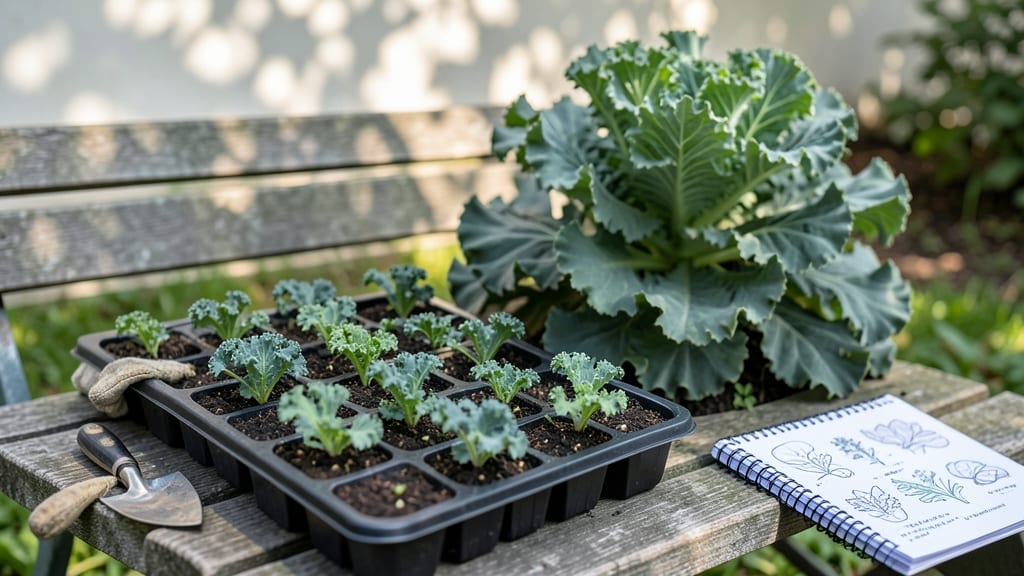
If you’ve ever wondered when to plant kale in Ohio, timing is everything—especially with our unpredictable frosts that can turn a thriving crop into a sad, wilted mess.
But here’s the good news: kale is one of the hardiest greens you can grow, and with the right schedule, you’ll enjoy crisp, flavorful leaves from spring through fall.
Ohio’s USDA Zone 6a climate means you’ve got two prime planting windows: early spring (March-April) and late summer (August-September). The key? Avoid planting too early—wait until soil temperatures rise above 40°F—and always have frost protection ready, like row covers or cloches, to shield young plants from late-season chills.
I’ll show you exactly how to sync your planting with Ohio’s average last frost date (April 15), plus which cold-tolerant varieties perform best in our humidity and short growing season.
Whether you’re aiming for a spring harvest by May or a fall bounty in October, these tips will help you beat the frost and keep your garden producing.
Ready to grow kale that thrives in Ohio’s climate? Let’s dive into the exact months, frost-resistant varieties, and pro tricks to extend your harvest—so you’re never left wondering why your kale didn’t make it.
Ohio’s exact kale planting months by variety type (spring vs fall)
Ohio’s USDA zones 5-7 mean your kale planting schedule hinges on frost dates that can shift yearly.
For spring plantings, aim for 4-6 weeks before your last frost date—typically mid-March to early April—while fall plantings should happen 60-80 days before the first frost (usually late August to early September).
Timing matters because kale thrives in cool weather (40°F–75°F) and can bolt or turn bitter when temperatures climb above 80°F. Ohio’s humid summers also make heat stress a real risk, so fall plantings often yield better results than summer ones.
Here’s how to calculate your exact windows: Subtract 165 frost-free days (Ohio’s average) from your first frost date (usually October 15) to find your last possible fall planting date. For spring, add 4-6 weeks to your last frost date (around April 15).
Pro tip: Use row covers or cold frames to extend your spring harvest window by 2-3 weeks, especially if you’re planting dwarf varieties like ‘Dwarf Blue Curled’ that mature faster.
For baby kale (harvested at 30-40 days), you can plant every 2 weeks from March to September for a continuous supply. Mature kale varieties (like ‘Winterbor’) need 50-60 days to reach harvest size, so plant them 4-6 weeks before your first frost for a winter harvest.
Ohio’s northern regions (e.g., Toledo) have shorter growing seasons, while southern areas (e.g., Cincinnati) can push fall plantings into early October. Check your local Cooperative Extension office for hyper-local frost data to fine-tune your schedule.
🌱 Ohio Kale Planting Timeline Comparison
| Planting Type | Ideal Months (Ohio) | Days to Harvest | Frost Protection Needed | Best Varieties |
|---|---|---|---|---|
| Spring Planting | Mid-March to early April | 50–60 days (mature) | Row covers for early frost | ‘Winterbor’, ‘Lacinato’ |
| Summer Planting | Late July (risky) | 30–40 days (baby) | Shade cloth (70%) | ‘Dwarf Blue Curled’ |
| Fall Planting | Late August to early Sept | 50–60 days (mature) | None (hardy to 20°F) | ‘Red Russian’, ‘Vates’ |
| Succession Planting | Every 2 weeks (March–Sept) | 30–50 days (baby/mature) | Row covers for early/late | ‘Scarlet’ (fast-maturing) |
If you’re planting in containers, start 2 weeks earlier than in-ground plantings because pots warm up faster and dry out quicker. Use 5-gallon containers for mature plants and 3-gallon pots for baby kale, ensuring they have drainage holes to prevent root rot.
Ohio’s soil pH (ideal: 6.0–7.0) often needs adjustment—test yours and amend with lime if below 6.0 or sulfur if above 7.0. Kale is heavy feeders, so mix in 2–3 inches of compost at planting and side-dress with fertilizer every 4–6 weeks.
For direct sowing, plant seeds ½ inch deep and 1 inch apart, thinning to 12–18 inches apart at maturity. If transplanting starts, harden them off for 7–10 days before setting them out to avoid transplant shock.
Remember: Fall kale tastes sweeter after a light frost (25°F–30°F), so don’t rush to harvest! Use straw mulch to insulate plants and protect them from freeze-thaw cycles that can damage leaves.
Ohio’s exact kale planting months by variety type (spring vs fall)
Ohio’s USDA Zones 5-7 mean your kale planting schedule hinges on frost dates and variety maturity. For spring kale, aim to plant 4-6 weeks before Ohio’s average last frost date (mid-April). This gives seedlings time to establish roots before warm soil temperatures trigger bolting.
Meanwhile, fall kale thrives when planted 60-80 days before the first frost (mid-October), ensuring a harvest before winter sets in.
Timing varies slightly by kale variety. Baby kale (like ‘Dwarf Blue Curled’) matures in 30-40 days, while mature kale (like ‘Winterbor’) needs 50-70 days. Adjust your schedule based on whether you’re growing baby leaves for salads or full-sized bunches for cooking.
Ohio’s humid summers also mean late summer plantings (August) can struggle—opt for shade cloth if temperatures exceed 85°F.
| Planting Window | Variety Type | Frost Protection Needed | Transplant Window |
|---|---|---|---|
| Early Spring (March) | Baby Kale | Row covers or cold frame | Start indoors Feb 15 |
| Mid-Spring (April) | Mature Kale | None (after last frost) | Direct sow April 1 |
| Late Summer (August) | Heat-Tolerant Varieties | Shade cloth (if >85°F) | Direct sow Aug 15 |
| Early Fall (September) | All Varieties | Frost cloth (late Sept) | Direct sow Sept 1 |
For spring plantings, start seeds indoors in late February and transplant 4 weeks before last frost. Use row covers if nighttime temps dip below 25°F, as young kale is vulnerable to freeze damage.
In contrast, fall plantings should begin by early August for varieties like ‘Vates’ or ‘Lacinato’, which handle light frosts and even improve in flavor after a 20°F chill.
Ohio’s microclimates can shift frost dates by 1-2 weeks. Check your local Cooperative Extension data for precise averages. For example, northern Ohio (Zone 5) may need an extra week of protection, while southern Ohio (Zone 7) can push spring plantings slightly later.
Always have backup row covers handy—unpredictable late spring frosts are Ohio’s specialty.
Pro tip: Succession plant every 2 weeks in spring and fall to ensure a continuous harvest. For example, plant a batch on March 15, another on April 1, and a final one on August 15.
This staggered approach maximizes your garden space and minimizes pest pressure from concentrated plantings.
Remember, soil temperature matters just as much as air temperature. Kale prefers 50-70°F soil—use a soil thermometer to confirm readiness before transplanting. If soil is too cold (<45°F), roots won’t establish properly, leading to stunted growth or disease susceptibility. Warm your beds with black plastic mulch a week before planting to speed up germination.