
Plants
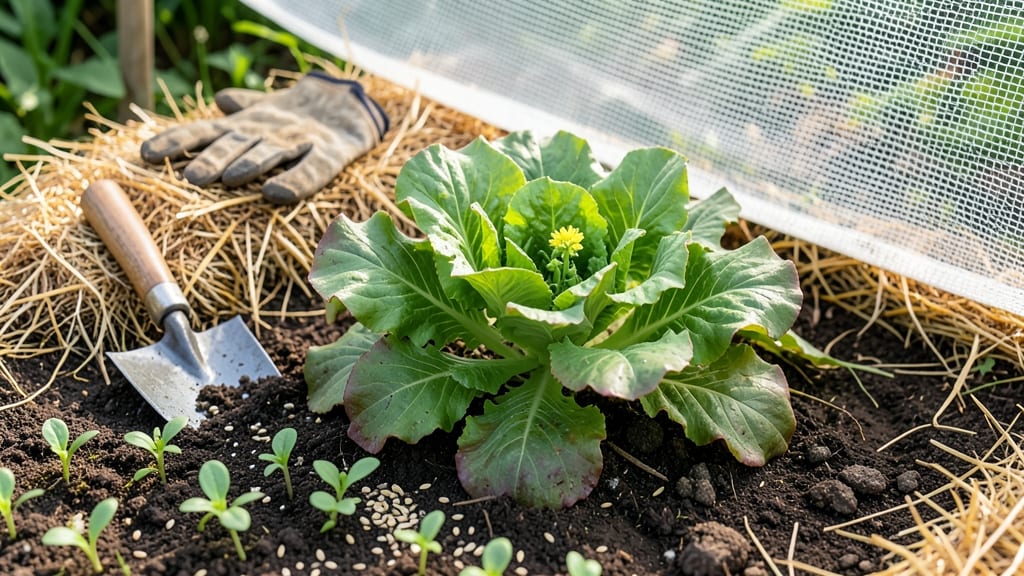
Knowing when to plant lettuce in Arizona is the difference between crisp, sweet greens and bitter, bolted disappointment—especially when summer heat can turn your garden into a lettuce graveyard. The key? Timing your plantings to avoid Arizona’s brutal midday sun while maximizing the cooler months when 🥬 thrives.
Most gardeners in USDA Zone 9b think fall is the only safe window, but with the right strategies—like shade cloth and succession planting—you can actually grow lettuce year-round in Arizona’s desert climate. I’ve tested these methods myself, and the results speak for themselves: no more wilting leaves or premature flowering.
What you’ll discover here are the exact planting windows for Arizona’s low, mid, and high desert zones, plus heat-tolerant varieties that won’t bolt at the first sign of warmth. Whether you’re in Phoenix or Flagstaff, these tips will help you harvest fresh lettuce from September through May—without the stress.
Ready to skip the guesswork? Let’s dive into the science-backed schedule that’ll keep your lettuce crisp, your garden productive, and your salads full of flavor all season long.
Best planting times for lettuce in Arizona’s climate zones
Arizona’s desert climate isn’t just one-size-fits-all—what works in Phoenix (Zone 10) differs from Flagstaff (Zone 8). Lettuce thrives in cool temperatures (50-75°F), so timing your plantings to avoid Arizona’s 100°F+ summers is key. The best window? September through March, with microclimate adjustments for shade and elevation.
High desert areas like Sedona or Prescott can handle slightly later plantings due to cooler nights, while low desert cities (Tucson, Yuma) need earlier starts to beat the heat. Even a 10°F difference can mean the difference between crisp lettuce and bitter bolting.
📅 Pro Tip: Use Arizona’s first frost dates (none in most areas) as a guide—focus instead on heat thresholds (above 80°F triggers bolting). Here’s your zone-specific breakdown:
| Zone | Best Planting Months | Avoid Planting When | Shade Needs | Heat Threshold |
|---|---|---|---|---|
| Low Desert (Zone 10) | Sep–Nov, Feb–Mar | May–Aug (100°F+) | 50% shade cloth summer | >80°F |
| Mid Desert (Zone 9) | Aug–Nov, Jan–Mar | Jun–Sep (90°F+) | 30% shade cloth summer | >85°F |
| High Desert (Zone 8) | Jul–Sep, Feb–Apr | Jun–Aug (95°F+) | 10% shade cloth summer | >90°F |
For Phoenix and Tucson, aim to have lettuce fully grown by May—that means starting seeds indoors by late February or transplanting seedlings in early September. In Flagstaff, you can push plantings into late July thanks to cooler nights, but still avoid August’s heat spikes.
Even within cities, microclimates matter. A north-facing garden stays cooler than a south-facing one by 10-15°F during peak afternoon heat. Use this to your advantage—plant heat-sensitive varieties like Buttercrunch in shadier spots and heat-tolerant Romaine in sunnier areas.
🌡️ Soil Temperature Tip: Lettuce roots struggle in soil above 75°F. Test your soil with a thermometer—if it’s warmer than that, wait or use shade cloth. Mulch with straw or wood chips to keep roots cool by 5-10°F.
Don’t overlook August plantings—they’re risky but possible with shade cloth and daily watering. Try heat-tolerant varieties like Jericho or Black Seeded Simpson, which can handle short heat spells. Just be prepared to harvest quickly before bolting sets in.
For winter plantings (Dec–Feb), focus on cold-hardy varieties like Winter Density or Arctic King. These can tolerate brief frost exposures (below 28°F) in high desert areas, though most Arizona lettuce won’t survive prolonged freezing.
Protect your investment with row covers if frost threatens—even a light frost (28-32°F) can damage tender lettuce leaves. In low desert areas, frost is rare, but high desert gardens may need cloches or cold frames for winter harvests.
How to extend lettuce season in Arizona using succession planting
Arizona’s mild winters and long growing season make it possible to enjoy fresh lettuce almost year-round—but only if you use succession planting and shade strategies. By staggering plantings and protecting your greens from the sun’s intensity, you can harvest crisp lettuce from late summer through early spring.
Here’s how I’ve successfully extended my lettuce season by 6 months in Phoenix.
The key to year-round lettuce in Arizona lies in cool-season timing and heat tolerance. Start with heat-resistant varieties like 'Jericho', 'Black Seeded Simpson', or 'Romaine', which handle 85°F+ temperatures better than delicate butterheads.
Pair these with shade cloth (30-50% coverage) to block afternoon sun (12 PM–4 PM), which triggers bolting. My garden’s fall plantings thrive under shade cloth until November, when temps drop naturally.
🌱 Step-by-Step Succession Planting Guide for Arizona Lettuce
- Late August: Sow heat-tolerant varieties (e.g., 'Jericho') in partial shade (use shade cloth or plant near taller crops). Water deeply every 2 days to prevent stress.
- Mid-September: Transplant seedlings 12 inches apart in raised beds or containers. Add 2 inches of mulch (straw or wood chips) to retain moisture.
- October–November: Remove shade cloth as temps drop below 80°F. Harvest outer leaves to encourage regrowth.
- December–February: Plant cool-season varieties (e.g., 'Buttercrunch', 'Little Gem') in full sun (Arizona’s winter sun is gentle). Protect from light frosts in high desert (Zone 8) with row covers.
- March–Early April: Sow spring varieties (e.g., 'Romaine') under 30% shade cloth to delay bolting. Water morning-only to prevent fungal issues.
Succession planting means sowing new seeds every 2–3 weeks from September through March. For example, if you plant 10 seeds on September 15, sow another 10 on September 30, then October 15, and so on. This ensures a continuous harvest without gaps. In my raised beds, I use straw mulch to keep roots cool and moist—critical during Arizona’s 100°F+ days in late summer.
Don’t overlook crop rotation to prevent soil-borne diseases. Lettuce is a light feeder, so rotate it with nitrogen-fixing plants like clover or peas in summer. I also side-dress with compost every 6 weeks to replenish nutrients.
For container gardening, use self-watering pots and dwarf varieties like 'Tom Thumb' to maximize space and reduce watering frequency.
Pro Tip: Use drip irrigation on a timer to deliver 1/2 inch of water weekly (adjust for rain). Avoid overhead watering, which spreads disease. In high desert areas (e.g., Flagstaff), watch for light frosts in December—cover plants with frost cloth if temps dip below 28°F. My Flagstaff garden lost a batch of lettuce in 2022 due to a 25°F night, but since then, I’ve kept frost cloth handy.
With these techniques, you can enjoy crisp, homegrown lettuce from August through May—no bitter bolting in sight! The secret? Timing, shade, and consistency. Start small with one succession batch this fall, and you’ll be harvesting salads well into spring. 🥬