
Plants
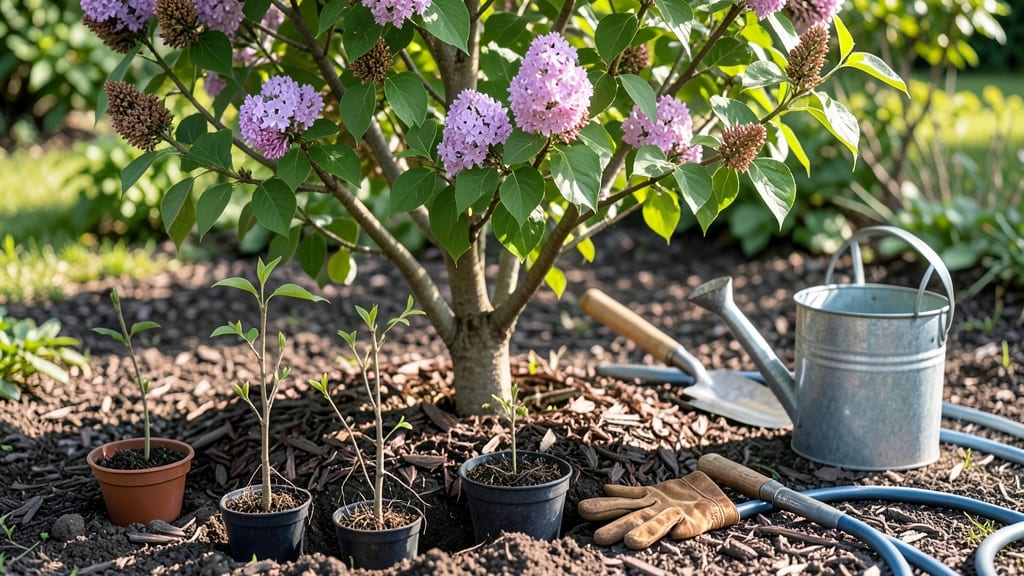
Timing your lilac planting in Colorado is the key to unlocking those fragrant 🌸 blooms year after year—get it wrong, and you might wait forever for your shrubs to thrive.
With hardiness zones ranging from 5-7, Colorado’s varied climate demands precision, especially when frost can still linger into April or arrive as early as October.
Most gardeners swear by early spring planting, but did you know early fall can actually give your lilacs a head start? The secret lies in understanding your specific zone’s last frost date—whether you’re in Denver’s urban heat islands or the cooler mountain valleys—and how soil temperatures shift with elevation.
In this guide, I’ll break down the best months to plant by zone, plus how to prep your soil and spot the perfect moment when buds are firm but leaves haven’t fully hardened.
Skip the guesswork and learn how to give your lilacs the Colorado advantage for healthier roots and earlier blooms.
Ready to transform your yard into a fragrant springtime paradise? Let’s dive into the timing tricks that’ll make your lilacs the envy of every neighborhood.
Best planting months for lilacs in Colorado by hardiness Zone
Colorado’s hardiness zones 4–7 create unique challenges for lilac planting, but timing is everything. The ideal window is early spring (March–April) or early fall (September–October), when soil temperatures hover between 40°F and 60°F. This balance lets roots establish before summer heat or winter freeze sets in.
For Zone 4 (high elevations like Steamboat Springs), prioritize late April–May planting to avoid late frosts that can damage tender roots. In Zone 7 (Denver metro or Colorado Springs), you have more flexibility with March or October as safe bets.
Bare-root lilacs need 6–8 weeks to root before winter, so plant by mid-October at the latest. Container-grown lilacs adapt better to late fall planting but still need 4–6 weeks of root growth before frost.
Soil temperature is your best guide: Use a soil thermometer to confirm 50°F+ at 4" depth. Cold soil slows root growth, while 70°F+ can stress plants.
Avoid planting in summer (June–August)—Colorado’s heat and drought stress young lilacs. Similarly, November plantings risk frost damage before roots establish.
🌸 Colorado Lilac Planting Guide by Zone
| Zone | Best Planting Months | Soil Temp Goal | Key Consideration |
|---|---|---|---|
| 4 (High Elevation) | Late April–May | 50°F–60°F | Avoid late frosts (May 15+) |
| 5 (Front Range) | March–April or Sept–Oct | 45°F–65°F | Spring: Before buds swell; Fall: 6 weeks before frost |
| 6–7 (Southern CO) | February–March or Sept–Oct | 50°F–70°F | Fall planting extends root growth into mild winters |
✅ Pro Tip: Mulch 2–3" deep after planting to retain moisture and regulate soil temp.
For container-grown lilacs, you can plant 1–2 weeks earlier than bare-root, as their roots aren’t exposed. However, avoid planting when daytime temps exceed 85°F, even in containers.
Colorado’s microclimates matter: Urban areas like Denver warm faster than rural zones, so adjust planting 1–2 weeks earlier in cities. High-elevation gardens (e.g., Telluride, Zone 6) may need late May plantings to escape frost.
Test soil 2 weeks before planting—aim for pH 6.5–7.5. Amend with compost or aged manure if your soil is sandy (common in Western Slope) or clay-heavy (common in Eastern Plains).
After planting, water deeply 2–3 times weekly for the first month, then taper to weekly deep soaks. Lilacs hate soggy roots but thrive with consistent moisture during establishment.
Signs your Colorado lilac planting timing is perfect (or wrong)
Timing your lilac planting in Colorado isn’t just about checking a calendar—it’s about reading your garden’s natural signals. The difference between a thriving shrub and a struggling one often comes down to these 3 key indicators of perfect planting conditions.
First, watch for soil temperature—ideal planting occurs when soil warms to 50°F (10°C) in spring or cools to 60°F (15°C) in fall. Use a soil thermometer for accuracy, especially in higher elevations where temperatures lag behind lower zones.
Next, observe leaf color changes in nearby trees. When aspen leaves turn bright green in spring or maple leaves begin yellowing in fall, your lilacs are ready. These cues align with Colorado’s frost-free windows in most zones.
Finally, check for bud swell on your lilac. If buds are firm and woody (not soft), it’s time to plant. Soft buds signal early spring planting risks—frost can still damage tender roots.
Spring Mistake: Planting before last frost (April 15+ in zones 6-7) risks root rot or bud dieback. Use frost cloth if early planting is unavoidable.
Fall Mistake: Planting after first frost (October 15+ in zones 4-5) stunts root growth. Aim for 6-8 weeks before frost for establishment.
Urban Tip: Denver’s heat islands can delay frost—check local microclimates (e.g., Boulder vs. Pueblo) for 2-3°F differences.
For bare-root lilacs, dig a hole when soil is workable but not soggy. Press roots gently—if they bend easily, wait 1-2 weeks. Overwatering at this stage causes oxygen deprivation.
In container-grown lilacs, look for new growth at the base (spring) or hardened leaves (fall). These signs prove the plant’s root system is active and ready for transplanting.
Pro tip: Test soil pH (6.0-7.0) before planting. Colorado’s alkaline soils often need compost or sulfur to create ideal conditions. Adjust 2-3 weeks before planting for best results.