
Plants
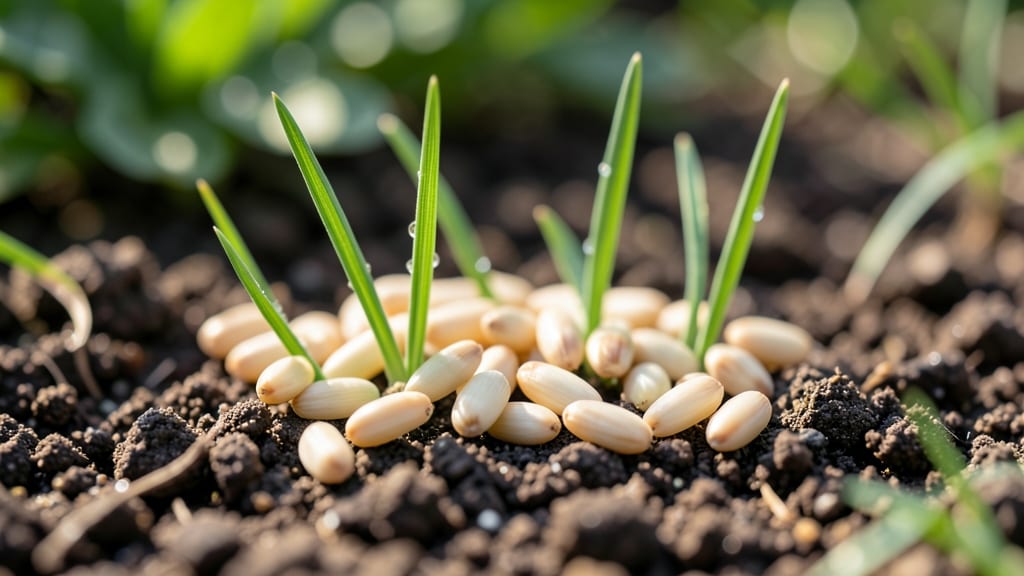
Timing your oat planting for deer in Texas isn't just about throwing seeds on the ground—it's about creating a late-season feast that keeps whitetails coming back to your property.
With Texas's 8a-10a climate zones, getting those 🌾 oats in the ground between late August and early September can mean the difference between a thriving food plot and a wasted investment.
Most hunters assume planting early is best, but in Texas, late summer offers the perfect window to establish oats before the first frost hits. This timing ensures your deer have fresh forage when natural food sources start dwindling.
Whether you're in North Texas where frost can arrive as early as December, or South Texas where it lingers later, knowing the right moment to plant is critical for success.
What makes this timing so special? Oats planted in late August grow quickly, providing deer with nutritious browse just as they're preparing for the rut. Plus, this schedule helps avoid competition with summer weeds and gives your oats a strong start before winter sets in.
Let me show you exactly how to make this work for your Texas property.
In this guide, we'll cover everything from soil prep to variety selection, so you can create a deer-friendly oat plot that becomes the talk of the hunting community. Ready to turn your land into a whitetail magnet? Let's get started.
Optimal Texas oat planting dates by region for maximum deer browsing
Texas’s three distinct climate zones—North, Central, and South—create wildly different oat planting windows for whitetail hunters. In North Texas (USDA Zones 7b-8a), where frosts arrive earliest, your late August planting window closes by September 10 to ensure oats mature before hard freezes.
Meanwhile, South Texas (Zones 9a-10a) offers a more flexible September 15-October 15 window, thanks to milder winters.
Timing isn’t just about frost dates—it’s about deer behavior. Whitetails peak their November-December feeding when oats are 3-4 feet tall and packed with protein. Planting 4-6 weeks before your area’s first frost ensures oats reach this ideal height by mid-November, when bucks are gearing up for rut.
Annual oats (like Crimson Clover mixes) are best for early fall plantings (August-September), while winter oats (such as Austrian oats) thrive when planted late September-October for a January-March deer feast. South Texas hunters often double-plant—sowing annual oats in late August and winter oats in October to extend the feeding window.
Here’s the region-specific breakdown you need to avoid frost-burned oats or overmature plots:
| Region | USDA Zone | Optimal Planting Window | First Frost Date | Deer Browsing Peak |
|---|---|---|---|---|
| North Texas | 7b-8a | August 15 - September 10 | November 15 - December 1 | November 1 - December 20 |
| Central Texas | 8a-8b | August 20 - September 20 | November 1 - November 15 | November 15 - January 10 |
| South Texas | 9a-10a | September 15 - October 15 | December 1 - January 10 | December 1 - February 20 |
Pro tip: Use the National Weather Service’s frost prediction maps to fine-tune your planting date.
For example, if your area’s first frost typically hits November 5, aim to plant Austrian oats by September 20—they’ll reach peak deer height (3-4 feet) by mid-November, just as bucks start rutting and does need high-protein forage.
Adjust for early freezes by planting winter-hardy varieties like TAM Oats or Crimson Clover mixes, which tolerate 20°F temperatures without dying back.
In South Texas, where mild winters extend browsing into February, consider cover crops like ryegrass to overlap with oats and keep deer feeding through late winter.
One common mistake is planting too early (before August 15), which leads to overmature oats by frost. Instead, wait until soil temps drop below 85°F—this signals oats to germinate faster and avoid heat stress.
Use a soil thermometer to monitor temps; 75-80°F is ideal for oat germination.
For maximum deer impact, combine oats with clover or brassicas to create a multi-layered food plot. The clover’s early spring growth pairs perfectly with oats’ late-winter browse, giving whitetails a year-round food source.
Remember: Deer don’t read calendars, but they do respond to food availability. By aligning your oat planting with local frost dates and deer behavior, you’ll turn your food plot into a whitetail magnet from November through February. 🌾
5 Critical factors that determine your oat planting success in Texas
Planting oats in Texas for deer isn’t just about dropping seeds in August—it’s about understanding five critical factors that separate a thriving food plot from a failed investment.
I’ve learned the hard way that ignoring these variables can turn your $500 oat seed into deer snacks for your neighbors instead of your hunting stand.
First, soil pH is non-negotiable for oat germination. Texas soils often run alkaline (7.5-8.5), but oats thrive in 6.0-7.0 pH. I test my soil every year and amend with sulfur if needed—this simple step can double your stand’s success rate.
The moisture window after planting is another dealbreaker. Oats need consistent moisture for 30 days post-planting, but Texas’s unpredictable September rains can either help or hinder. I use drip irrigation on my plots to maintain 1 inch of water weekly until establishment.
Companion planting with clover or brassicas creates a deer magnet effect that oats alone can’t match. I’ve seen whitetails ignore pure oat stands but devour mixed plots within 48 hours. The key is planting clover 2-3 weeks after oats to avoid competition.
Not all oat varieties are created equal for Texas deer. Austrian winter oats outperform cereal oats because they stay green longer through our December freezes. I’ve had hunters tell me their cereal oats died back by November, while my Austrian plots stayed browsed until January.
Timing for peak November/December whitetail activity means planting late August to early September in North Texas and mid-September in South Texas. This aligns with deer’s rut-driven feeding patterns—when bucks are most active near food sources. I mark my calendar for September 15th as my absolute deadline.
Finally, deer pressure management starts at planting. If you don’t protect your young stand with temporary fencing or strategic food sources elsewhere, deer will trample and over-browse your plot before it establishes. I use 100-foot exclusion zones around new plantings for the first 30 days.
🌾 Critical Factors for Texas Oat Planting Success
- 1. Soil pH 6.0-7.0 – Test and amend with sulfur if needed; alkaline soils kill germination.
- 2. 30-day moisture guarantee – Use drip irrigation for consistent 1 inch/week watering post-planting.
- 3. Companion plants – Mix with clover or brassicas for extended deer appeal and soil health.
- 4. Austrian winter oats – Outlasts cereal oats by 6+ weeks in Texas winters.
- 5. Rut-timing alignment – Plant by September 15th to coincide with peak November/December deer activity.
These five factors have saved me from multiple failed plots over the years. The difference between a browsed-out stand and a whitetail paradise often comes down to paying attention to these details—especially that soil pH test and moisture management.