
Plants
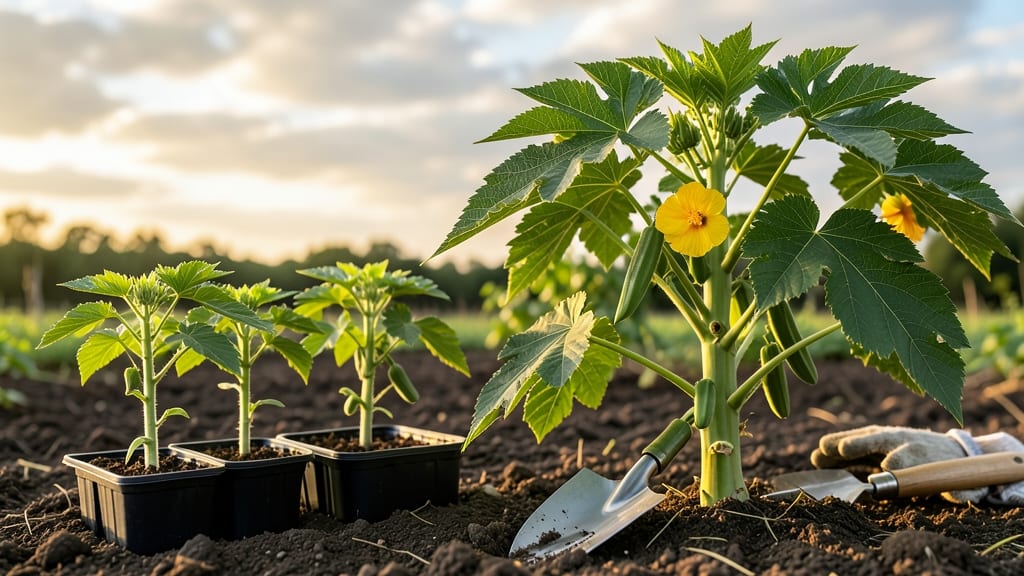
Timing your okra planting in California wrong could mean the difference between a bountiful harvest and a sad, wilted garden. The perfect window depends on more than just the calendar—it’s all about soil warmth and your local microclimate.
From the foggy coasts of San Francisco to the scorching deserts near Palm Springs, California’s diverse zones (9-11) mean what works in one region fails in another.
If you’ve ever wondered why your okra struggled last season, the answer might be as simple as planting too early or too late for your specific corner of the state.
I’ll break down the exact soil temperature triggers (yes, it’s not just about frost dates!) and how to adjust for coastal delays, inland heat, and desert quirks. By the end, you’ll know precisely when to drop those seeds for juicy, prolific pods—no guesswork.
Ready to turn your okra dreams into reality? Let’s dig into the secrets that’ll have your plants thriving from March to September (or year-round, if you’re coastal!).
California okra planting zones by soil temperature (not just USDA zones!)
Okra thrives when soil temperatures hit at least 60°F, not frost dates. California’s USDA zones 9-11 are misleading—coastal areas (like San Francisco) can plant 3+ weeks later than inland valleys (like Sacramento). The key? Soil thermometers or local agricultural extension reports.
Most California regions hit 60°F soil warmth between late March and mid-May, but desert areas (like Palm Springs) can start as early as February. Coastal fog belts (e.g., Santa Cruz) may delay planting until May.
Here’s how to match your location to the right planting window:
| Region | Soil Warmth Trigger | Planting Window | Key Notes |
|---|---|---|---|
| Southern California (LA, San Diego) | Late March–Early April | March 15–April 30 | Coastal areas wait until April 15 to avoid heat stress. |
| Central Valley (Fresno, Bakersfield) | Early April | April 1–May 15 | Hotter inland zones plant earlier; mulch to retain moisture. |
| Coastal (San Francisco, Santa Barbara) | Mid-May | May 1–June 15 | Fog delays warmth; use black plastic mulch to warm soil faster. |
| Desert (Palm Springs, Joshua Tree) | February–Early March | February 15–March 30 | Plant early to avoid summer heat; shade cloth helps. |
Pro tip: Use a soil thermometer ($10 at garden centers) to confirm warmth. Stick it 2 inches deep in the morning—60°F+ means it’s go-time for seeds! Planting too early in cool soil causes rot or stunted growth.
Okra’s germination rate drops below 55°F, so don’t rush. If your area hasn’t warmed by May 1, consider container growing near a sunny wall to control soil heat.
For urban gardeners, check your microclimate: South-facing walls warm 5–10°F faster than open soil. Use dark mulch (like straw) to accelerate soil warming.
Once planted, okra bolts to 6–10 feet tall in 60–80 days. But timing is everything—late plantings in August may not mature before fall rains or cooler nights.
🌱
Microclimate secrets: when to plant okra in coastal vs. inland California
California’s coastal regions—like San Francisco and Santa Barbara—can plant okra 3+ weeks later than inland valleys such as Sacramento or Fresno. The difference? Coastal fog delays soil warming, while inland areas hit 60°F soil temps weeks earlier.
Even urban heat islands in L.A. or San Diego can shift planting windows by 10 days compared to nearby coastal areas.
For coastal gardens, aim for late April to early May when morning fog lifts by 10 AM. Inland areas should start mid-March to early April, while desert regions like Palm Springs can plant as early as February—but watch for spring heatwaves that can stress seedlings.
🌱 Key Tip: Use a soil thermometer ($10 at garden centers) to verify 55°F+ soil temps at 2-inch depth. Coastal gardeners often need to wait until May 15 or later, while inland gardeners can plant by April 1 in most years.
🌿 Coastal vs. Inland Okra Planting Comparison
| Region | Ideal Planting Window | Soil Temp Trigger | Microclimate Notes |
|---|---|---|---|
| Coastal (SF, Santa Barbara) | Late April–May 15 | 60°F+ (fog delays warming) | Fog belts slow germination; use black plastic mulch to warm soil. |
| Inland Valleys (Sacramento, Fresno) | Mid-March–April 1 | 55°F+ (soil warms faster) | Urban heat islands plant 10 days earlier than rural areas. |
| Desert (Palm Springs, Coachella) | February–March 15 | 65°F+ (hotter soil) | Plant early to avoid 100°F+ summer stress; use shade cloth. |
💡 Pro Tip: Coastal gardeners can extend harvests by planting again in late July for fall crops.
If you’re in a transition zone (e.g., Santa Cruz Mountains or Ventura foothills), split your seeds: plant half in April and half in May to hedge against unpredictable fog.
Inland gardeners should avoid planting after June 1, as long daylight and high heat can cause bitter pods.
For container gardening in cities like Los Angeles, use black pots to absorb heat and plant 2 weeks earlier than ground plantings. Always choose heat-tolerant varieties like 'Clemson Spineless' or 'Emerald', which handle California’s summer extremes better than standard types.
Remember: Okra thrives on heat, but seedlings hate it. Use row covers for the first 2 weeks after planting to protect tender sprouts from coastal winds or desert heat spikes. Once established, your plants will reward you with pods in 60 days—if you time it right!