
Plants
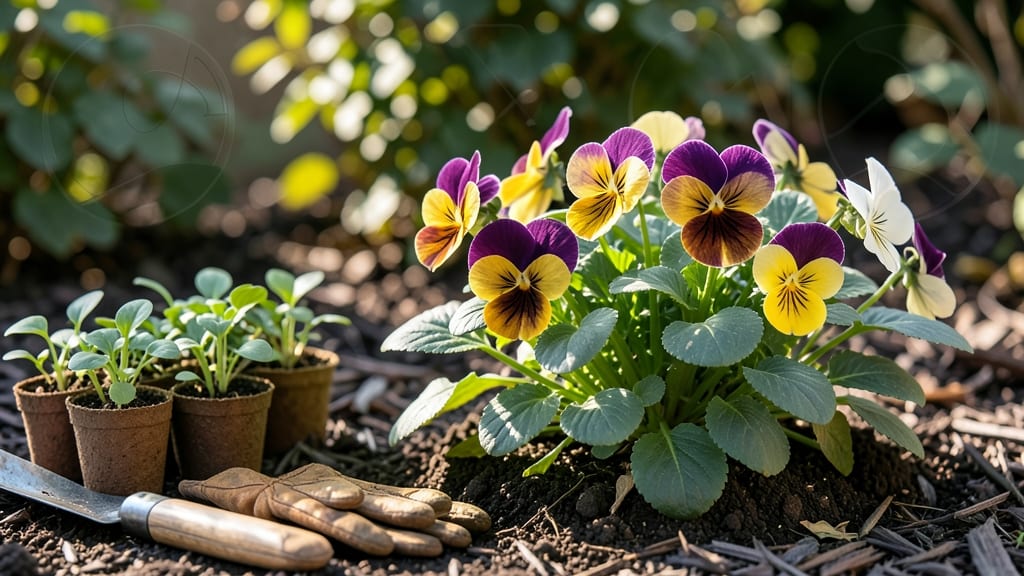
If you’ve ever dreamed of a garden bursting with vibrant color just as summer fades into fall—or waking up to cheerful blooms in early spring—the best time to plant pansies in Zone 7 is your secret weapon.
But here’s the catch: planting them at the wrong time means risking frost damage or weak growth, and nobody wants that.
The perfect window for pansies in Zone 7 isn’t just about the calendar—it’s about beating frost while giving them time to establish roots. Whether you’re aiming for fall blooms that last through winter or spring flowers that greet you early, timing is everything.
I’ll show you exactly when to plant for maximum impact, plus how to prep your soil and avoid common mistakes that sabotage pansies.
Think of pansies as the underrated stars of cool-season gardens—they thrive when temperatures dip, but push them too early, and they’ll bolt or wilt. With the right strategy, you’ll enjoy months of blooms instead of a fleeting display.
Let’s dive into the ideal planting months and the simple steps to keep your pansies looking their best all season.
From choosing the right varieties for Zone 7’s microclimates to spacing them correctly for airflow, I’ve got you covered. By the end, you’ll know not just when to plant but how to set them up for success—so you can enjoy those cheerful 🌸 faces in your garden year after year.
Optimal planting months for pansies in Zone 7 to avoid frost
Pansies in Zone 7 demand precise timing to thrive. Planting too early exposes them to summer heat stress, while late planting risks frost damage. The sweet spot? 4-6 weeks before your first frost—typically late August to early September for fall blooms.
For spring color, aim to plant 6-8 weeks before your last frost date (around March in most of Zone 7). This ensures roots establish before warm weather arrives, preventing leggy growth.
Zone 7 spans 7a (0-5°F) and 7b (5-10°F), so adjust slightly: cooler microclimates (like higher elevations) may need earlier planting. Always check your local frost dates—they vary by 5-10 days across the zone.
🌸
| Planting Window | Zone 7a (0-5°F) | Zone 7b (5-10°F) | Key Considerations |
|---|---|---|---|
| Fall Blooms | Late August - Early September | Early September | Plant 4-6 weeks before first frost (avg. Oct 15) |
| Spring Blooms | Early March | Mid-March | Plant 6-8 weeks before last frost (avg. Apr 15) |
| Late Summer Backup | July (shade protection) | July (shade protection) | Use shade cloth if temps exceed 85°F |
| Winter Hardiness | Mulch heavily (3-4 inches) | Mulch heavily (3-4 inches) | Protect with row covers for heavy freezes |
Zone 7's variable climate can throw off timing. For example, Atlanta (7b) might see first frost on October 20, while Raleigh (7a) could hit frost by October 10. Always verify your local extension service data—it’s the most accurate guide.
Pro tip: Start with transplants instead of seeds. Seeds need 60-70°F soil to germinate, which is tricky in Zone 7's sweltering July. Transplants skip this step and bloom faster.
If you miss the fall window, don’t panic! Pansies handle light frost (down to 20°F with protection). Plant October transplants for winter color, then mulch to insulate roots. They’ll reward you with early spring blooms when most gardens are still bare.
For container gardening, adjust timing by 1-2 weeks earlier. Pots dry out faster and heat up quicker, stressing plants. Use self-watering containers and move them to shadier spots during peak afternoon sun.
🌿
Optimal planting months for pansies in Zone 7 to avoid frost
Pansies love cooler temperatures, so timing your Zone 7 planting is critical to avoid summer heat stress or frost damage. The ideal window spans early fall (August-September) for vibrant fall blooms and early spring (March-April) for spring color.
Zone 7’s first frost date (October 15) and last frost date (April 15) create these perfect planting slots.
For fall planting, aim to get pansies in the ground 4-6 weeks before frost. This means late August to early September—just as summer’s intensity wanes. Spring planting should happen 6-8 weeks before last frost, so early March ensures blooms by late April.
These timelines help pansies establish roots without competing with summer’s heat or winter’s chill.
Zone 7’s microclimates can shift frost dates by 1-2 weeks. Check your local average frost dates—some areas may extend fall planting to mid-September or delay spring planting until late March. Adjust accordingly to maximize bloom time.
| Season | Planting Window | Key Consideration | Temperature Threshold |
|---|---|---|---|
| Fall | Late August - Early September | Establish roots before frost | 50-60°F soil temps |
| Spring | Early March - Mid-April | Bloom before summer heat | 45-55°F soil temps |
| Avoid | June - July | Summer heat stress | Above 80°F |
If you miss the ideal window, late July or October can still work for pansies, but expect shorter bloom cycles. Late July plantings may struggle with summer heat, while October plantings risk frost before roots establish. Prioritize shade protection in these edge cases to improve survival rates.
For container gardening, adjust timing slightly—containers warm faster and dry out quicker. Plant 1-2 weeks earlier in fall and 1-2 weeks later in spring to account for these differences. Always use well-draining pots to prevent root rot in Zone 7’s humid summers.
Pro tip: Mark your calendar for Zone 7’s average frost dates—they’re your planting guideposts. Local weather stations or gardening apps like Old Farmer’s Almanac provide precise dates tailored to your specific microclimate. Happy planting! 🌿