
Plants
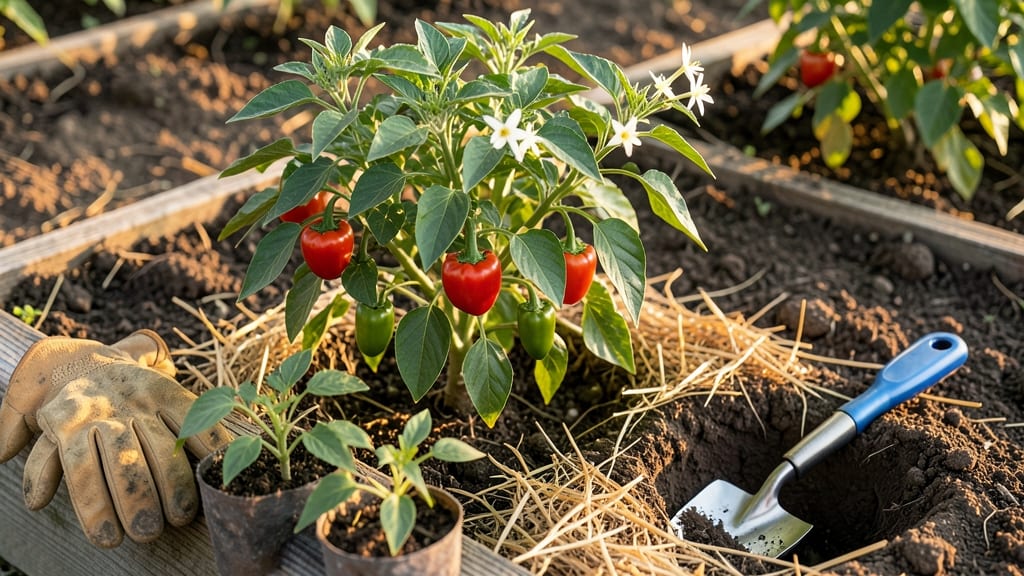
Timing your 🌶️ pepper planting in Alabama isn't just about following a calendar—it's about mastering the delicate balance between soil warmth, frost risks, and the state's infamous humidity spikes. Get it wrong, and you might end up with stunted plants or wasted seeds, even in the same backyard.
Alabama's climate varies dramatically from its cooler northern regions to the steamy southern coast, but one rule stays constant: peppers hate cold soil.
We're talking 60°F or warmer—and that means waiting until after the last frost date, which can arrive anywhere from mid-March to early April depending on where you garden.
Whether you're a first-time gardener or a seasoned pro, knowing exactly when to plant—whether you're starting seeds indoors in February or transplanting seedlings in May—makes all the difference between a bountiful harvest and a disappointing one.
Let's break down the perfect planting windows for every Alabama heat zone, so you can grow peppers that thrive from summer through fall, no matter where you live in the state.
Alabama pepper planting timeline by heat Zone (USDA 7b-8b)
Alabama’s USDA heat zones 7b and 8b create distinct planting windows for peppers, with North Alabama (7b) facing earlier frost risks than South Alabama (8b). Understanding these zones helps you avoid late spring frosts that can devastate young plants while preventing summer heat stress that stunts growth.
Let’s break down the exact planting timeline for both zones, including soil temperature thresholds and transplant windows.
Peppers thrive when soil temperatures reach at least 60°F, but ideal germination occurs at 70-85°F. In Alabama, this typically means waiting until mid-April to early May for North Alabama and late March to April for South Alabama.
However, these dates shift based on your microclimate—coastal areas may plant earlier, while inland regions should wait.
For gardeners in USDA Zone 7b (e.g., Huntsville, Decatur), the last average frost date is around April 15. This means you should start seeds indoors 8-10 weeks before or transplant hardened-off seedlings after May 1.
In Zone 8b (e.g., Mobile, Birmingham), the frost window is shorter, allowing earlier direct sowing as soon as soil warms in mid-March.
🌱 Key Takeaway: Alabama’s pepper season runs from late spring to early fall, but your first harvest timing depends on whether you start seeds indoors or transplant mature seedlings. Indoor starts give you a 2-3 week head start over direct sowing.
If you’re direct sowing seeds outdoors, wait until soil temperatures consistently stay above 70°F—this usually aligns with late April to early May in North Alabama and mid-March to April in South Alabama.
Use a soil thermometer to confirm; peppers won’t germinate in cold soil, and slow starts lead to pest vulnerabilities.
For transplanting seedlings, harden them off for 7-10 days before moving to the garden. In Alabama, this means transplanting after May 1 in Zone 7b and after April 1 in Zone 8b.
Choose overcast days or late afternoon to reduce transplant shock. Water deeply before and after transplanting to help roots establish.
Pro tip: Succession planting every 2-3 weeks after your initial transplant ensures a continuous pepper harvest through fall. For example, plant a second batch in early June to harvest in late August-September, just before cooler weather arrives.
Alabama’s humidity and heat can stress peppers if planted too early. Wait until June for late varieties if you’re in Zone 7b, as summer heat often peaks in July-August.
Varieties like ‘Carolina Wonder’ or ‘Jupiter’ handle Alabama’s climate better than sensitive heirlooms, so choose wisely based on your zone.
🌶️ Remember: Peppers need warmth to thrive, so don’t rush the process. Patience in planting pays off with bigger yields and healthier plants all season long.
How to adjust planting for Alabama’s unpredictable spring weather
Alabama’s spring weather is famously fickle—one day you’re bundling up for late frosts, and the next, your seedlings are wilting under 90°F heat. This unpredictability makes pepper planting a high-stakes game. The key?
Flexible strategies that protect your plants while letting them thrive. I’ve learned to treat each spring like a poker hand: you’ve got to play your cards right or risk losing your entire crop.
Start by monitoring your local frost dates. North Alabama (USDA Zone 7b) can see frost into early April, while South Alabama (Zone 8b) typically breaks free by mid-March. But don’t rely solely on averages—check the National Weather Service or local extension office for real-time updates.
I keep a garden journal to track when my area’s last frost actually occurs, not just the “typical” date.
For extra protection, use row covers or cold frames to shield young plants. These create a microclimate that can raise soil temperatures by 5-10°F and protect against light frosts. I’ve had success with floating row covers draped over hoops—just
Even hardy pepper varieties like ‘Carolina Wonder’ or ‘Jupiter’ can’t survive 28°F frosts. If a hard freeze warning appears after planting, cover plants immediately with blankets or burlap. Water the soil before covering to insulate roots—this simple trick can save your seedlings.
🌱 Pro Tip: Plant heat-tolerant varieties like ‘NuMex Heritage’ or ‘Aristotle’ if your spring is notoriously cool. These handle 50-60°F nights better than standard types.
Sudden heat waves are another Alabama spring hazard. Peppers stop growing when soil temperatures exceed 90°F, and flowers may drop off entirely. To mitigate this, I use shade cloth (30-50% shade) during the hottest afternoons, especially for transplants.
Mulching with straw or wood chips keeps roots cool and retains moisture—critical when Alabama’s spring showers turn into drought conditions overnight.
For gardeners in coastal areas (like Mobile or Pensacola), humidity adds another layer of complexity. Fungal diseases like pepper blight thrive in wet, warm conditions. I space my plants 18-24 inches apart for airflow and avoid overhead watering.
A fan on low speed near the garden can reduce humidity around plants without stressing them.
Finally, consider succession planting to spread risk. Instead of planting all your peppers at once, stagger transplants every 2-3 weeks from late April through early June. This ensures a continuous harvest and means you won’t lose everything if one planting window fails.
I’ve had my best luck with short-day varieties like ‘Cayenne Long Slim’, which mature faster and give me a second harvest before fall frosts hit.