
Plants
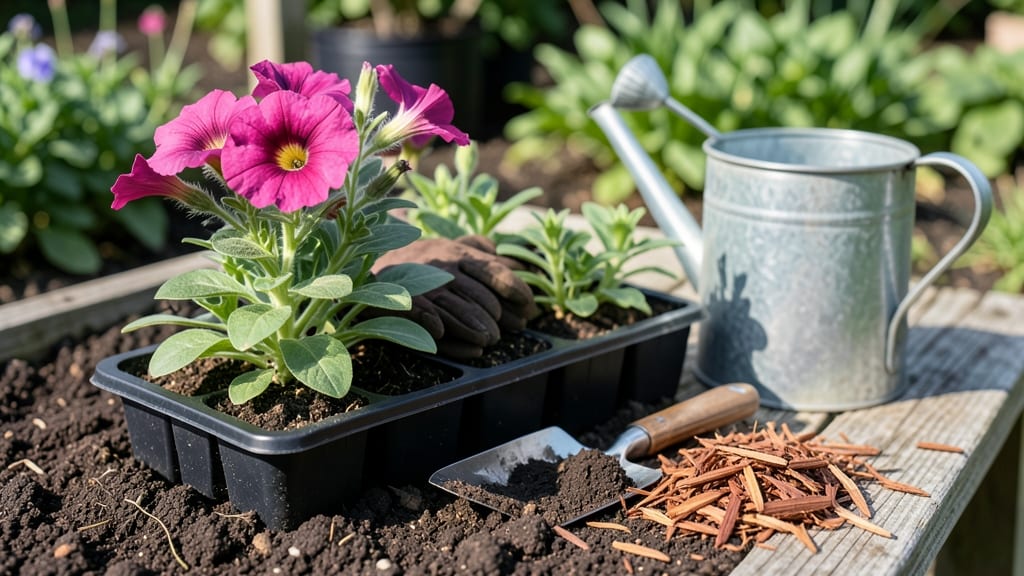
Timing your petunia planting in Texas can mean the difference between a garden bursting with 🌸 vibrant blooms all summer and wilted plants struggling against the heat. With Texas's diverse climate zones—from the cooler North to the sweltering South—getting the window right is key.
Most gardeners in USDA zones 8a-10b should plant petunias between February and March in North Texas, while those in South or Central Texas can start as early as January and extend planting through April.
But here's the catch: planting too early risks frost damage, while waiting too long might leave your petunias fighting the Texas heat before they even take root.
In this guide, I’ll break down the exact planting windows for your specific Texas region, plus pro tips for preparing soil, choosing containers, and keeping your petunias thriving through 100°F+ summers.
Whether you're a first-time gardener or a seasoned plant parent, these strategies will help you avoid common mistakes and enjoy nonstop color from April to October.
Ready to transform your garden into a petunia paradise? Let’s dive into the heat-zone secrets that’ll keep your flowers blooming longer—and looking healthier—than ever before.
Best planting times for petunias in Texas heat zones (8a-10a)
Texas’s diverse heat zones—from Zone 8a in the Panhandle to Zone 10a along the Gulf Coast—create unique challenges for petunia lovers. The last frost dates vary wildly, but one rule remains constant: plant petunias after soil warms to 50°F.
In North Texas, this means waiting until mid-March, while Gulf Coast gardeners can start as early as January.
Direct sowing petunias is rarely recommended in Texas due to our long, hot summers. Instead, transplant seedlings from local nurseries once nighttime temperatures stay above 55°F consistently. This timing ensures your petunias establish roots before 100°F+ heat waves arrive, which can cause rapid wilting.
For container gardening, you have a 2-3 week advantage over in-ground planting. Pots warm up faster, allowing you to plant container petunias 2 weeks earlier than in-ground varieties. Just ensure containers have drainage holes and use lightweight potting mix to prevent root rot in Texas’s intense heat.
🌱
| Texas Heat Zone | Ideal Planting Window | Soil Temp Requirement | Key Consideration |
|---|---|---|---|
| Zone 8a (Panhandle, North) | Mid-March to early April | 50°F minimum | Wait for last frost (typically March 15) |
| Zone 8b (Dallas/Fort Worth) | Late February to March | 50°F minimum | Use shade cloth if planting early |
| Zone 9a (Austin, San Antonio) | January to early April | 55°F minimum | Containers thrive 2 weeks earlier |
| Zone 9b (Houston, Coastal) | December to March | 55°F minimum | Watch for humidity-related diseases |
| Zone 10a (Deep South Texas) | November to February | 60°F minimum | Fall planting avoids summer heat |
If you miss the spring planting window, don’t despair—Texas gardeners can also plant petunias in early fall for late-season blooms. Aim for September planting in North Texas and August in South Texas to ensure flowers appear before the first frost.
Fall-planted petunias often outperform spring-planted ones because they avoid the brutal summer heat.
For urban gardeners with limited space, hanging baskets and window boxes are perfect for petunias. These containers retain moisture better and can be moved to shadier spots during peak afternoon heat. Just remember: trailing varieties like 'Supertunia' need more frequent watering than bush types in Texas’s dry air.
One critical mistake Texas gardeners make is planting petunias too early and then struggling with cold snaps. Always check your local Cooperative Extension Service for last frost dates—even a single 32°F night can kill young petunia seedlings.
Pro tip: Use row covers if you must plant early in Zone 8a or 8b.
After planting, mulch heavily with 2-3 inches of organic mulch (like shredded bark) to lock in moisture and regulate soil temperature. In Texas’s evaporative climate, mulch can reduce watering needs by 30%, giving your petunias a fighting chance during 100°F+ heat waves.
🌿
Best planting times for petunias in Texas heat zones (8a-10a)
Texas’s diverse climate—from North Texas’s chilly winters to South Texas’s brutal summers—means petunias need precise timing to thrive. Plant too early, and frost will kill seedlings; too late, and heat stress stunts blooms before they start. The key is aligning with your USDA zone and last frost date.
For most of Texas (Zones 8a-9b), the ideal planting window spans from late February to early April. This gives petunias time to establish roots before consistent 90°F+ temperatures arrive.
In South Texas (Zone 10a), you can start as early as January, while North Texas (Zone 8a) gardeners should wait until mid-March.
| Zone | Last Frost Date | Best Planting Window | Soil Temp Requirement |
|---|---|---|---|
| 8a (North Texas) | Mid-March | Late March - Early April | 50°F+ |
| 9a (Central Texas) | Early March | February - March | 50°F+ |
| 10a (South Texas) | Late January | January - Early April | 55°F+ |
Container gardeners have more flexibility—they can plant 2-4 weeks earlier than in-ground because pots warm up faster. Just ensure containers have drainage holes to prevent root rot in Texas’s intense heat. For direct sowing (rare for petunias), wait until soil temps hit 60°F+, usually late April.
Fall planting is possible in North/Central Texas (Zones 8a-9a) for autumn blooms, but only if you start seeds indoors by July and transplant after September’s heatwave subsides. South Texas’s late summers are too hot for fall petunias. Always harden off seedlings for 7-10 days before transplanting to avoid shock.
Watch for Texas’s unpredictable weather: A late frost in April can still occur in North Texas, while sudden summer storms in May can drown seedlings. Use weather alerts to adjust your planting schedule—delay if frost is forecasted within 5 days.
Once planted, mulch heavily with 2-3 inches of organic mulch to retain moisture and regulate soil temperature. In Zone 10a, shade cloth (30-50%) during peak afternoon sun (12 PM - 4 PM) can double bloom time. Remember: Petunias are annuals, so focus on spring/fall planting for year-round color.