
Plants
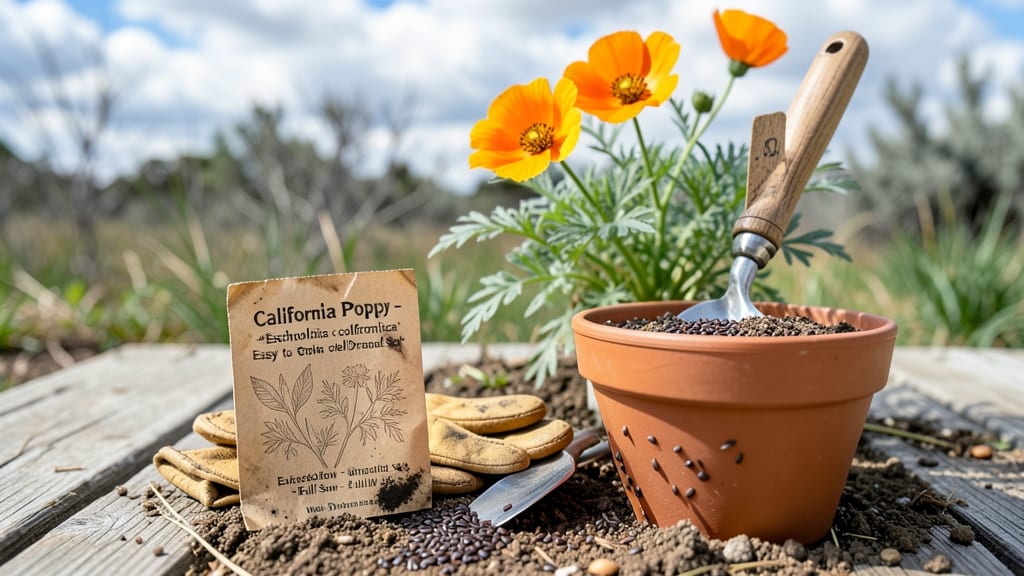
Michigan poppy planting calendar: frost-free dates by USDA Zone
Michigan’s USDA Zones 4-6 create a unique challenge for poppy lovers—too early, and frost zaps tender seeds; too late, and you miss their ephemeral summer blooms.
The key? Planting when soil temps hit 50°F+ and frost risk drops below 10%. Let’s break down the zone-specific windows for Michigan’s three main regions.
Northern Michigan (Zone 4, including the Upper Peninsula) has the shortest growing season. Here, poppy seeds should wait until mid-May after the last frost—typically around May 15-20. For early blooms, consider fall planting in August, when biennial poppies establish roots before winter dormancy.
Southern Michigan (Zone 6, like Detroit and Ann Arbor) enjoys earlier springs. You can start sowing as early as late March to early April (after March 15 frost dates). Fall planting works too, but aim for late August to early September to avoid early frost.
Central Michigan (Zone 5, including Lansing and Grand Rapids) falls in between. Target April 15-May 1 for spring planting, or late August for fall. Always check your local Michigan State University Extension frost maps for precise dates—conditions vary yearly.
🌱 Pro Tip: Poppies are biennials—planting in fall often yields better blooms the following summer, as seeds overwinter and germinate in spring.
Poppies thrive in full sun (6+ hours daily), so choose south-facing beds with well-draining soil. In Michigan’s clay-heavy soils, mix in compost or sand to prevent waterlogging—poppy roots rot easily in soggy conditions.
For early blooms, try Papaver nudicaule (Iceland poppy), which tolerates cooler temps better than Papaver rhoeas (common poppy). Start seeds indoors in February under grow lights if you’re eager to beat the frost.
Remember: Poppy seeds are tiny and slow to germinate (14–21 days). Mark your planting spots with biodegradable flags to avoid disturbing them while waiting for those first delicate green shoots to appear.
🌸 Key Takeaway: Plant after last frost (spring) or 6-8 weeks before first frost (fall) for Michigan’s Zone 4-6 gardeners. Adjust for your exact location using local frost data—your poppies will thank you with months of vibrant color!
Michigan poppy planting calendar: frost-free dates by USDA Zone
Michigan’s diverse climate—from the Upper Peninsula’s Zone 4 to Southern Lower’s Zone 6—means poppy planting windows vary by 10–14 days. Biennial poppies like Papaver nudicaule need consistent soil temps above 50°F to germinate, while tender varieties like Papaver rhoeas thrive in warmer spring soil.
Plan ahead: Northern Michigan’s last frost often hits May 15, while Southern Michigan sees frost-free soil by April 15.
For maximum blooms, aim to plant poppy seeds 4–6 weeks before your area’s last frost date. This gives seedlings time to establish roots before summer heat sets in. Fall planting is also an option—sow seeds in early September for a spring bloom, as they’ll overwinter in the soil.
Just ensure seeds are planted 6–8 weeks before first frost to avoid winter kill.
🌱
| USDA Zone | Region | Last Frost Date | Ideal Planting Window | Fall Planting Window |
|---|---|---|---|---|
| Zone 4 | Upper Peninsula | May 15–20 | April 15–May 10 | September 1–15 |
| Zone 5 | Northern Lower | May 1–10 | March 20–April 15 | August 20–September 10 |
| Zone 6 | Southern Lower | April 15–May 1 | March 1–April 10 | August 10–September 5 |
Adjust for microclimates—urban areas warm faster than rural zones.
Check your local Michigan State University Extension frost charts for precise dates, as urban heat islands can shift frost dates by 1–2 weeks earlier.
For example, Detroit’s Zone 6a often sees frost-free soil by April 1, while Traverse City’s Zone 5b may not reach 50°F soil temps until mid-April. Use a soil thermometer to confirm—poppy seeds need consistent warmth to sprout reliably.
Pro tip: Mark your calendar for April 15 (Southern Michigan) or May 1 (Northern Michigan) as your final deadline for spring planting. Seeds sown after these dates risk bolting (premature flowering) due to Michigan’s short, hot summers.
For a second bloom cycle, try a late summer sowing in August—these poppies will often flower the following spring.
🌸