
Plants
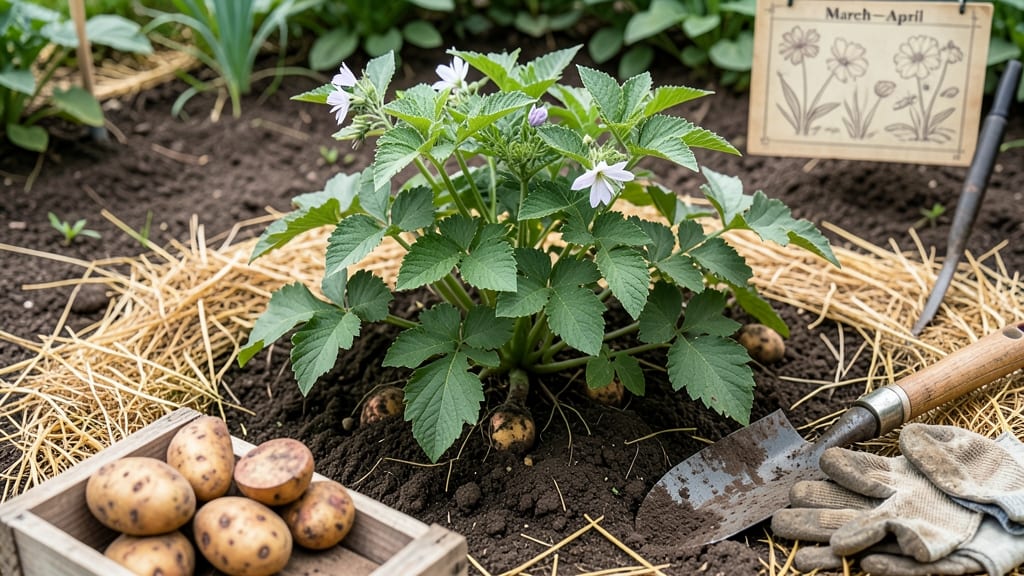
Northern California potato planting calendar by microclimate: coastal vs. Valley vs. foothills
Northern California’s diverse climates create wildly different potato planting windows. The coastal fog belt (San Francisco Bay Area) has cooler, wetter springs, while the Central Valley (Sacramento/Stockton) enjoys warmer, drier conditions.
Even the foothills (Napa/Sierra) face unique frost risks. Let’s break down the ideal planting deadlines for each zone to maximize your tuber harvest.
In the coastal region, where last frosts often linger until March 15, aim to plant early varieties like Yukon Gold in February. The Central Valley, with its earlier last frost (Dec 15), can start late varieties (Russet Burbank) as early as March 1.
Meanwhile, foothill areas (USDA Zone 8a) may need to wait until late March to avoid late-spring frosts.
Here’s how these microclimates compare at a glance:
For coastal gardeners, prioritize early-maturing varieties (60-90 days) to beat summer’s foggy, damp conditions. In the Central Valley, late varieties (90-120 days) thrive with the longer growing season. Meanwhile, foothill gardeners should use row covers to protect against late frosts that can linger into April.
Soil temperature is your secret weapon. Use a soil thermometer to confirm 45°F (7°C) before planting—cooler soils delay sprouting. In the Valley, wait for 50°F (10°C) to avoid stunted growth. Pro tip: Black plastic mulch warms soil faster in cooler zones.
Missed the spring window? Try a fall planting in the Central Valley (August-September) for a winter harvest. Coastal areas can attempt late summer plantings (July), but yields will be smaller due to shorter daylight. Always use certified seed potatoes to avoid disease.
Remember: Potatoes need 90-120 days to mature. Planting too late in cooler zones risks small tubers, while Valley heat can cause greening (toxic solanine buildup). Time it right, and you’ll dig up bountiful harvests all summer long! 🌱
Need a quick reference? Bookmark this guide and check back before planting—weather patterns shift yearly. For real-time updates, follow your local Cooperative Extension office for frost alerts. Happy digging! 🥔
How to adjust planting dates for early vs. late varieties in Northern California’s climate
Northern California’s climate demands flexibility in potato planting—early varieties like Yukon Gold and Red Pontiac thrive in coastal chill, while late varieties such as Russet Burbank need the Central Valley’s extended summers. The key is matching your potato variety to your microclimate’s frost-free window and soil temperature trends.
Coastal areas (e.g., San Francisco Bay Area) can start as early as late January for early varieties, thanks to milder winters. Meanwhile, inland regions like the Sacramento Valley should wait until mid-March to avoid late frosts that can blacken tender sprouts.
In the foothills, where nights stay cool longer, even late varieties may need a staggered planting approach.
Here’s how to align your planting with the right variety and climate zone for maximum success:
🌱 Numbered Highlights: Variety-Specific Planting Strategies
- Early Varieties (60-90 days): Plant Yukon Gold or Red Pontiac in coastal zones by February 1 to harvest by June 15. These thrive in cooler temps and shorter seasons.
- Mid-Season Varieties (90-110 days): Choose Kennebec for Central Valley plantings in early March. Ideal for areas with 100+ frost-free days.
- Late Varieties (110-120 days): Russet Burbank needs Sacramento’s heat—plant by March 15 for a September harvest.
- Foothill Adjustments: Add 1-2 weeks to planting dates if your elevation exceeds 2,000 feet. Use black plastic mulch to warm soil faster.
- Soil Temp Check: Wait until soil reaches 45°F (7°C) at 6 inches deep—use a soil thermometer to avoid cold-soil shock.
For coastal gardeners, prioritize early-maturing varieties to escape summer’s humidity and fungal risks. In the Central Valley, late varieties reward patience with larger tubers, but plant 6 weeks before the first expected 80°F (27°C) stretch to prevent heat stress.
In foothill gardens, consider staggered plantings—start with early varieties in March, then add mid-season types in April.
Pro tip: Use row covers in early spring to accelerate soil warming by 2-3 weeks, especially in high-altitude foothills. This trick lets you plant 2 weeks earlier without frost risk.
Pair this with well-draining soil amended with compost to prevent waterlogged tubers—a common issue in Valley clay soils.
Remember, Northern California’s weather is unpredictable. Always have a backup plan, like row covers for late frosts or shade cloth for summer heatwaves. With the right variety and timing, your potato patch can yield bountiful harvests from June through September—no matter your microclimate.