
Plants
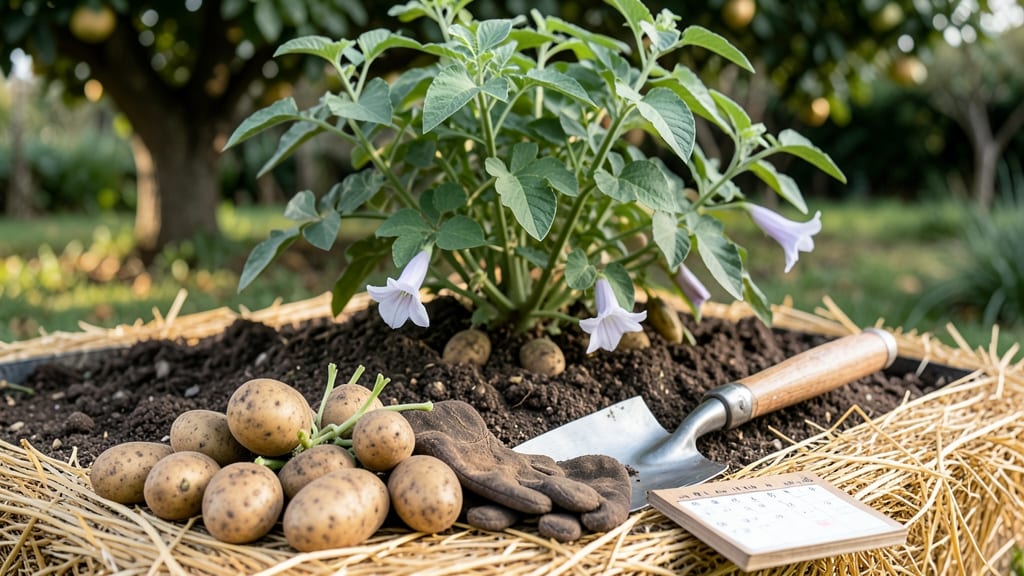
Timing when to plant potatoes in Pennsylvania can mean the difference between a thriving harvest and wasted effort—especially when frost lingers or summer blight strikes unexpectedly.
The key isn’t just waiting for spring; it’s tracking soil temperatures between 45°F and 50°F, the sweet spot for fast germination that Pennsylvania gardeners swear by.
I’ve seen firsthand how a few degrees can shift your entire growing season. Too early, and your 🥔 sprouts will freeze; too late, and late blight might ruin your crop before harvest.
But with the right soil prep and planting tricks—like chitting potatoes indoors or using row covers—you can outsmart Pennsylvania’s unpredictable weather and get a head start on a bumper yield.
What if I told you that the best planting window in PA isn’t just about dates but about soil science?
We’ll break down exactly when to plant based on your microclimate—whether you’re in Pittsburgh’s cooler zones or Philadelphia’s warmer pockets—and how to test your soil like a pro for foolproof results.
Ready to ditch guesswork and grow potatoes faster than ever? Let’s dive into the fastest, most reliable methods for Pennsylvania’s climate, so you can enjoy homegrown spuds without the stress.
Ideal Pennsylvania potato planting dates based on soil temperature
In Pennsylvania, where USDA zones 5-7 create diverse microclimates, planting potatoes at the right time means the difference between a bountiful harvest and wasted effort. The key is waiting until the soil temperature consistently reaches 45°F-50°F—this triggers fast germination and prevents frost damage to tender sprouts.
While most gardeners aim for late April to early May, rural areas like Erie (zone 6) can plant 2-3 weeks earlier than Philadelphia (zone 7b). Urban heat islands in cities like Pittsburgh may warm up faster, giving you a 10-day head start compared to cooler valleys.
Here’s how to test your soil temperature for perfect timing: Use a soil thermometer buried 4-6 inches deep (where potatoes will root). Check daily in the morning—consistent 50°F+ means it’s time to plant. If temps fluctuate below 40°F, wait another week.
| Region | USDA Zone | Ideal Planting Window | Soil Temp Trigger |
|---|---|---|---|
| Western PA (Erie, Pittsburgh) | 5b-6a | Mid-April to late April | 45°F+ (earlier than east) |
| Central PA (Harrisburg, State College) | 6a-6b | Late April to early May | 50°F+ (standard timing) |
| Eastern PA (Philadelphia, Allentown) | 7a-7b | Early to mid-May | 50°F+ (delayed by urban cool) |
| Southern PA (Lancaster, Reading) | 6b-7a | Late April to early May | 48°F+ (mild microclimate) |
⚠️ Pro Tip: Use black plastic mulch to warm soil 2-3°F faster in cooler zones!
For early harvests, some gardeners in zones 6-7 experiment with fall planting (late August) using early-maturing varieties. However, this requires row covers to protect from early frosts. Always verify your last frost date using Penn State Extension’s frost calculator—it accounts for PA’s unpredictable spring weather.
If you’re in zone 5, consider chitting potatoes (pre-sprouting in light) 4-6 weeks before planting. This gives you a 2-week advantage over non-chitted tubers. Place seed potatoes in a cool, bright spot (60°F) and watch for 1-inch sprouts before planting.
Remember: Soil temperature matters more than calendar dates. A 50°F soil in early April beats a 45°F soil in late May—always test, don’t guess! Use a soil thermometer for 3 consecutive mornings to confirm readiness.
For container growing, aim for May 15th or later—pots warm up slower than in-ground soil. Mix compost into your potting mix to help retain heat and moisture, which is critical for container potatoes.
Local Pennsylvania Extension offices recommend adjusting planting dates by 1 week per 500 feet in elevation. Mountainous areas like Poconos (zone 5) may need to wait until mid-May, while valley regions can start as early as late March under row covers.
Once planted, maintain consistent moisture—potatoes need 1-2 inches of water weekly. Use drip irrigation to avoid wetting foliage, which reduces blight risk, a major concern in PA’s humid summers.
Ideal Pennsylvania potato planting dates based on soil temperature
Potatoes thrive when planted in warm soil, not just warm air. In Pennsylvania, where USDA zones 5–7 dominate, soil temperatures must reach 45°F–50°F for consistent germination.
This typically aligns with late April to early May in most regions, but microclimates vary—urban Philadelphia may be 2 weeks earlier than rural Erie County.
To pinpoint your exact window, use a soil thermometer ($10 at garden centers) buried 4 inches deep. Test daily until the needle hovers above 45°F for 3 consecutive days. This method beats guessing by 2–3 weeks compared to calendar dates alone.
Here’s how Pennsylvania’s three key regions compare for potato planting:
| Region | Soil Temp Trigger | Typical Planting Window | Local Tip |
|---|---|---|---|
| Southeast PA (Philadelphia) | 45°F (late April) | April 15–May 1 | Urban heat islands warm soil faster. |
| Central PA (Harrisburg) | 48°F (early May) | May 1–15 | Wait for nighttime temps above 50°F. |
| Northwest PA (Erie) | 50°F (mid-May) | May 15–30 | Lake-effect delays germination by 1–2 weeks. |
Pro tip: Chit your seed potatoes (sprout indoors for 2–3 weeks) to shave off 7–10 days from your planting timeline. Place them near a sunny window or under grow lights—the sprouts will be ready when soil warms.
For fall planting (a lesser-known trick in PA), aim for late July to early August when soil cools to 60°F–65°F. This method avoids blight but requires early-maturing varieties like Red Norland to harvest before frost.
Always pair planting with loose, compost-rich soil—potatoes hate compacted earth. Mix in aged manure or compost 2 weeks before planting to boost early growth. Mulch heavily with straw after sprouts emerge to lock in soil warmth.