
Plants
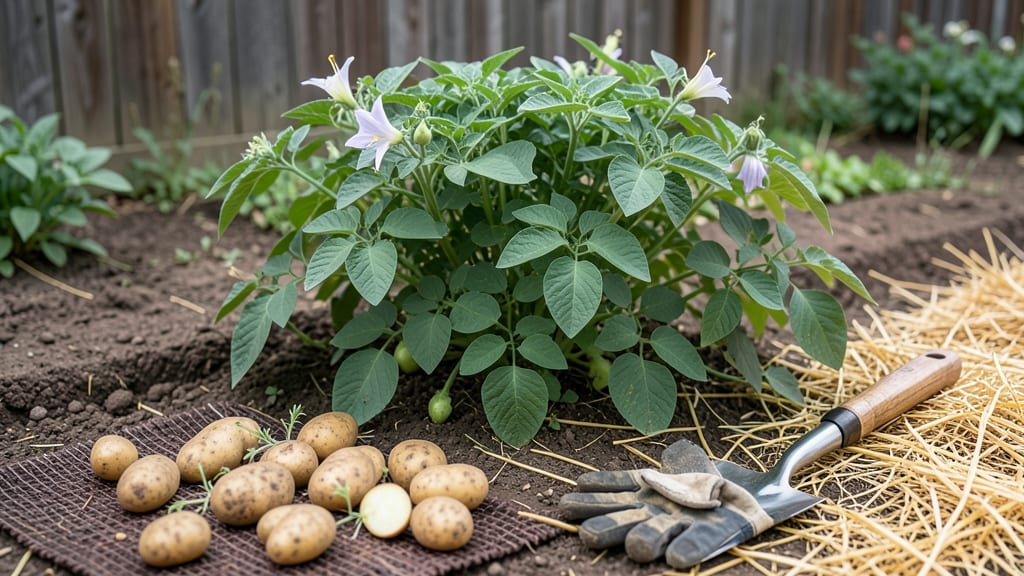
Timing your 🥔 potatoes just right in Zone 4 is the secret to a bumper harvest—plant too early, and frost will ruin your crop; too late, and you’ll miss the short growing season.
The key is knowing exactly when the soil warms enough to support those cold-hardy tubers without risking a late freeze.
Most gardeners in Zone 4 can start planting as soon as the soil reaches 40-50°F, often in early spring—sometimes even late winter with frost protection. But with average last frost dates around mid-May, you’ve got a narrow window to get it right.
The good news? Early varieties can mature in as little as 70 days, giving you time to harvest before summer heat sets in.
Whether you’re a beginner or a seasoned grower, this guide breaks down the best planting times, frost-tolerant varieties, and pro tips to maximize your yield. You’ll learn how to read your soil, choose the right potatoes for your climate, and avoid common mistakes that waste seeds and effort.
Ready to turn your Zone 4 garden into a potato powerhouse? Let’s dive into the exact steps to plant for success—no more guesswork, just delicious harvests.
Best planting times for potatoes in Zone 4 (with frost tolerance guide)
In Zone 4, where frost can linger until mid-May, timing your potato planting is everything. The key is to plant as soon as the soil reaches 40-50°F—typically 2-4 weeks before your last frost date.
This early window lets tubers establish before summer heat arrives. For me, that means late March to early April in my garden, but your exact date depends on local microclimates.
Zone 4’s short growing season (about 120 frost-free days) demands careful planning. Planting too early risks frost damage to emerging sprouts, while waiting too long cuts harvest time short.
The solution? Choose cold-hardy varieties and use protective measures like row covers or black plastic mulch to warm the soil faster.
Here’s the golden rule: Soil temperature matters more than air temperature. Use a soil thermometer to confirm readiness—45°F is ideal for planting. If your ground feels cold or is still soggy, wait. Cold soil slows germination, leaving your potatoes vulnerable to late frosts.
| Stage | Action | Zone 4 Timeline |
|---|---|---|
| Prep Soil | Test pH (5.0-6.5), add compost | Late February - Early March |
| Cut Seed Potatoes | Slice into 1.5" chunks with 2+ eyes | Early March |
| Plant Early Varieties | 4" deep, 12" apart in cool soil | Late March - Early April |
| Hill Soil | Add 3" soil when plants reach 6" | Mid-April - May |
| Harvest New Potatoes | Dig when foliage yellows (70-90 days) | Late June - Early July |
| Harvest Main Crop | Wait until foliage dies back (100-120 days) | Late August - September |
For successive planting, try a second batch in late April to early May using faster-maturing varieties. This stretches your harvest window and maximizes yield. Just be prepared to protect young plants with frost blankets if temperatures dip below 28°F.
One common mistake? Planting when the air temperature feels warm but the soil is still cold. I’ve learned the hard way—wait for both. Use a soil thermometer to avoid this pitfall.
Another tip: Chit your seed potatoes (expose to light for 2-3 weeks before planting) to jumpstart sprouting in cool soil.
If your last frost date is later than average (like in low-lying areas), consider using black plastic mulch to warm the soil by 5-10°F. This lets you plant 2 weeks earlier without frost risk. Just remove the mulch once soil temperatures stabilize above 50°F to prevent overheating.
Remember: Zone 4’s short season rewards patience. By planting early, choosing the right varieties, and protecting your crop, you can enjoy homegrown potatoes from June through September. That’s a full 3-month harvest window—worth the effort! 🥔
Best planting times for potatoes in Zone 4 (with frost tolerance guide)
In Zone 4, where frost can linger until mid-May, timing is everything for potatoes. The key is planting when soil temperatures reach 40-50°F, even if frost is still possible.
This gives your tubers a head start before summer heat arrives. I’ve learned that early spring (March-April) is ideal for most varieties, but late-winter planting with protection works too.
Your last frost date is your best guide. Aim to plant 2-4 weeks before the average last frost, giving plants time to establish roots. For example, if your last frost is May 15, plant by April 20 for a mid-summer harvest. This window balances frost risk with warm soil needs.
🥔 Zone 4 Potato Planting Timeline
| Stage | Action | Notes |
|---|---|---|
| Late Winter | Chit seed potatoes indoors | Expose to light for 2-3 weeks |
| Early Spring | Plant outdoors (March-April) | Soil temp: 40-50°F |
| Mid-Spring | Hill soil around stems | Every 2-3 weeks |
| Summer | Harvest new potatoes | 60-90 days after planting |
| Late Summer | Full harvest before frost | When foliage yellows |
For early varieties, you can even plant in February under row covers or in a cold frame. This tricks the soil into warming faster, letting you harvest new potatoes by June.
Just monitor soil temps—if it’s below 40°F, wait a week or two. Cold soil slows germination and attracts pests like wireworms.
Don’t overlook late spring planting either. If you miss the early window, plant again in May using fast-maturing varieties (like ‘Red Norland’) for a late-summer harvest.
Just be prepared to harvest before frost hits in mid-September. I’ve had success with this method in cooler microclimates near lakes or shaded areas.
One common mistake is planting too early when soil is still frozen or soggy. This leads to rotten tubers or stunted growth. Always check soil moisture—it should crumble easily when squeezed, not stick to your gloved hand.
A soil thermometer (under $10) is worth the investment for Zone 4 gardeners.
Pro tip: Use black plastic mulch to warm soil faster in early spring. Lay it down 1-2 weeks before planting to raise soil temps by 5-10°F. This lets you plant 2-3 weeks earlier without risking frost damage. Just remove it after planting to avoid overheating.