
Plants
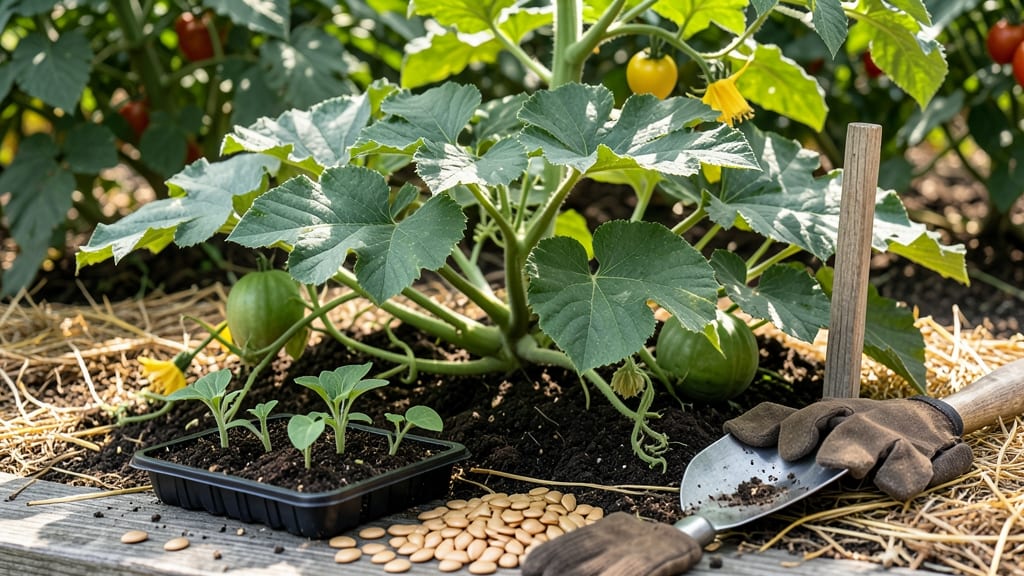
When to plant pumpkin seeds in Illinois could mean the difference between a thriving harvest of 🎃 and a disappointing flop. Unlike other plants, pumpkins demand warm soil and a long, frost-free growing season—so planting too early or late can leave your vines struggling against cold snaps or heatwaves.
In Zone 5b-6b, where Illinois falls, the ideal window opens after your last frost—typically mid-April—but soil temperature is the real game-changer. Seeds need 70°F soil to sprout, which usually means waiting until late May or early June.
That’s why I’ll break down the exact frost-free timeline, including how to adjust for Illinois’ unpredictable springs.
You’ll also discover which pumpkin varieties thrive here—from fast-growing bush types perfect for small spaces to classic vining varieties that need room to roam. Plus, I’ll share pro tips to extend your harvest season, even when frost looms in October.
Whether you’re a first-time gardener or a seasoned grower, getting these details right will set you up for a bountiful pumpkin patch. Let’s dive into the timing, soil prep, and variety secrets that work in Illinois’ climate.
Illinois Zone 5 frost-free timeline for pumpkin seed planting (with exact dates)
Pumpkins need warm soil and long frost-free days to thrive, making timing critical in Illinois’ Zone 5b-6b. The average last frost date ranges from mid-April (northern IL) to early May (southern IL), but soil must reach 70°F before planting.
Wait for consistent daytime temps above 75°F—this usually happens by late May to early June.
Most pumpkin varieties need 90-120 days to mature, so aim to plant seeds 4-6 weeks after your last frost date. For northern Illinois, this means early June is ideal. Southern Illinois gardeners can start as early as mid-May, but always check your local Almanac frost predictions for precision.
If you’re unsure about your exact last frost date, use a soil thermometer—pumpkin seeds won’t germinate well below 60°F. In cooler springs, consider black plastic mulch to warm the soil faster. This trick can shave 1-2 weeks off your planting timeline.
| Stage | Action | Illinois Timeline |
|---|---|---|
| Soil Warm-Up | Wait for soil to reach 70°F+ | Late April - Early May |
| Planting Window | Direct sow seeds 1" deep | Early June (N. IL) / Mid-May (S. IL) |
| Germination | Sprouts in 5-10 days | Mid-June |
| Flowering | Hand-pollinate if needed | Late July |
| Harvest Ready | Rind hard, stem brown | Mid-Sept - Early Oct |
For extended-season varieties like 'Mammoth Melon' (120 days), plant seeds by mid-May in southern Illinois or late May in the north. These giants need every warm day possible, so prioritize south-facing garden beds with no shade.
In contrast, fast-maturing varieties like 'Jack Be Little' (75 days) can be planted as late as early July for a fall harvest.
If you’re using row covers or greenhouses, you can push planting dates 2 weeks earlier. These tools create a microclimate that mimics summer conditions, helping seeds germinate faster. Just remove covers once vines emerge to prevent overheating.
Watch for unpredictable late frosts—even in June! Use frost cloth on young seedlings if nighttime temps dip below 50°F. This is especially critical for delicate early leaves, which can be killed by even light frost.
A 5-gallon bucket of water near plants can also release heat overnight to protect them.
Don’t forget: First frost in Illinois typically hits mid-October, but pumpkins need full maturity before then. If your variety is running late, harvest smaller pumpkins early—they’ll ripen off the vine with proper curing (place in sunny, dry spot for 10 days).
Pro tip: Mark your calendar for July 4th weekend—this is when most Illinois gardeners start seeing pumpkin flowers! Use this as your final check to ensure you’ve planted early enough for a harvest before frost.
Illinois Zone 5 frost-free timeline for pumpkin seed planting (with exact dates)
Pumpkins thrive in Illinois’ warm summers, but planting them too early or late can spell disaster. The critical window for planting pumpkin seeds is after your last frost date, typically mid-April to early May in most of the state.
However, soil temperature matters more than calendar dates—wait until the ground reaches 70°F at least 1 inch deep.
In Zone 5b-6b, Illinois’ average last frost date ranges from April 15 (southern IL) to May 10 (northern IL). But don’t rush! Pumpkin seeds need warm soil to germinate, and cold soil can cause rot.
Use a soil thermometer to confirm readiness—60°F is the minimum, but 70°F+ is ideal.
Here’s your frost-free planting timeline for Illinois pumpkins, including key milestones to track:
If you’re in northern Illinois (Zone 5b), aim for late May planting to avoid early frosts. For southern Illinois (Zone 6b), you can start as early as mid-April, but watch for late spring frosts, which are common in May.
Use row covers if frost threatens after planting.
For extended-season varieties (like ‘Long Island Cheese’), plant a second batch in mid-June for a fall harvest. These varieties take 100-120 days to mature, so timing is key to beat first frost (mid-October). Always check your local frost dates using the Almanac’s Frost Calculator for precise planning.
Pro tip: Start seeds indoors 2-3 weeks before your last frost date if you’re eager to get a jumpstart. Use biodegradable pots and transplant seedlings after soil warms to 60°F. Just be sure to harden them off for 5-7 days before moving outdoors.