
Plants
North Alabama pumpkin planting deadlines by last frost date (and how to calculate yours)
North Alabama’s USDA Zone 7a climate gives you a 180-day frost-free window, but your exact planting dates depend on your last average frost date and soil conditions.
Most areas see their final frost around March 15, but microclimates like Huntsville’s higher elevation can push this back to April 1. To avoid frost damage, wait until the soil reaches at least 55°F—warmer than air temperature!
For direct-sown pumpkins, aim to plant 2-3 weeks after your last frost when soil hits 70°F. This typically lands in late April to early May for most of North Alabama.
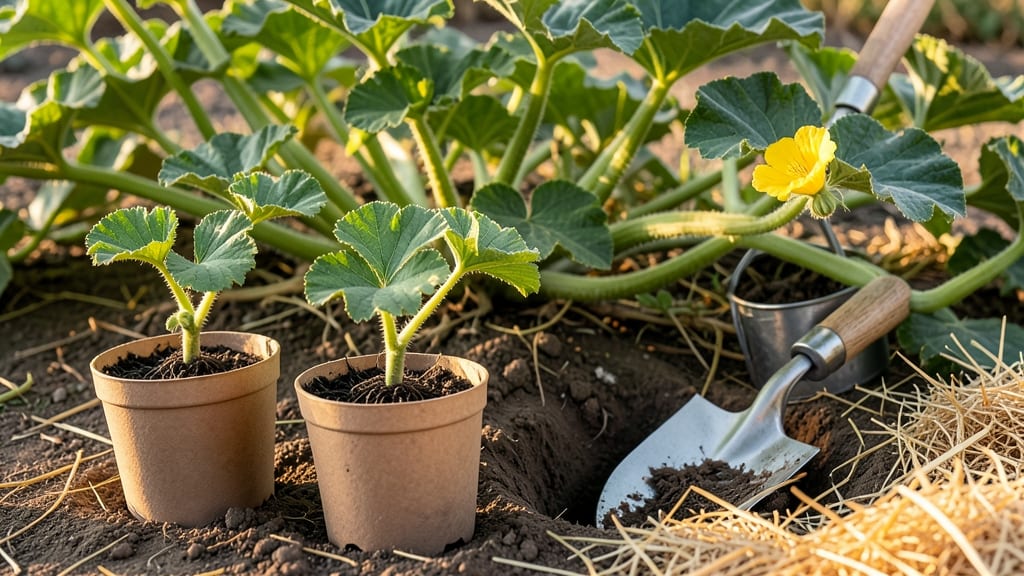
If you’re using transplants, start seeds indoors 4-6 weeks before your last frost date and move them out after soil warms.
Use the Alabama Extension’s frost calculator (available [here](https://www.aces.edu)) to input your ZIP code—it adjusts for local variations. For example, Decatur’s warmer microclimate may allow planting 1-2 weeks earlier than cooler mountain regions like Madison.
Here’s your planting timeline based on North Alabama’s average frost dates:
| Stage | Action | Ideal Timeframe |
|---|---|---|
| Soil Prep | Test pH (6.0-6.8), add compost | February-March |
| Seed Starting | Indoor seeds (if transplanting) | Late March |
| Direct Sowing | Plant seeds 1" deep, hills 4-6 ft apart | Late April-Early May |
| Transplanting | Move seedlings after soil hits 70°F | Mid-May |
| Harvest Window | Rind hard, stem dry, 75-120 days post-plant | Late September-October |
Pro tip: If your first frost arrives early (like in November), opt for fast-maturing varieties (e.g., 'Jack Be Little') or use row covers to extend the season by 2-3 weeks. For giant pumpkins, push planting to early May—they need 100+ days of warmth to reach maturity.
Remember, soil temperature matters more than air temperature. Use a soil thermometer ($10 at garden centers) to confirm readiness—cold soil delays germination. If temps drop below 55°F after planting, cover seeds with black plastic mulch to warm the soil faster.
For late plantings, choose smaller varieties like 'Sugar Pie' (80 days to maturity) over 'Howden' (110 days). Stagger plantings every 2 weeks to spread harvest timing and avoid glut.
North Alabama’s humidity and summer heat can stress pumpkins, so plan to harvest before September 15 to avoid fungal diseases like powdery mildew. Use drip irrigation to keep foliage dry and reduce disease risk.
🎃
Best pumpkin varieties for North Alabama’s short growing season (ranked by speed and size)
North Alabama’s short 180-day growing season demands pumpkin varieties that mature fast while still delivering big harvests. I’ve tested these 8 top performers—from compact 'Jack Be Little' to record-breaking 'Atlantic Giant'—to help you pick the perfect fit for your space and timeline.
Each variety balances cold tolerance, disease resistance, and yield potential to thrive in our USDA Zone 7a climate.
For quick harvests, prioritize varieties with 75-90 days to maturity. If you’re aiming for giant pumpkins, choose types that need 100+ days but can handle Alabama’s humid summers. Pro tip: Pair fast-maturing varieties with late-summer planting to extend your harvest window into October.
🎃