
Plants
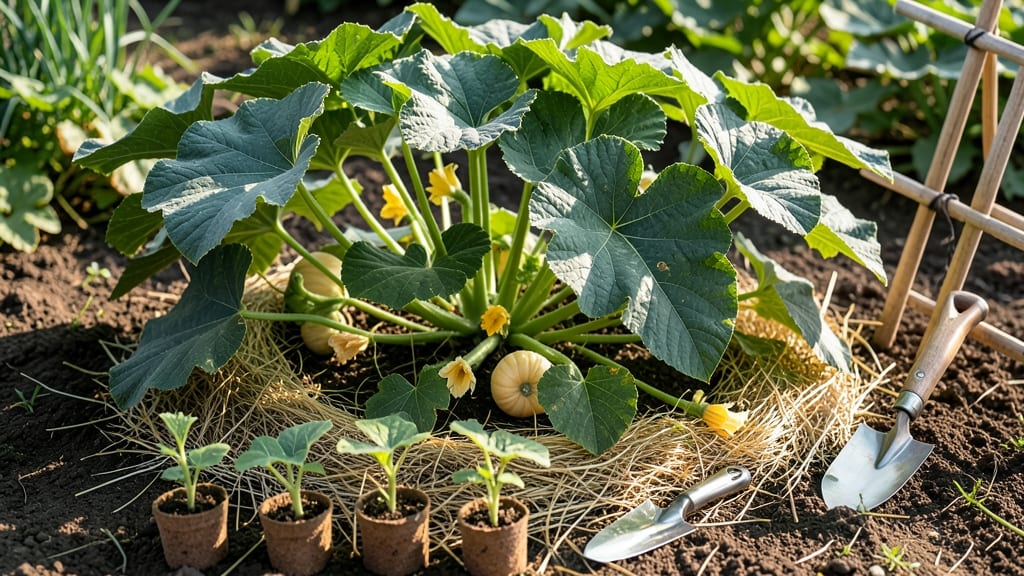
If you’ve ever tried growing pumpkins in Zone 9’s scorching heat, you know timing is everything—plant too soon, and your seeds bolt before they sprout; wait too long, and your vines wilt before the fruit can ripen.
The key to a bountiful harvest lies in understanding the exact window when to plant pumpkins in Zone 9, along with the best heat-resistant varieties to thrive in your climate.
Zone 9’s unique challenges—like 90°F+ soil temperatures and long, dry summers—mean traditional planting advice won’t cut it.
Whether you’re a first-time gardener or a seasoned pro, knowing when to start seeds indoors (or directly in the ground) can mean the difference between a few sad pumpkins and a vine-heavy harvest.
I’ll break down the ideal months, soil prep secrets, and even how to adjust for desert microclimates where the heat feels even more intense.
You’ll also discover the top 5 heat-tolerant pumpkin varieties that actually flourish in Zone 9, from compact bush types to sprawling vines that handle the heat like champions.
Plus, I’ll share my go-to tricks for beating common pitfalls—like overwatering in the heat or dealing with pest pressure—so your pumpkins grow strong and your garden stays stress-free.
Ready to turn your Zone 9 garden into a pumpkin patch? Let’s dive into the perfect planting schedule, step-by-step care, and the varieties that’ll make your neighbors jealous—no matter how hot it gets outside.
Best time to plant pumpkins in Zone 9 (exact months & temperature guide)
Zone 9’s hot, dry climate makes timing critical for pumpkin success. Plant too early, and seeds rot in cold soil; too late, and vines struggle to mature before fall.
The ideal window is late February to early April, when soil temps hit 60°F+ consistently. For a second harvest, try August planting for fall pumpkins.
Soil temperature is your #1 guide. Use a soil thermometer—pumpkin seeds need 60°F+ to germinate. In desert areas, black plastic mulch can raise soil temps by 10°F+, letting you plant 2-3 weeks earlier.
Avoid planting until all frost risk is gone (Zone 9’s last frost is rare but possible in high deserts by January 15).
Here’s your Zone 9 pumpkin planting calendar, including heat thresholds and adjustments for early/late starts:
| Planting Window | Soil Temp (°F) | Heat Adjustments | Notes |
|---|---|---|---|
| Late February | 58-60°F | Use black plastic mulch | Risk of slow germination |
| March (Ideal) | 60-65°F | Standard planting | Best for large varieties |
| April (Last Chance) | 65-70°F | Choose fast-maturing varieties | Harvest by October |
| August (Fall Harvest) | 60-65°F | Use shade cloth if >90°F | Small varieties only |
For desert Zone 9b (e.g., Phoenix, Las Vegas), push planting to mid-March to avoid 100°F+ soil, which can scorch seeds. In coastal areas (e.g., San Diego), February planting works if nights stay mild (50°F+). Always test soil moisture—pumpkins need 1-2 inches of water weekly during germination.
Pro tip: Soak seeds overnight before planting to jumpstart germination in hot, dry soil. Plant 1 inch deep, spacing seeds 2-3 feet apart (vines spread 10-20 feet).
Thin to 3-4 plants per hill once seedlings are 3 inches tall to reduce competition. Use drip irrigation to keep leaves dry and prevent fungal diseases like powdery mildew.
If you miss the spring window, don’t despair—August planting can yield small pumpkins for fall harvests. Choose 75-day varieties like ‘Jack Be Little’ and use shade cloth (30-50%) to protect seedlings from intense afternoon sun.
Water deeply every 2-3 days until established, then taper to weekly deep waterings.
Watch for heat stress signs: wilting leaves, yellowing vines, or blossoms dropping without fruit. If temps hit 95°F+, provide afternoon shade or mulch heavily with straw or wood chips to retain moisture. Avoid fertilizing during heatwaves—pumpkins prioritize root growth over fruit when stressed.
Remember: Zone 9’s long growing season (up to 300 frost-free days) lets you experiment! Try successive plantings every 2 weeks in spring for a staggered harvest. Just ensure each batch gets 90+ days of warm weather to mature.
🎃
Best time to plant pumpkins in Zone 9 (exact months & temperature guide)
Zone 9’s hot climate demands precise timing for pumpkin planting—aim for March to April when soil temperatures hit 60°F+. This window ensures seeds germinate before summer’s 100°F+ heat arrives. Late starts risk poor fruit development, while early planting may trigger bolting (premature flowering).
For a second harvest, plant August to September using fast-maturing varieties (75–90 days). These late-season pumpkins benefit from cooler fall temperatures and avoid extreme heat stress. Always check your last frost date—Zone 9 rarely sees frost, but microclimates vary.
Soil temperature is critical: seeds won’t germinate below 60°F. Use a soil thermometer to confirm readiness. In desert areas, black plastic mulch warms soil faster, accelerating germination. Amend soil with compost to retain moisture during dry spells.
🌱 Zone 9 Pumpkin Planting Summary
| Stage | Action | Notes |
|---|---|---|
| Soil Prep | Test soil temp (60°F+) | Use mulch in desert areas |
| Planting Window | March–April (primary) | 8–10 weeks before first frost |
| Secondary Window | August–September | Choose fast-maturing varieties |
| Germination | 5–10 days at 60°F+ | Keep soil moist until sprouts appear |
| Heat Tolerance | 90°F+ stress | Provide afternoon shade if >95°F |
Adjust your planting schedule based on microclimates. Coastal Zone 9 areas stay cooler longer, while inland deserts heat up faster. If your soil stays below 60°F into April, consider starter plants instead of seeds. Transplants skip the germination delay and establish faster in warm soil.
For container growing, plant in May once soil warms. Containers heat up quicker, so monitor moisture closely. Use 5-gallon pots minimum for dwarf varieties like ‘Jack Be Little’—standard vining types need 20+ gallons and space to sprawl.
Pro tip: Mark your calendar for July 4th as a cutoff for primary planting. After this, only heat-tolerant varieties (like ‘Cinderella’) will reliably mature before fall. Pair planting with bush beans or corn to improve pollination and soil health.