
Plants
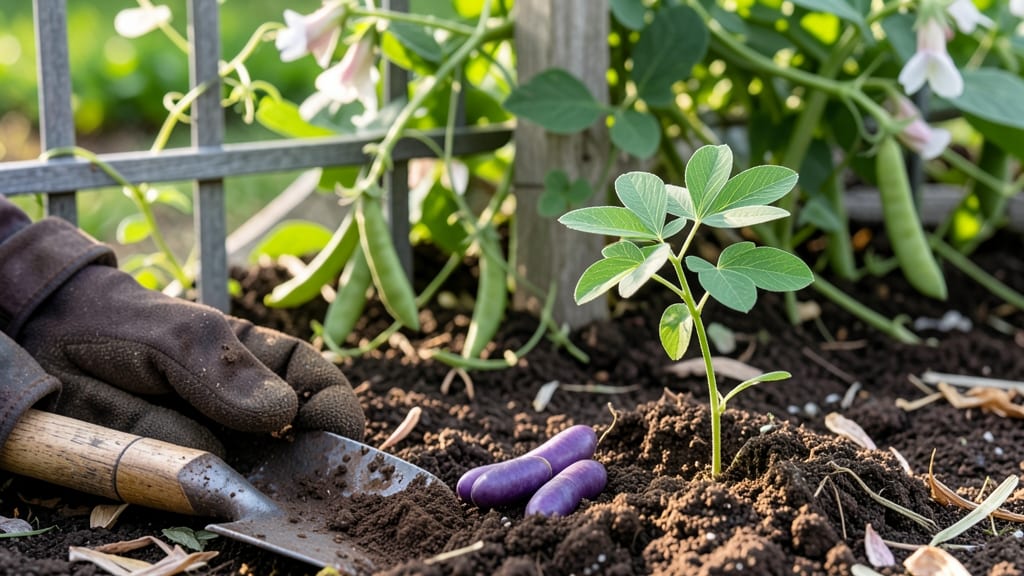
If you’ve ever struggled to grow peas in Alabama’s sweltering summers, when to plant purple hull peas in Alabama might just be your game-changer. Unlike their delicate cousins, these heat-loving legumes thrive when temperatures climb, rewarding patient gardeners with sweet, tender pods that other varieties can’t match.
The key to success? Planting at the right time—whether you’re aiming for a spring harvest or a fall bounty. Alabama’s USDA zones 7a-8b offer two prime windows: mid-February to early April (before the last frost) or late July to early August (for a fall crop).
But timing isn’t just about dates—it’s about soil warmth, humidity, and avoiding the brutal midday sun.
I’ll break down the exact schedule for your region, including soil prep tricks to jumpstart growth and how to stretch your harvest window.
Whether you’re a first-time gardener or a seasoned pro, these insights will help you beat the heat and enjoy a bountiful harvest—just in time for Alabama’s cooler months.
Ready to ditch the guesswork? Let’s dive into the science-backed planting calendar that’ll turn your garden into a purple hull pea powerhouse.
Optimal planting windows for purple hull peas in Alabama’s climate zones
Alabama’s diverse climate zones (USDA 7a–8b) create unique planting challenges for purple hull peas. Unlike cool-season legumes, these heat-loving peas thrive when soil temperatures hit 60°F or warmer, making timing everything.
In North Alabama, cooler springs delay planting until mid-April, while South Alabama gardeners can start as early as late February in sheltered microclimates.
The key is planting after your last frost date—typically mid-March in North Alabama and mid-February in South Alabama—but waiting until soil warms. Cold soil (<50°F) slows germination, leading to patchy stands. For a fall harvest, aim for late July to early August plantings, giving pods time to mature before first frost (mid-November).
🌱 Alabama Planting Windows Comparison
| Zone/Region | Spring Planting Window | Fall Planting Window | Soil Temp Trigger | Key Risk |
|---|---|---|---|---|
| North AL (7a) | Mid-April to May 15 | Late July to Aug 1 | ≥60°F (use black plastic mulch) | Late frost damage |
| Central AL (7b) | Late March to April 15 | Late June to July 15 | ≥65°F (ideal germination) | Heat stress if planted too early |
| South AL (8a-8b) | Late February to March 30 | Early July to July 31 | ≥70°F (fastest growth) | Hurricane delays |
*Use a soil thermometer to verify temperatures before planting.
For direct sowing (recommended in Alabama), plant seeds 1 inch deep and 3–4 inches apart in rows spaced 18–24 inches apart. In North Alabama, use black plastic mulch to warm soil faster.
In South Alabama, provide afternoon shade during peak summer to prevent bolted growth. Transplanting seedlings works but requires hardening off for 7–10 days before setting outdoors.
Alabama’s humid summers demand succession planting every 2 weeks after your initial sowing to stretch harvests. For example, if you plant on April 15, follow with May 1 and May 15 batches.
This ensures continuous pods from June through October, avoiding the late-summer slump when other peas fail in the heat.
Pro tip: Trellis your vines early—purple hull peas climb 4–6 feet—to save space and improve air circulation, reducing fungal risks in Alabama’s damp climate. Use bamboo stakes or wire cages for support, and harvest pods every 2–3 days to encourage more production.
If you’re new to growing purple hull peas, start with 2–3 plants to test your zone’s conditions. These peas are drought-tolerant once established but need consistent moisture during flowering (May–June or September). Save seeds from your best plants—Alabama’s heat can improve flavor compared to Northern varieties!
Remember: Fall plantings (July–August) often yield sweeter pods because cooler nights slow sugar conversion. Just be ready to harvest by mid-October before first frost hits. With the right timing, you’ll enjoy homegrown peas until Thanksgiving!
Optimal planting windows for purple hull peas in Alabama’s climate zones
Alabama’s USDA zones 7a-8b create distinct planting windows for purple hull peas, with northern regions (like Huntsville) needing earlier starts than southern zones (like Mobile). The key is planting when soil temps hit 60°F—this triggers faster germination and avoids frost damage.
For most of Alabama, that means mid-February to early April for spring crops and late July to early August for fall harvests.
Southern Alabama gardeners can push spring planting 2-3 weeks earlier thanks to milder winters, while northern areas should wait until mid-March to avoid late frosts. The fall planting window is critical—seeds need 60-70 days to mature before Alabama’s mid-November frost. Planting too late risks stunted growth from cooling temps.
🌱 Alabama Purple Hull Pea Planting Comparison
| Region | Spring Planting Window | Fall Planting Window | Soil Temp Trigger | Key Risk |
|---|---|---|---|---|
| Northern AL (Zones 7a-7b) | Mid-March to early April | Late July to early August | 60°F+ (after last frost) | Late spring frosts |
| Central AL (Zones 7b-8a) | Late February to mid-March | Early July to mid-August | 58°F+ (soil probe test) | Summer heat stress |
| Southern AL (Zones 8a-8b) | Mid-February to early March | Mid-June to July | 55°F+ (earlier germination) | Hurricane season delays |
💡 Pro Tip: Use a soil thermometer—purple hull peas germinate best at 60-70°F. Cold soil (<55°F) causes poor emergence.
For direct sowing (most common in Alabama), scatter seeds 1 inch deep and 3 inches apart in rows 18 inches apart. Southern gardeners can also transplant seedlings (purchased or home-grown) for a 2-week head start—just harden them off first.
Avoid transplanting in peak summer heat (July-August), as shock reduces yields.
Alabama’s humid summers demand succession planting every 2 weeks from July to August to stretch your harvest. Space your plantings so pods mature at different times, preventing glut and waste. In drier years, prioritize fall plantings—they often outperform spring crops due to cooler temps and lower pest pressure.
Timing isn’t just about months—it’s about microclimates. A north-facing garden in Birmingham may need 1-2 weeks later than a south-facing bed. Monitor your local Alabama Cooperative Extension Service frost maps for real-time adjustments.
With the right schedule, you’ll enjoy sweet pods from May through October—long after other peas have bolted.
Remember: Purple hull peas are heat-loving legumes, but even they struggle when soil temps exceed 90°F. Use shade cloth for late July plantings in Zone 8b to protect young seedlings. The payoff? Tender, sweet pods when most gardeners are battling wilting greens.