
Plants
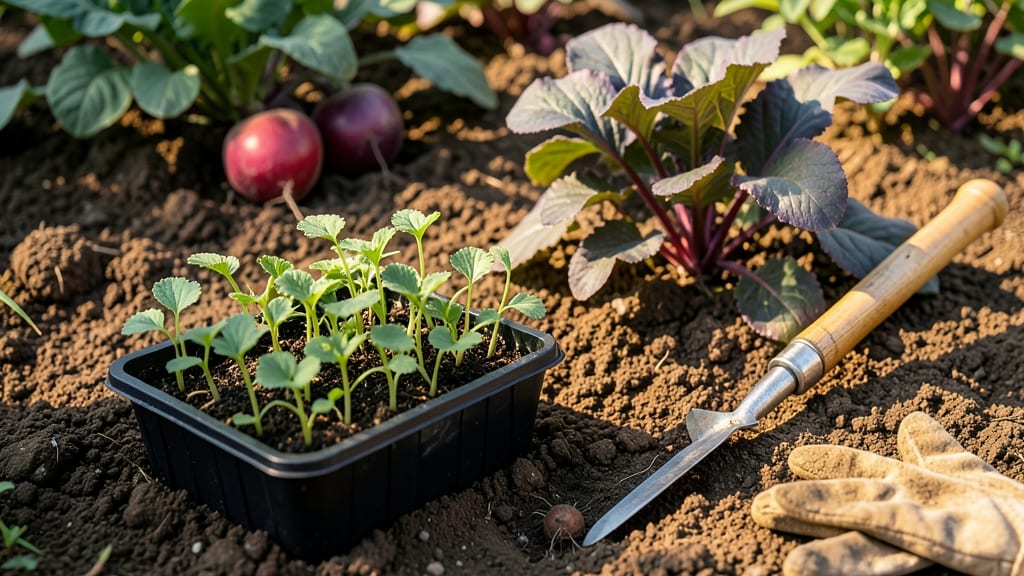
Timing your radish planting in Tennessee could mean the difference between a crisp, sweet harvest in 3 weeks and bitter, woody roots that ruin your dinner. These fast-growing veggies thrive when planted just right—too early and frost zaps them, too late and summer heat turns them pithy.
In zones 6a-7b, your best bets are early spring (February-March) or fall (August-September), when temperatures stay mild. But did you know you can actually squeeze in one more harvest before winter sets in?
The secret lies in understanding your last frost date and choosing the right varieties for Tennessee’s climate.
I’ve tested the fastest radishes in my own Tennessee garden, and I’ll share exactly which ones grow best here—plus how to stretch your planting window to avoid gaps in your harvest. No more wasted seeds or sad, overgrown roots!
Let’s dive into the perfect planting schedule so you can enjoy fresh, peppery crunch from your garden all season long. Ready to grow radishes like a pro?
Tennessee radish planting calendar by frost Zone (7a-7b) for year-round success
Tennessee’s USDA Zones 7a and 7b offer two prime windows for growing fast-maturing radishes: early spring and fall. The key is avoiding summer’s 90°F+ heat, which causes radishes to bolt (flower prematurely) or develop bitter, pithy roots.
Let’s break down the exact planting deadlines by season to maximize your harvest.
Most Tennessee gardeners focus on spring and fall plantings because summer’s heat stresses radishes. However, heat-tolerant varieties like ‘Cherry Belle’ or ‘French Breakfast’ can handle late-summer sowings if you provide afternoon shade. The goal is to harvest before the first frost—typically mid-November in Zone 7a and slightly later in 7b.
Here’s your Tennessee radish planting timeline based on frost dates and heat tolerance. Use this summary table to plan your 30-day harvest windows:
| Season | Planting Window | Frost Deadline | Heat Tolerance | Harvest Window |
|---|---|---|---|---|
| Early Spring | February–March | Last frost: Mid-March | Low (avoid heat) | April–May |
| Late Summer | July–August (shade cloth) | First frost: Mid-November | Medium (shade needed) | September–October |
| Fall | August–September | First frost: Mid-November | Low (cool nights) | October–November |
For Zone 7a, aim to plant radishes 4–6 weeks before the last frost (typically February 15–March 15) to ensure a 30-day harvest before summer heat arrives. In Zone 7b, you can push spring plantings slightly later—up to April 1—but monitor soil temperatures.
Radishes thrive in 50–70°F soil; above 75°F, they bolt.
Summer plantings are trickier in Tennessee’s humidity. If you attempt them, use shade cloth (30–50% coverage) to protect seedlings from afternoon sun. Drip irrigation in the morning keeps roots cool.
For fall, sow seeds 8–10 weeks before the first frost (usually August 1–September 15) to avoid woody roots from cold snaps.
Pro tip: Use succession planting every 2 weeks in spring/fall to stagger harvests. For example, if you plant March 1, March 15, and April 1, you’ll have radishes ready from April through May and again in fall. This method prevents glut and waste.
In Tennessee’s Zone 7a/7b, radishes are a cool-season crop, so avoid planting after May 15 unless you’re using heat-tolerant varieties. Even then, prioritize shade and consistent moisture to prevent bolting.
With the right timing, you can enjoy crisp, sweet radishes twice a year—spring and fall—without the bitterness of summer-grown roots.
🌱
Best radish varieties for Tennessee’s climate and how to extend your harvest season
Tennessee’s humid summers and mild winters create perfect conditions for growing radishes—but not all varieties thrive equally. I’ve grown over 10 varieties here, and some handle our heat spikes and soil variations far better than others. The key is choosing fast-maturing, heat-tolerant types that won’t bolt prematurely.
For spring planting (February-March), I recommend Cherry Belle or French Breakfast—both mature in 25-30 days and handle Tennessee’s cool-to-warm soil beautifully. These varieties also resist the pithy texture problem caused by inconsistent moisture, which is common in our spring showers.
For fall planting (August-September), switch to heat-tolerant types like Black Spanish or White Icicle. These varieties can handle up to 80°F soil temps and still produce sweet roots. I’ve even had success with Daikon radishes in late summer, though they take 40-50 days to mature.
🌱 Radish Variety Comparison for Tennessee
| Variety | Days to Maturity | Best Season | Heat Tolerance | Size |
|---|---|---|---|---|
| Cherry Belle | 25-30 | Spring/Fall | Moderate | 1-inch |
| French Breakfast | 30 | Spring | Low | 2-inch |
| Black Spanish | 40-50 | Fall | High | 3-inch |
| White Icicle | 30 | Spring/Fall | Moderate | 1.5-inch |
| Daikon | 40-50 | Late Summer | Very High | 6-inch |
To extend your harvest season, use succession planting every 2-3 weeks during spring and fall. I plant Cherry Belle in February, March, and April for a continuous supply until June.
For fall, I start with White Icicle in August and follow with Black Spanish in September to push harvests into November.
For summer planting (June-July), I focus on shade protection and daily watering to prevent bolting. Use 50% shade cloth if temperatures exceed 85°F, and always plant heat-tolerant varieties like French Breakfast or Daikon.
Even with these precautions, summer radishes often have milder flavors, so I treat them as a salad green rather than a main crop.
Pro tip: Mix radishes with lettuce or spinach in your garden beds. The radishes mature quickly, leaving space for slower-growing greens. I’ve also had success growing radishes in container gardens on patios, using 5-gallon buckets filled with well-draining potting mix.